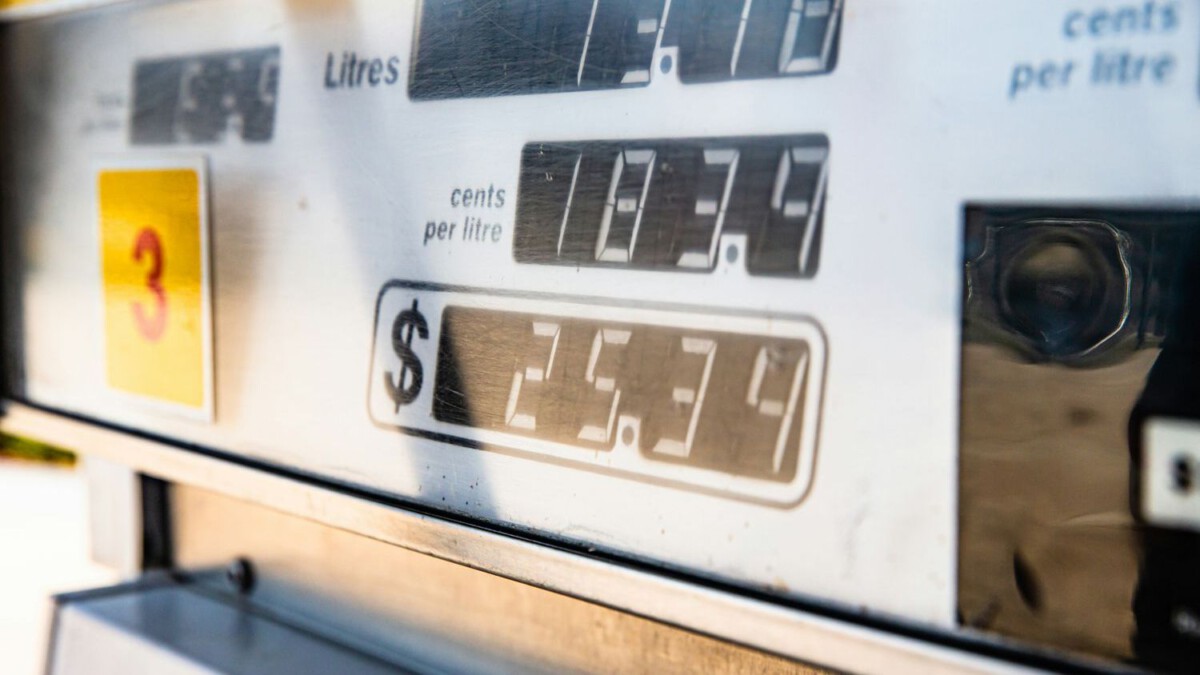
Gas prices top $4.50 a gallon, reaching highest level since July 2022 – Image for illustrative purposes only (Image credits: Unsplash)
Drivers nationwide faced a familiar sting at the pump recently as average gas prices topped $4.50 per gallon, the highest mark since July 2022.[1][2] This escalation stems from disruptions tied to the Iran war, pushing costs 52% above pre-conflict levels. Households now shoulder an extra $1.56 per gallon compared to before the fighting erupted.
Tracking the Surge to New Heights
The national average for regular gasoline spiked sharply in recent weeks. Reports indicated prices reaching $4.581 per gallon for the week ending May 4.[1] Other tallies showed $4.48 on May 6, following a 31-cent weekly climb.[3] This marked the first breach of $4 per gallon since early 2023, when global energy shocks from prior conflicts lingered.
Prices had hovered lower earlier in the year, around $3 per gallon in some metrics before accelerating. The rapid ascent reflected broader crude oil volatility, with weekly gains outpacing seasonal norms. Motorists in many regions reported filling up costing dozens more per tank than just months prior.
Historical context underscores the severity. Levels last hit these heights during summer 2022, amid supply strains from Russia’s invasion of Ukraine. Current figures signal a return to that strained era, though domestic production has grown in the interim.
Roots in the Iran War Disruption
The conflict with Iran, which began in late February 2026, triggered immediate shocks to global energy markets. U.S. and allied strikes disrupted key oil export routes and facilities, curbing supply flows.[4] Gasoline costs rose roughly 50% from pre-war baselines, equating to nearly $1.50 more per gallon in many cases.[5]
By early April, averages crossed $4 nationwide for the first time in over three years.[6] Refinery outages compounded the issue, amplifying pump price jumps. Analysts noted over 40% increases since the war’s outset, with crude benchmarks surging in tandem.[7] The 52% hike and $1.56 premium align closely with these patterns, as data captured the full brunt on consumers.
This war-driven volatility extended beyond gasoline. Diesel and jet fuel prices followed suit, pressuring logistics and travel sectors. Peace talks offered fleeting hopes, but ongoing tensions sustained the upward pressure through May.
Everyday Impacts on Households and Businesses
American families felt the pinch acutely. A standard 15-gallon tank now demanded over $67 at $4.50 per gallon, versus roughly $53 pre-surge. Commuters driving 30 miles daily absorbed hundreds in added annual costs.
Stakeholders spanned urban workers to rural truckers. Small businesses reliant on delivery fleets trimmed margins amid diesel hikes. Inflation metrics incorporated these rises, complicating household budgets already stretched by prior economic shifts.
Road trips grew costlier, prompting some to rethink summer plans. Low-income drivers, who allocate higher shares of income to fuel, bore disproportionate loads. The war’s economic ripples thus manifested directly at fueling stations.
State-by-State Snapshot
Prices varied widely, reflecting taxes, refining access, and demand. California stations surpassed $5 per gallon in spots, while Texas held nearer $3.98.[8][9]
- National average: $4.48 (recent peak)
- Texas: $3.98
- California: Above $5
- Alabama: Over $4
- Minnesota: $3.57
These disparities highlighted regional vulnerabilities. Coastal states grappled with import dependencies, while heartland areas benefited from proximity to production hubs.
Key Developments:
Looking Ahead: Paths to Potential Relief
Forecasts hinged on diplomatic progress. Ceasefire announcements briefly tempered rises, but rebounds followed stalled negotiations.[11] Experts projected peaks above $4.60 if disruptions persisted into summer.
Domestic output expansions and strategic reserves offered buffers. Yet sustained conflict risked embedding higher costs into inflation trajectories. Consumers watched Middle East headlines closely, as any de-escalation could signal easing at the pump.
The trajectory remained uncertain, but history suggested volatility favored quick resolutions. For now, the $4.50 threshold served as a stark reminder of geopolitical ties to everyday expenses. Drivers pondered adjustments while hoping for steadier days ahead.