
Chronic Stress Shrinks Key Brain Areas
Chronic stress keeps cortisol pumping through your system for way too long. This floods the brain and starts damaging areas like the hippocampus, which handles memory and learning. Recent studies confirm that prolonged high cortisol leads to noticeable shrinkage in the hippocampus, sometimes by several percent over months or years. People under constant stress often struggle with foggy thinking, poor recall, and mood swings because of this. Immune function takes a hit too, leaving you more prone to illnesses. Sleep quality drops, creating a vicious cycle that worsens everything. Emotional regulation falters, making small frustrations feel overwhelming. Over time, this setup primes the brain for anxiety and burnout.
Your brain gets stuck in fight-or-flight mode under chronic stress. The prefrontal cortex, responsible for calm decision-making, loses ground to more reactive regions. Research from 2025 highlights how this imbalance fuels depressive symptoms in stressed individuals. Daily pressures compound, turning temporary tension into structural changes. Neurons in stress-hit areas stop communicating as effectively. This explains why stressed folks report higher rates of emotional exhaustion. Breaking free requires targeted interventions that counteract these effects. Micro-joys offer a practical way to start reversing the damage.
Micro-Joys Spark Neural Recovery

Micro-joys are those fleeting positive moments, like a warm cup of coffee or a funny text. They seem trivial, but neuroscience shows they trigger real changes in brain activity. Brief experiences of pleasure release chemicals that counter stress hormones right away. A 2025 UCSF study found that just five minutes daily savoring small joys measurably lifted mood and cut stress. These moments build momentum, encouraging the brain to seek more positivity. Over weeks, they help restore balance in overworked neural circuits. People practicing them report better focus and less irritability. The key lies in their frequency, not intensity.
Unlike big vacations, micro-joys fit anywhere in your day without effort. Laughing at a meme or petting a dog activates reward centers instantly. This counters the chronic stress that suppresses positive pathways. Studies link these tiny uplifts to stronger emotional regulation over time. Your brain begins favoring calm responses instead of knee-jerk anxiety. Participants in recent trials saw health improvements, including better sleep from consistent practice. Burnout risk drops as resilience grows. Consistency turns these sparks into a steady glow.
Neuroplasticity Makes Rewiring Possible
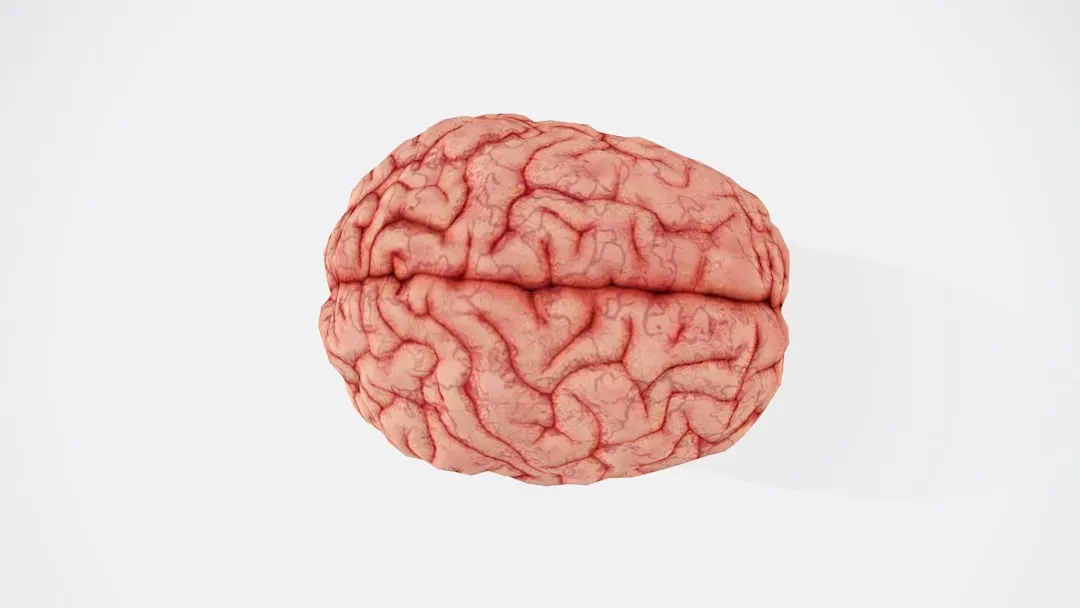
Neuroplasticity means your brain can reorganize itself at any age. Chronic stress weakens connections, but positive inputs rebuild them. Small joys promote new neural pathways tied to resilience. Research demonstrates that repeated positive emotions strengthen these circuits gradually. The hippocampus, shrunken by stress, starts regenerating with consistent uplift. This process reverses some damage, improving memory and mood. Experts note it takes weeks of daily practice for noticeable shifts. Your emotional habits literally reshape brain structure.
Think of it like gym training for your mind. Each micro-joy reps a set, building mental muscle. Studies from 2024 onward confirm brief positives enhance plasticity more than sporadic big wins. Stressed brains adapt by forming joy-linked shortcuts. This reduces reactivity to triggers over time. Long-term scanners show denser connections in regulation areas. Motivation surges as dopamine pathways revive. Anyone can harness this, no matter the stress history.
Dopamine Fuels the Joy Loop
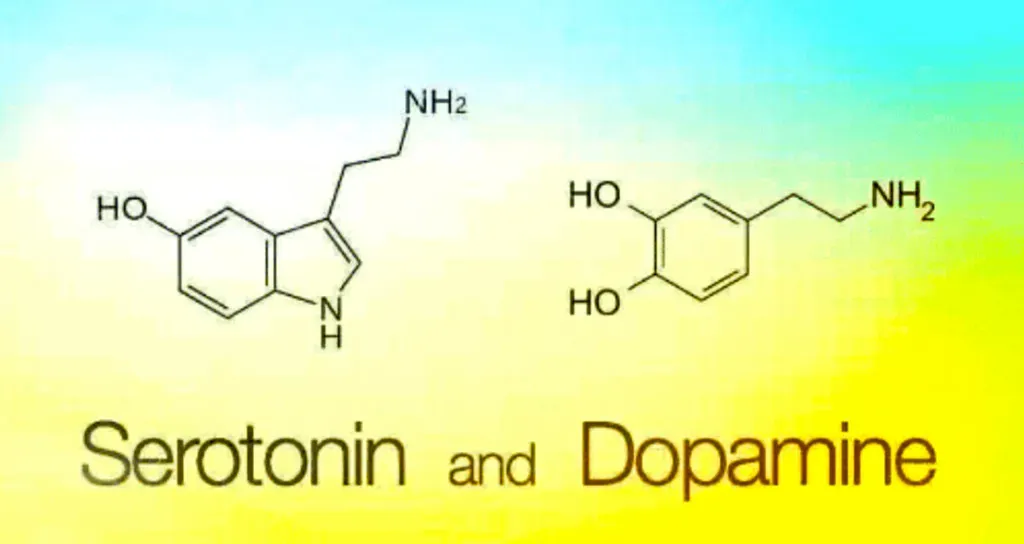
Dopamine, the reward chemical, surges during micro-joys. A quick walk in sunlight or favorite song hits the spot perfectly. This reinforces pleasure-seeking behaviors naturally. Chronic stress dims dopamine response, but small delights reignite it. Neuroscience links these releases to rewired motivation circuits. People notice cravings shift from doom-scrolling to uplifting habits. Heart rate drops, signaling body-wide relief. Daily accumulation compounds into lasting drive.
Small pleasures create a positive feedback loop. Dopamine not only feels good but tags experiences for easy recall. Over time, stress-biased pathways fade as joy ones dominate. Recent affective studies show even 30-second savoring boosts this effect. Burnout-prone folks regain energy through these hits. Social chats or tasty bites keep the flow going effortlessly. Brain scans reveal thicker reward tracts after months. This chemistry turns survival mode into thriving.
Activating the Rest-and-Digest Mode

Micro-joys flip the switch to parasympathetic nervous system dominance. This rest-and-digest state counters chronic sympathetic overdrive. Sunlight exposure or a hug lowers heart rate within minutes. Studies confirm positive moments enhance vagal tone, promoting relaxation. Stress hormones plummet, easing physical tension. Immune recovery speeds up too. Folks report deeper breaths and calmer minds after regular practice. The body finally gets a break it craves.
Social connections amplify this activation beautifully. A shared laugh or kind word buffers daily grind. Research ties these to reduced inflammation markers. Brief nature views work similarly, steadying autonomic balance. Chronic stress survivors see sleep improve markedly. Emotional floods subside as the system recalibrates. Consistency builds a resilient baseline. These shifts prevent exhaustion from snowballing.
Gratitude Rewires for Resilience

Gratitude practice counts as a prime micro-joy. Jotting three good things daily slashes stress hormones significantly. A 2025 review found up to 23 percent cortisol drops from routine use. Mood lifts immediately, with lasting anxiety relief. Brain areas for positivity thicken over time. People feel more equipped for challenges. Sleep quality rises, breaking fatigue cycles. This simple habit yields big neural payoffs.
Even under extreme pressure, gratitude outperforms venting. Studies show 10 percent happiness boosts from one session. Depressive symptoms cut by over a third in trials. Prefrontal control strengthens, taming reactivity. Stressed groups practicing it built faster recovery. Emotional clarity sharpens too. Long-term, it fosters optimism networks. Start small, and watch resilience unfold.
From Burnout to Bounce-Back

Daily small pleasures slash burnout odds dramatically. Research links them to higher emotional resilience scores. Stressed workers incorporating micro-joys report 20-30 percent less exhaustion. Neural pathways for recovery fortify steadily. Positive emotions buffer against overload effectively. Teams with joy breaks show better output and mood. Chronic patterns break as habits stick. Wellbeing metrics climb across the board.
Resilience grows through accumulated micro-wins. UCSF’s Big Joy Project proved a week’s acts cut stress deeply. Health perks like stronger immunity follow. Brains adapt, prioritizing calm over chaos. Burnout survivors regain purpose quickly. Social bonds deepen too. This approach scales for anyone overwhelmed. Sustainable change feels achievable.
Everyday Micro-Joys to Try Now

Stretch with morning light for an instant reset. Savor your first sip of tea mindfully each day. Text a friend something silly mid-afternoon. Play upbeat music during chores for flow. Pet an animal or hug a loved one deliberately. Notice colors on your commute vividly. These take seconds but stack powerfully. Track mood shifts to stay motivated.
Deepen with gratitude lists before bed. Dance alone to a favorite track weekly. Share laughs over memes in groups. Walk barefoot on grass when possible. Breathe in fresh scents intentionally. Recent trials confirm these build joyspan reliably. Stress fades as positives dominate. Your brain thanks you with clarity and calm.