

The Frequency of Phone Checks

People reach for their phones far more often than they might expect during an ordinary day. The average person checks their phone between ninety and one hundred fifty times daily depending on age group and overall screen habits. This number builds up gradually from the moment someone wakes up until they finally set the device aside at night. Many individuals notice the pattern only when they try to count the instances themselves. The habit feels automatic because phones sit within easy reach in pockets or on desks. Over weeks and months the total adds up to thousands of quick glances that interrupt other activities. Such repetition turns the action into something that happens without much thought or planning.
Daily routines now include these checks as a normal part of moving through tasks at work or during downtime at home. Younger users tend to hit the higher end of that range while older adults sometimes stay closer to the lower numbers. The checks happen in short bursts that rarely last more than a few seconds each time. This frequency leaves little room for long stretches of focused attention on anything else. People often combine the action with walking or waiting in line without realizing how much it fragments their attention. The pattern persists because it requires almost no effort to pull the phone out and look at the screen. Over time the behavior becomes so embedded that breaking it feels surprisingly difficult.
The Brain’s Reward System in Action

Notifications from social media apps trigger a specific response in the brain that keeps users coming back for more. Studies have shown that these alerts activate the brain’s dopamine reward system in ways similar to the mechanisms involved in gambling behavior. The quick hit of anticipation builds each time a new sound or vibration appears on the screen. Users learn to associate the notification with the possibility of something positive waiting for them. This connection forms quickly and strengthens with repeated exposure over days and weeks. The brain begins to treat the phone as a reliable source of small rewards that arrive at unpredictable moments. Such activation explains why the urge to check feels so compelling even when nothing urgent is happening.
The process repeats throughout the day as new messages or updates arrive at irregular intervals. Dopamine release creates a sense of mild excitement that fades once the screen is viewed. Users then wait for the next alert to restore that feeling. The cycle continues because the brain remembers the previous rewards and seeks them again. Over time this pattern makes it harder to ignore the device even during focused work or conversations. The similarity to gambling lies in the uncertainty of when the next positive outcome will appear. People find themselves checking more often simply to chase that brief sense of satisfaction.
Daily Hours Devoted to Screens

Smartphone use now occupies a substantial portion of waking hours for most adults and teens. Research found that people spend an average of over four hours daily on mobile devices with social media apps accounting for a major portion of that time. This total includes scrolling through feeds reading comments and watching short videos that appear one after another. The hours add up because each session often lasts longer than intended once the user starts. Many people open an app for a quick look and end up staying engaged for twenty or thirty minutes without noticing. The time spent feels productive in the moment because it provides constant new content to view. Yet the cumulative effect leaves less room for other activities that once filled those same hours.
Evenings and weekends see the highest concentration of this usage as people relax after work or school. The four hour average masks individual differences where some users reach six or seven hours on particularly busy days. Social media platforms encourage longer sessions through endless scrolling features that load new material automatically. Users rarely set out to spend that much time but the design keeps them engaged. Breaks between tasks at work or school often turn into longer phone sessions than planned. The pattern becomes noticeable only when someone tracks their screen time at the end of the week. Such extended use reinforces the habit of turning to the phone whenever a spare moment appears.
Gen Z and Phone Separation Anxiety

Younger users experience noticeable discomfort when they cannot access their phones for any length of time. A 2024 survey revealed that more than sixty percent of Gen Z users feel anxious when separated from their phones for extended periods. This feeling arises quickly during situations like flights or meetings where devices must stay off. The anxiety often centers on missing out on messages or updates from friends and followers. Many in this age group have grown up with constant connectivity as a normal part of life. The absence of the phone creates a sense of disconnection that feels unfamiliar and unsettling. Such reactions highlight how deeply the device has become tied to daily social interactions.
The anxiety tends to build gradually as the time without the phone increases from minutes to hours. Users report checking their pockets repeatedly even when they know the device is not there. This response appears more strongly among those who rely on social media for a large share of their social connections. The feeling eases almost immediately once the phone is back in hand and notifications appear. Over time the pattern trains the mind to expect constant access as a baseline state. Parents and educators sometimes notice the tension in teens during family trips or school events without phones. The survey numbers suggest this experience is widespread rather than limited to a small group.
Connections to Anxiety and Self Esteem
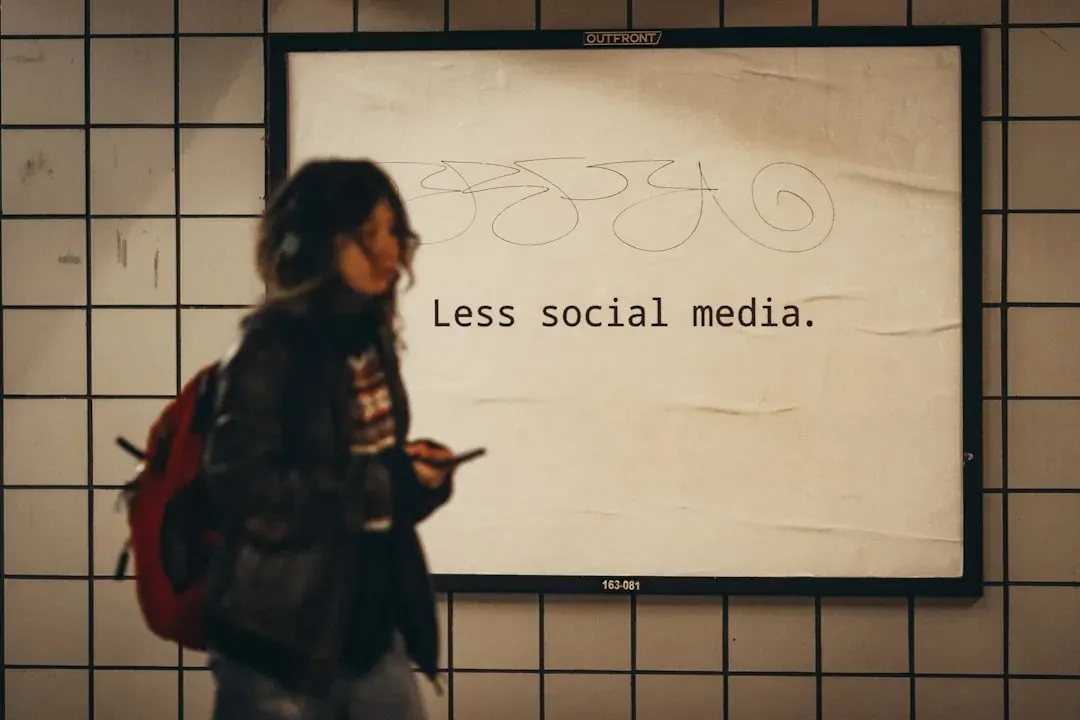
Research from recent years suggests that excessive social media validation seeking is linked to higher rates of anxiety low self esteem and sleep disruption among teenagers and young adults. The constant pursuit of likes and comments ties personal worth to online responses that fluctuate daily. Users compare their own posts to those of others and feel pressure to maintain a certain level of engagement. This comparison often happens late at night when scrolling replaces rest. Sleep suffers because the mind stays active thinking about potential reactions to recent activity. Anxiety builds when expected validation does not arrive or when numbers fall short of previous days. The pattern affects self esteem because approval feels tied to the quantity of interactions rather than the quality of real life experiences.
Teenagers in particular report feeling worse about themselves after extended sessions focused on others’ highlight reels. The link appears across multiple studies that track both usage patterns and reported mood changes. Sleep disruption compounds the issue because tired minds handle stress less effectively the next day. Users sometimes recognize the connection yet continue the behavior because stopping feels even more uncomfortable. The effects accumulate over months of regular use rather than appearing after a single session. Friends and family may notice changes in mood that coincide with increased phone time. Addressing the pattern often requires setting boundaries that feel challenging at first but gradually improve overall well being.
Frequent Unconscious Unlocks

Smartphone users unlock their devices an average of around eighty times daily often without a conscious reason for doing so. The action happens in brief moments between other tasks or during periods of boredom. Many people reach for the phone and open the screen before they have decided what they want to see. This pattern occurs even when no notification has sounded and nothing new is expected. The unlock serves as a default response to any pause in activity. Over the course of a day these instances add up to significant time spent simply navigating back to the home screen. The behavior feels automatic because it requires little thought or decision making.
The eighty unlocks often happen in clusters during commutes or while watching television. Users may not remember the exact moments later when asked about their day. The pattern persists because the phone offers immediate visual stimulation that fills small gaps in attention. Some unlocks lead to longer sessions while others end after a quick glance at the time or weather. The unconscious nature makes the total surprising when people review their usage data at the end of the week. This frequency reinforces the overall habit of turning to the device throughout daily life. Reducing the number requires noticing the impulse before the thumb reaches the screen.
Platform Strategies and User Retention
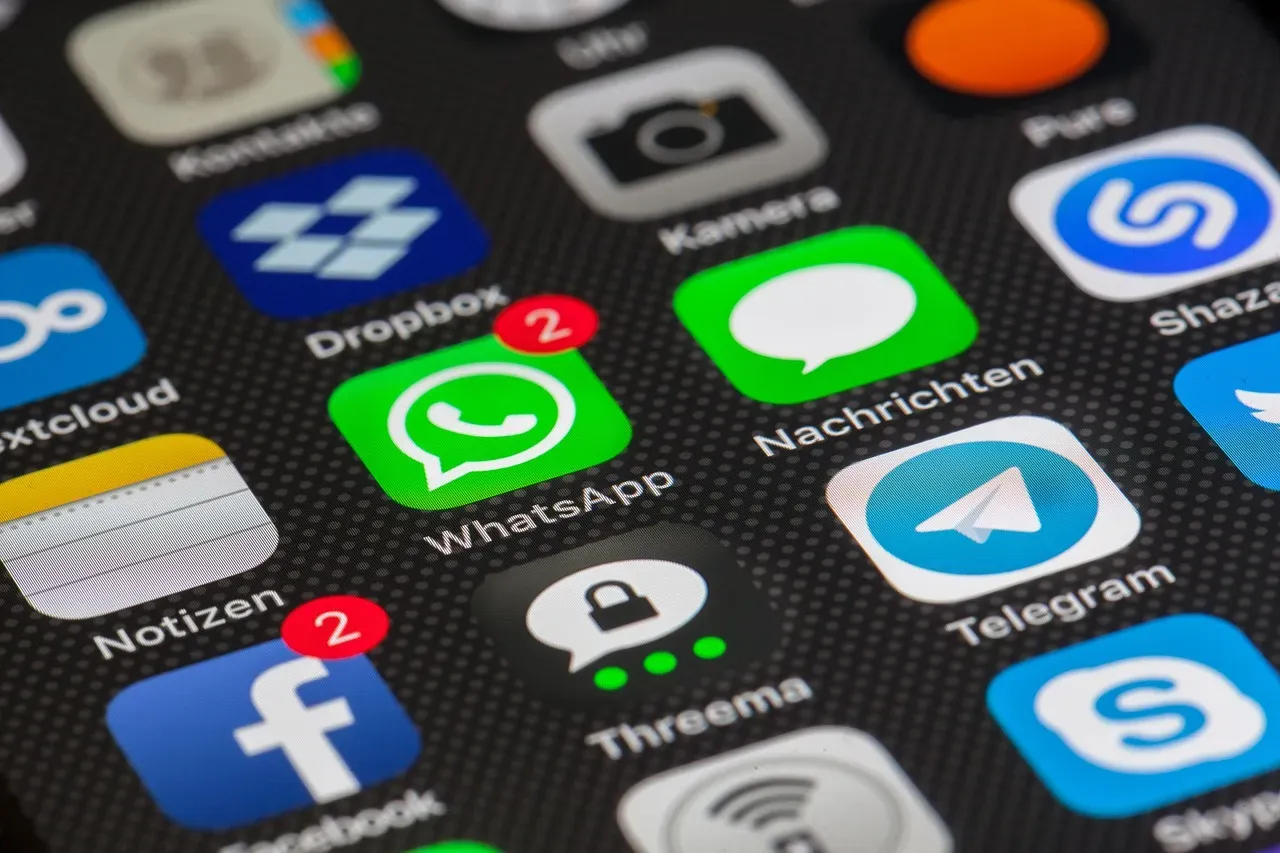
Platforms like TikTok Instagram and Snapchat use algorithm driven engagement systems designed to maximize user retention and repeat interaction. These systems analyze past behavior to show content that keeps people scrolling longer. The goal is to create sessions that extend naturally from one minute to the next. Users encounter material tailored to hold attention even when they intended only a short visit. The algorithms adjust in real time based on what receives the most taps and views. This approach ensures that each return to the app feels fresh and relevant. Over time the design encourages more frequent visits because the experience improves with continued use.
The retention focus appears in features that load new videos or posts automatically without user input. Users stay engaged because the next piece of content always seems worth seeing. The strategy works across different age groups but shows particular strength among younger audiences who spend more time on these apps. Companies refine the algorithms regularly to respond to changing user patterns. The result is an environment where leaving the app feels less appealing than staying a little longer. This design contributes to the overall validation loop by keeping users in a space where approval metrics remain visible and accessible. Awareness of these mechanics helps some people set limits on their sessions.