

Home prices have stabilized in many parts of the country, yet certain states continue to see steady outflows of residents who own homes. Rising ownership costs, combined with shifting migration patterns, are prompting some owners to list their properties now rather than wait.
Data from recent years shows clear patterns in where these moves originate. Homeowners appear focused on locking in gains before potential further shifts in taxes, insurance, or market conditions take hold.
Soaring Property Taxes Driving Sales in California

California homeowners face some of the highest property tax burdens in the nation, even with Proposition 13 protections for long-term owners. Newer buyers or those who have seen assessments rise often find annual bills climbing into the thousands. Many cite these ongoing expenses as a key reason for selling and relocating to lower-tax states.
Recent migration figures confirm California continues to lose residents to other parts of the country. Owners who sell now can often capture strong equity built during earlier price surges. This timing allows them to avoid further tax increases tied to local government needs.
Wildfire Risks and Insurance Woes in California

Wildfire threats have pushed insurance premiums sharply higher across much of California in recent years. Some carriers have pulled back from high-risk zones entirely, leaving homeowners with limited or expensive options. Savvy owners in these areas are choosing to sell before coverage becomes unavailable or unaffordable.
Market reports from 2025 highlight how these risks affect resale values in certain neighborhoods. Sellers who act before 2027 can often find buyers willing to assume the challenges or invest in mitigation. This approach helps preserve equity that might otherwise erode.
High Income Taxes Prompting Moves from New York

New York maintains one of the highest state income tax rates, which adds significant annual costs for many homeowners. Combined with local taxes in areas like New York City, the total burden often exceeds what residents pay elsewhere. Owners planning retirement or career changes frequently sell to reduce this ongoing expense.
Net domestic migration data shows consistent outflows from the state through 2025. Those who list properties now benefit from strong demand in certain segments of the market. The proceeds support purchases in states with more favorable tax structures.
Cost of Living Pressures in New York

Beyond taxes, everyday expenses in New York remain elevated compared with national averages. Homeowners note that maintenance, utilities, and general living costs compound the financial strain. Selling before 2027 allows many to relocate to areas where their equity stretches further.
Recent housing analyses point to slower sales velocity in some New York markets as inventory rises. Owners who time their listings carefully still achieve solid returns. This strategy supports a smoother transition to lower-cost regions.
Property Tax Hikes in New Jersey

New Jersey homeowners deal with some of the highest average property tax rates nationwide. Annual bills often represent a large share of household budgets, especially for those on fixed incomes. Many are selling now to escape projected increases tied to local budgets.
Migration statistics rank New Jersey among the top states for outbound moves in recent periods. Sellers capitalize on equity from homes purchased years earlier. The move frees up resources for more affordable ownership elsewhere.
Housing Affordability Challenges in New Jersey

High home values in New Jersey have not kept pace with wage growth for many residents. Owners find that carrying costs, including taxes and insurance, consume a growing portion of income. Listing before 2027 positions them to downsize or relocate while values remain relatively firm.
Industry reports note rising inventory in parts of the state as more owners decide to sell. This trend creates opportunities for buyers from higher-cost areas but encourages current owners to act. The result is a measured exit rather than a rushed one.
Severe Property Tax Rates in Illinois

Illinois property taxes rank among the highest in the country, with many counties seeing steady increases. Homeowners in suburban and urban areas alike report bills that have grown faster than home values in some cases. Selling now helps avoid further escalation before 2027.
Population data reveals ongoing net losses from the state driven partly by these costs. Owners who sell can redirect equity toward homes in lower-tax states. This move often improves long-term financial flexibility.
Economic Factors in Illinois

Beyond taxes, broader economic conditions in Illinois influence homeowner decisions. Job market shifts and pension concerns add uncertainty for some owners. Those who list properties ahead of potential changes secure their positions while demand holds.
Recent sales trends show steady activity in key Illinois markets despite national slowdowns. Sellers benefit from equity accumulated over the past decade. The timing supports relocation to states with stronger growth prospects.
Insurance Premium Surges in Florida
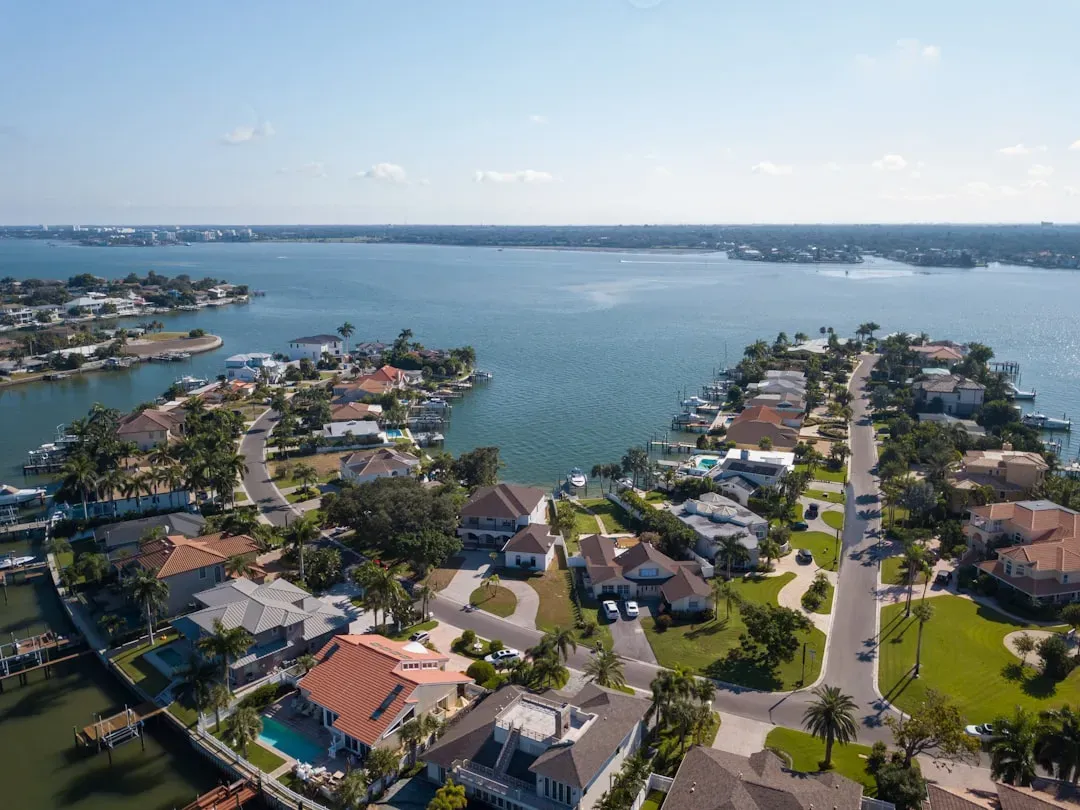
Florida homeowners have seen insurance costs rise dramatically due to hurricane risks and reinsurance rates. Premiums in coastal and inland areas alike have increased by double digits in recent years. Many owners choose to sell before these expenses become unsustainable.
Market corrections in 2025 affected several Florida metros, with some price declines reported. Sellers who act now can still realize gains from prior appreciation. This approach helps them transition before further adjustments occur.
Market Corrections and Climate Concerns in Florida

Climate-related risks continue to influence buyer interest in parts of Florida. Combined with increased supply from new construction, some markets show softer conditions. Homeowners selling before 2027 avoid potential further softening in values.
Data from 2025 indicates net migration gains have slowed compared with pandemic peaks. Owners who list strategically capture remaining demand. The proceeds often fund moves to regions with lower overall ownership risks.
Across these states, the common thread remains a desire to manage rising costs while equity remains accessible. Homeowners who plan ahead position themselves for smoother transitions in the years ahead.