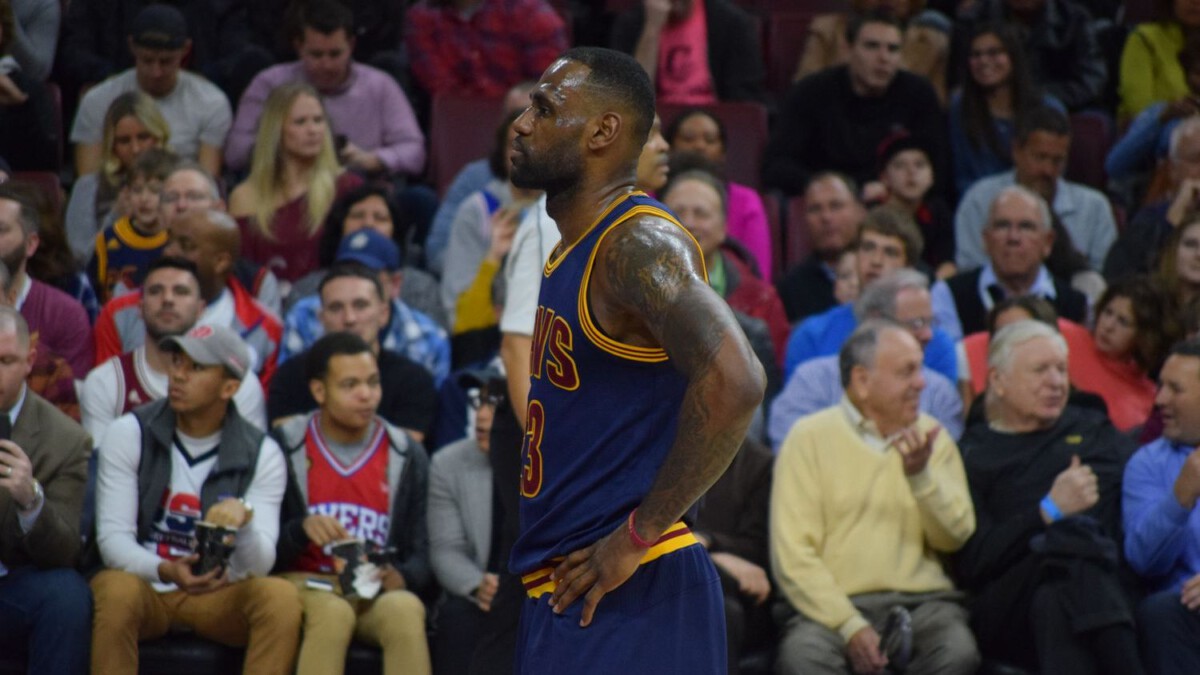
Eddie Murphy, Sean Penn, and Leonardo DiCaprio attend Thunder vs. Lakers Game 4 in what could be LeBron James last game – Image for illustrative purposes only (Image credits: upload.wikimedia.org)
Los Angeles – The Western Conference Semifinals delivered more than on-court intensity when Eddie Murphy, Sean Penn, Leonardo DiCaprio, and Miles Teller took seats at Crypto.com Arena for Game 4 between the Oklahoma City Thunder and the Los Angeles Lakers. Their appearance added a layer of Hollywood glamour to a contest already charged with the possibility that it could mark LeBron James’ final NBA game. The gathering reflected how playoff basketball continues to draw figures from entertainment circles when the stakes rise.
High-Profile Faces in the Stands
The group of attendees stood out even in a venue accustomed to celebrity visitors. Eddie Murphy brought his signature presence, while Sean Penn and Leonardo DiCaprio represented long-standing connections to Los Angeles sports culture. Miles Teller rounded out the visible contingent, creating a noticeable cluster of recognizable names along the courtside sections. Such sightings often signal the broader appeal of postseason matchups that blend athletic competition with cultural cachet. The Thunder and Lakers have long attracted attention beyond basketball fans, yet this particular game amplified that draw through the mix of established stars on hand.
Context of a Pivotal Matchup
Game 4 carried immediate weight in the series between the Thunder and the Lakers. Both teams entered with strong regular-season records, setting up a clash that tested depth and resilience under playoff pressure. The home crowd at Crypto.com Arena responded to every possession with heightened energy, aware that the outcome could shift momentum heading into later rounds. The possibility of this serving as LeBron James’ last appearance added an undercurrent of reflection for many observers. Decades of dominance have made his every playoff step a point of discussion, and the presence of outside figures only heightened that narrative without altering the competitive focus on the floor.
Why the Spotlight Matters
Moments like these illustrate the intersection of professional sports and public interest. When recognizable names from film and television appear, they reinforce how NBA games function as shared cultural events rather than isolated athletic contests. The Thunder-Lakers series already promised strong competition, yet the added visibility from these attendees extended its reach to audiences who follow entertainment news as closely as box scores. The evening ultimately belonged to the players executing under bright lights, yet the surrounding atmosphere captured a wider fascination with the league’s biggest stages. As the series continues, such gatherings serve as reminders that playoff basketball retains its capacity to pull in diverse crowds when history hangs in the balance.