Trump Says the White House ‘Was a Sh*t House’ With Columns ‘Falling Down’ When He Moved Back In – Image for illustrative purposes only (Image credits: Unsplash)
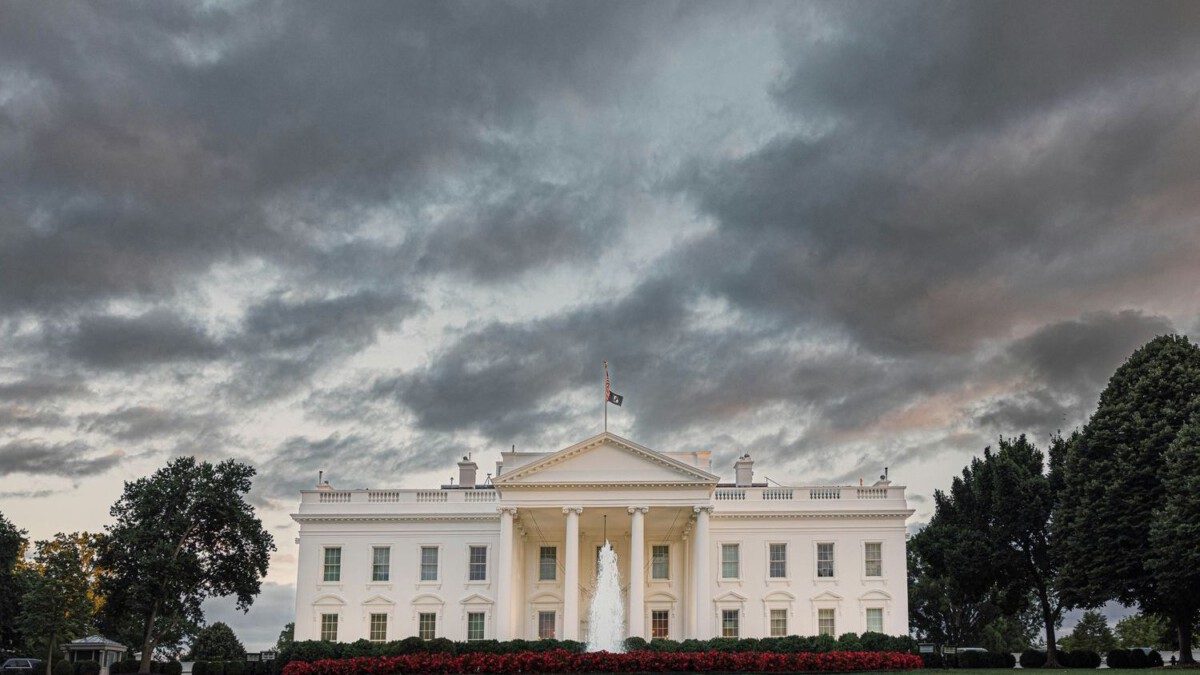
When President Donald Trump moved back into the White House at the start of his second term, he encountered a residence that had not received consistent upkeep in recent years. The building at 1600 Pennsylvania Avenue showed signs of wear that affected both its appearance and daily operations for the first family. This situation prompted a series of personal interventions to address the issues before full occupancy resumed.
Initial Assessment of the Residence
Trump described the overall state of the property as one that had fallen into disrepair over time. He noted that structural elements like columns required attention and that plaster surfaces had begun to deteriorate in places. Paint throughout the interior also showed visible signs of aging that needed correction to restore a proper standard for the executive mansion.
These observations came during a public event where the president spoke directly about the work required to bring the building back to an acceptable level. The comments reflected a focus on practical maintenance rather than any broader political discussion. Staff and contractors moved quickly to handle the most pressing repairs once the new administration took over.
Personal Investments in Restoration
Trump stated that he covered the cost of new stonework and other materials out of his own resources to accelerate the improvements. This approach allowed for faster progress on visible areas that had suffered from lack of regular care. The goal remained to ensure the residence met the expectations of a national landmark that hosts both official functions and private living quarters.
Additional updates included enhancements to specific rooms, such as the addition of marble and updated fixtures in the Lincoln Bathroom. These changes aligned with a broader effort to modernize select spaces while preserving the historic character of the building. The work continued alongside normal White House operations without major disruptions to daily schedules.
Plans for Expanded Facilities
One major project involves construction of a new ballroom at the rear of the property. Trump outlined features that would include reinforced glass panels measuring approximately six inches thick, designed to provide both security and clear visibility. The structure is intended to serve as a secure venue for large gatherings while maintaining an elegant appearance.
The president emphasized that the ballroom would rank among the finest of its kind in terms of both aesthetics and safety measures. This addition addresses a practical need for expanded event space that can accommodate official functions without relying on external locations. Construction timelines remain tied to ongoing restoration priorities at the main residence.
Context From Recent Public Remarks
Trump shared these details during an event honoring law enforcement officials held at the White House. He referenced advice from First Lady Melania Trump to maintain a formal tone, yet proceeded to describe the prior condition in direct terms. The remarks also touched on the need for the building to project an image of excellence to visitors and residents alike.
Attendees heard about the contrast between the earlier state of the property and the current improvements already completed. The discussion stayed centered on the physical upgrades rather than external events, though the president did note enhanced security features in the planned ballroom. Such updates aim to support both ceremonial and operational needs for years ahead.
The focus on these changes underscores the ongoing responsibility of each administration to maintain the White House as a functional and representative space for the country. Future occupants will benefit from the cumulative efforts to keep the residence in strong condition.