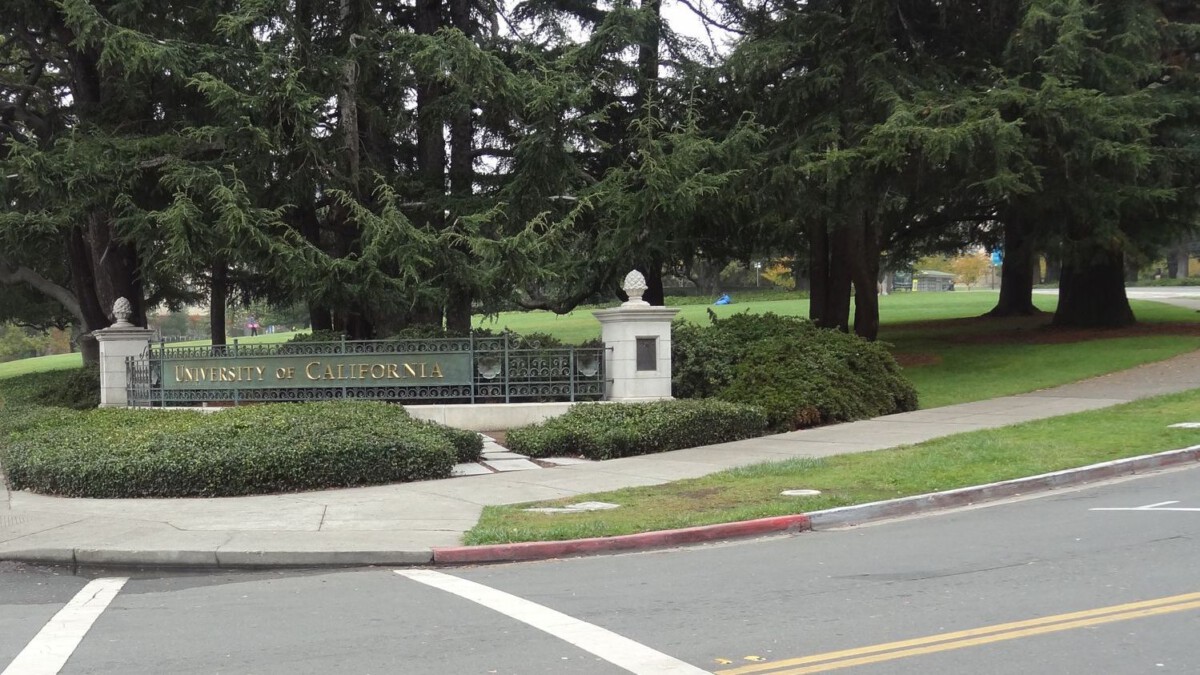
UC Berkeley slammed for promoting radical communist leaders at taxpayer expense: Report – Image for illustrative purposes only (Image credits: upload.wikimedia.org)
A University of California, Berkeley-linked teacher training program funded with public dollars has drawn sharp criticism after a watchdog organization released findings that question its approach to ethnic studies. The report from Defending Education focuses on sessions designed for high school educators and argues that the curriculum frames certain revolutionary leaders in heroic terms. This development has renewed debate over how taxpayer-supported initiatives shape classroom content in California schools.
Core Claims in the Watchdog Report
The examination centers on UC Berkeley’s high school ethnic studies training efforts, with particular attention to a 2024 session titled “Teaching Histories of.” According to the report, these programs encourage an activist orientation that elevates controversial revolutionary figures rather than presenting balanced historical context. Critics contend that such framing risks turning professional development into ideological instruction. The findings suggest the materials prioritize certain narratives over traditional academic neutrality. Defending Education maintains that public funding should not support content that casts revolutionary icons as unambiguous heroes without sufficient counterbalance. This stance has prompted questions about oversight of university outreach programs that reach K-12 teachers.
Taxpayer Funding and Program Scope
The training initiatives operate with support from state resources, raising concerns about accountability for how those dollars are spent. UC Berkeley’s involvement gives the sessions academic credibility, yet the report questions whether that prestige aligns with the activist tone described in the materials. Observers note that ethnic studies requirements in California high schools have expanded in recent years, making teacher preparation programs especially influential. Proponents of the training argue it helps educators address underrepresented histories. The watchdog report, however, counters that the emphasis on revolutionary figures may steer instruction toward advocacy instead of analysis. This tension reflects wider discussions about the purpose of ethnic studies in public education.
Implications for Classroom Instruction
If the report’s observations hold, the training could influence how thousands of students encounter ethnic studies topics. Teachers who attend these sessions might incorporate the highlighted perspectives into lesson plans, potentially shaping student understanding of historical events. The concern centers on whether students receive tools for critical thinking or a curated set of approved viewpoints. Education policy analysts have long debated the balance between cultural relevance and factual rigor in such courses. The current controversy adds a new layer by linking specific university programming to those broader questions. School districts that rely on UC Berkeley resources for professional development may now face added scrutiny from parents and oversight bodies.
Next Steps and Ongoing Debate
Defending Education has called for greater transparency in how the programs are designed and funded. University officials have not yet issued a detailed public response to the specific allegations. The report’s release comes at a time when ethnic studies curricula continue to evolve across the state. Stakeholders on all sides agree that high-quality teacher preparation remains essential. The disagreement lies in what constitutes appropriate content and framing within publicly supported training. As more details emerge, the discussion is likely to influence future decisions about curriculum guidelines and resource allocation in California schools.