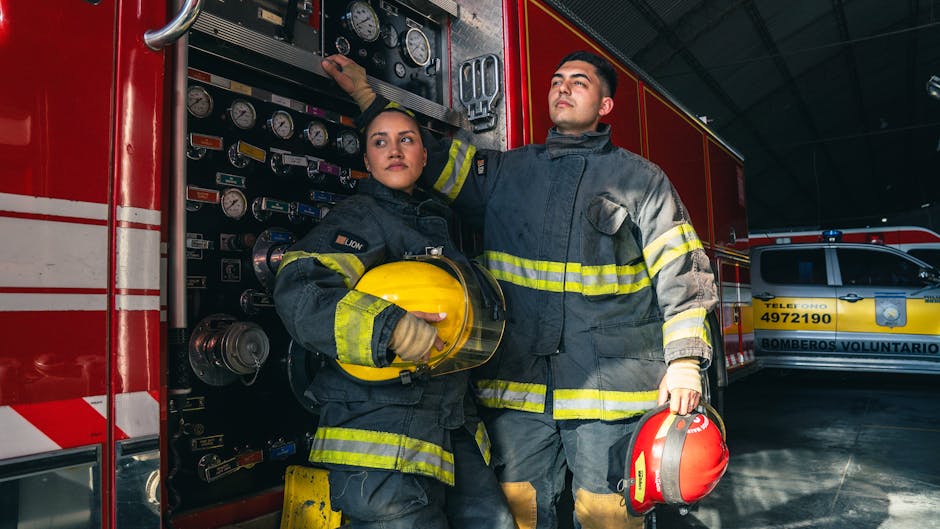
Volunteer Fire Departments struggle to fill need – Image for illustrative purposes only (Image credits: Pexels)
Chief David Pratte of the Big River/Bonne Terre Fire Department considers his situation fortunate. The department maintains a roster of 29 volunteer firefighters who stand ready to respond to emergencies. This level of staffing sets the department apart from many others across the country that continue to face ongoing difficulties in attracting and retaining enough volunteers.
Local Stability Provides a Clear Contrast
Pratte’s department operates with a reliable core of volunteers who handle the demands of the area. The presence of 29 active members allows the team to maintain coverage without the acute gaps reported elsewhere. This arrangement reflects the dedication of individuals who commit their time without compensation to protect their communities.
Departments in similar situations often depend on such volunteers to bridge the gap between professional resources and local needs. The ability to sustain this number of participants demonstrates effective local recruitment and retention efforts. Yet the contrast with national patterns remains evident in daily operations.
Recruitment Difficulties Affect Departments Nationwide
Volunteer fire departments throughout the United States have encountered persistent challenges in filling their ranks. Many report fewer applicants willing to undergo the required training and commit to irregular call schedules. These shortages can stretch existing members and limit response capabilities during peak periods.
The issue stems from broader shifts in community involvement and competing demands on personal time. Departments that once drew steady interest now compete for a smaller pool of candidates. This trend has prompted some areas to explore new outreach methods while others simply manage with reduced numbers.
Community Impact Remains a Central Concern
Fire protection in many rural and suburban areas relies heavily on volunteer contributions. When staffing falls short, response times and service levels can suffer. Communities served by these departments continue to value the role volunteers play in maintaining safety standards.
Efforts to address the shortfall focus on highlighting the importance of the work and simplifying entry requirements where possible. Departments like the one led by Pratte serve as examples of what remains achievable with sustained local support. The national picture, however, indicates that additional strategies will be needed to close the gap in the years ahead.
Key point: A roster of 29 volunteers provides meaningful stability for one department while underscoring the wider recruitment pressures facing volunteer fire services across the country.