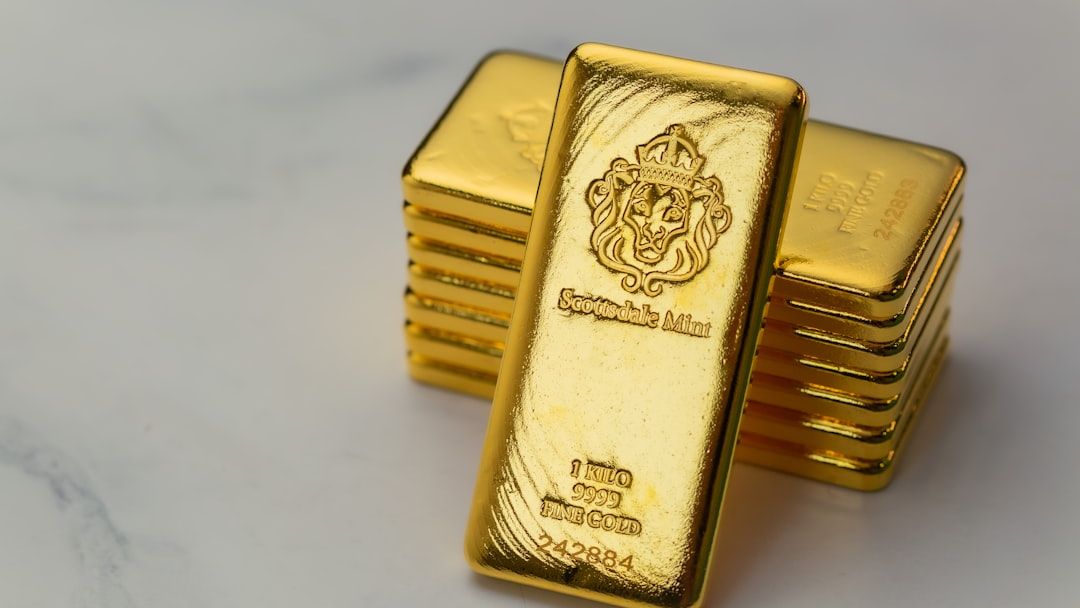
Gold rallies past ₹1.63 lakh amid global uncertainty, weaker rupee – Image for illustrative purposes only (Image credits: Unsplash)
Indian households planning gold purchases for weddings, festivals, or long-term savings now face noticeably higher expenses after the government lifted the total import duty on gold and silver to 15 percent from the previous 6 percent. The change has reinforced an existing upward movement in domestic bullion prices, which have moved past ₹1.63 lakh per 10 grams. At the same time, global market volatility and a weaker rupee continue to shape the broader environment for precious metals.
Timeline of the Duty Adjustment
The revision took effect recently and applies uniformly to both gold and silver imports. Officials framed the step as a measure to manage the current account and support domestic production. Importers and traders received limited advance notice, which meant many shipments already in transit or contracted at the lower rate faced immediate cost recalculations.
Market participants reported that the announcement triggered quick repricing across wholesale channels. Retail outlets adjusted their displayed rates within hours, passing the added levy directly to end buyers. The compressed timeline left little room for advance stocking at the older duty level.
Direct Effects on Prices and Buyers
Domestic gold prices had already been climbing because of international uncertainty and currency movements. The duty increase added a further layer of cost that importers must absorb or transfer. As a result, the per-10-gram benchmark crossed ₹1.63 lakh, a level that affects both small retail purchases and larger institutional holdings.
Consumers who had deferred buying in anticipation of price corrections now confront a steeper entry point. Jewelers note that walk-in traffic for plain gold coins and bars has slowed, while demand for lighter jewelry pieces remains steadier among those with fixed ceremonial needs.
Stakeholders Feeling the Change
- Importers and bullion dealers must recalculate margins and renegotiate supplier contracts under the higher levy.
- Retail jewelers face slower turnover on higher-priced stock and are adjusting inventory toward lighter or lower-carat items.
- Individual buyers, especially middle-income families saving for marriages or festivals, encounter larger cash outlays for the same quantity of gold.
- Investors holding physical gold or exchange-traded funds see the immediate valuation impact reflected in daily quotes.
Practical Steps for Those Planning Purchases
Financial advisers recommend comparing current retail rates across multiple outlets before committing to large quantities. Some suggest spreading acquisitions over several weeks to average out short-term swings. Others advise reviewing existing holdings to determine whether additional purchases remain necessary at the elevated price points.
Those with upcoming ceremonial requirements are advised to finalize designs early and lock in rates where possible, while monitoring any further policy signals that could influence future duty levels.
The duty revision underscores how policy decisions intersect with everyday financial planning for millions of Indian households that view gold as both a cultural asset and a store of value. As markets absorb the new cost structure, buyers and sellers alike will continue to watch global cues and currency movements for the next signals on price direction.