
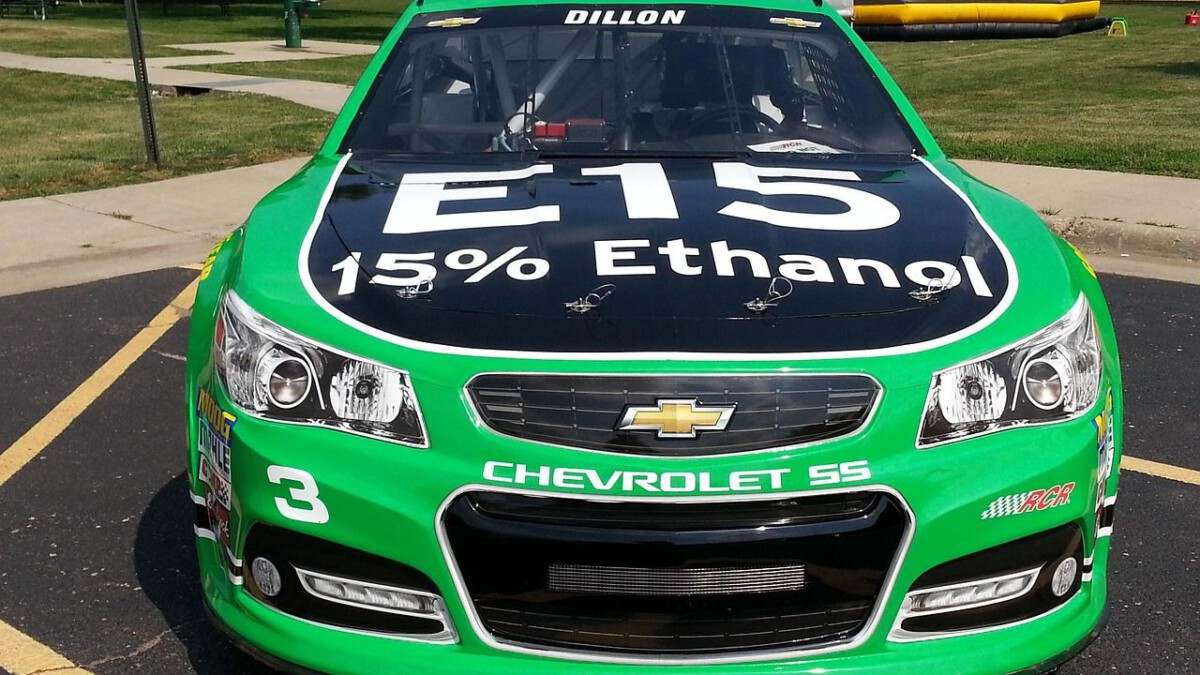
Here’s What to Know About E15 Gas as Congress Seeks Lower Pump Prices – Image for illustrative purposes only (Image credits: Pixabay)
Washington lawmakers are moving to expand access to a higher-ethanol gasoline blend as rising fuel costs continue to strain household budgets. The U.S. House approved legislation this week that would permit year-round sales of E15, a mixture containing 15 percent ethanol. Supporters say the change could deliver meaningful relief at the pump while the measure advances through Congress.
Legislation Clears Key Hurdle
The bill passed the House on Wednesday and now heads to the Senate for consideration. Lawmakers framed the action as a direct response to elevated gasoline prices that have drawn widespread public attention. The measure targets restrictions that currently limit E15 sales during summer months in many regions. Proponents argue that removing those seasonal barriers would increase supply options and help stabilize costs for consumers nationwide.
Expected Savings for Drivers
Analysts project that wider availability of E15 could lower prices by about 25 cents per gallon compared with standard blends. The savings would stem from ethanol’s lower production cost relative to pure gasoline. Motorists who fill up regularly would see the difference accumulate over time, particularly in high-mileage households. The potential reduction remains subject to market conditions and retailer participation once the policy takes effect.
Vehicle Compatibility Requirements
Not every car can safely use E15, so drivers must verify compatibility before switching. Vehicles built after 2001 generally receive approval from manufacturers for the blend. Older models, motorcycles, boats, and certain small engines often carry warnings against it. Owners should consult their vehicle manual or the manufacturer’s website to confirm suitability and avoid potential damage to fuel systems.
Next Steps and Market Impact
Senate action will determine whether the policy becomes law before the summer driving season. If approved, retailers would gain flexibility to offer E15 throughout the year in more locations. The change could also influence ethanol demand and farm-sector economics tied to corn production. Consumers, meanwhile, would gain another option at the pump as prices remain a focal point in national policy debates.