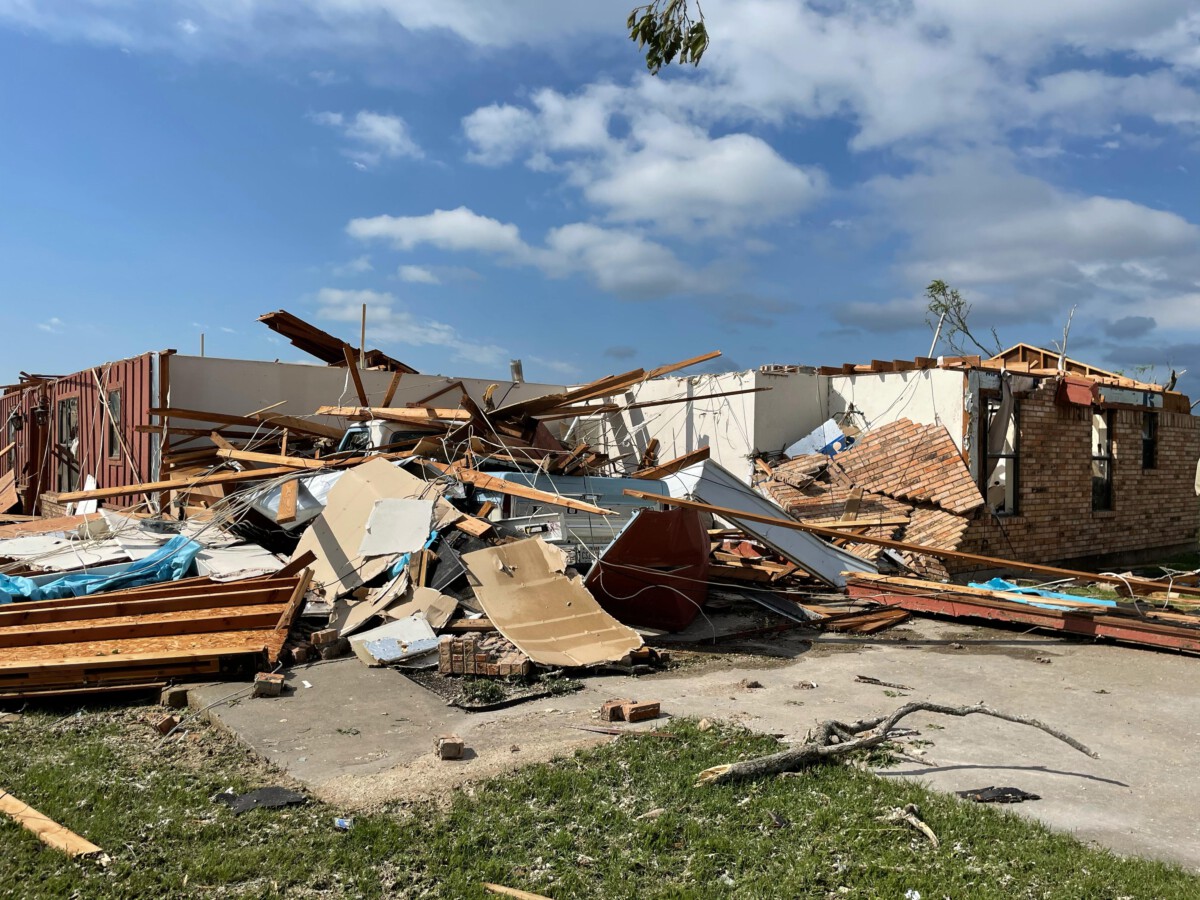

After bombs, blackouts and bank restrictions, Gaza’s digital workers are still coding – Image for illustrative purposes only (Image credits: Pexels)
Gaza City – Digital workers across the Gaza Strip have begun to restore steady freelance income after months of disrupted power and connectivity following the October ceasefire. Many now split their days between damaged neighborhoods and newly opened coworking hubs, where solar generators and shared internet lines allow them to meet client deadlines. The shift has turned remote coding from a wartime lifeline into a central part of daily survival for hundreds of families still waiting for broader reconstruction.
War Damage Slowed but Did Not Halt Remote Work
More than three-quarters of Gaza’s telecommunications network suffered direct hits during the conflict, leaving many neighborhoods without reliable electricity or data for extended periods. Freelancers who once delivered projects on schedule found themselves limited to brief windows of generator power or forced to pause entirely when batteries ran out. Yet the sector never disappeared completely.
Even at the height of outages, some programmers continued small tasks on battery-powered laptops or by traveling to areas with temporary service. The pattern has now reversed: workspaces equipped with solar arrays report rising daily attendance as workers seek consistent hours rather than sporadic bursts of connectivity.
Coworking Hubs Offer More Than Just Power
Five independent spaces have reopened in recent months, each drawing dozens of coders, designers and developers who previously worked from tents or rubble-strewn apartments. One facility, Taqat Gaza, runs on solar generators and schedules full-day access for more than 500 registered users. Its founder notes that participants value the reliable environment as much as the electricity itself.
Women have formed a growing share of these users. Many became primary earners after male relatives lost jobs or were displaced, turning graphic design and web projects into essential household revenue. The shared spaces also provide informal training sessions aimed at refreshing skills dulled during months away from client work.
Payment Routes Remain Complicated
Traditional banking channels inside Gaza stay limited, and major platforms still block direct transfers to Palestinian addresses. Workers therefore rely on relatives abroad or local cash brokers who charge high fees to convert electronic payments. One new platform, Gaza Talents, has already moved more than $600,000 to local accounts by partnering with the Bank of Palestine and the digital wallet PalPay.
Founders of these services say the core requirement for most freelancers is straightforward: a working laptop, steady internet and a paying client. The remaining barriers are logistical rather than technical, and each cleared payment reinforces the decision to keep coding rather than seek aid.
Focus Shifts to Long-Term Competitiveness
Programmers who stayed active during the conflict now emphasize rebuilding portfolios and meeting international standards again. Early projects often involved simple logo work or basic websites; current contracts include more complex applications for clients in Saudi Arabia, Kuwait and Turkey. The steady flow of assignments has reduced dependence on humanitarian distributions for many households.
Observers note that the sector’s survival reflects a broader desire among residents to regain economic agency. While full reconstruction of homes and infrastructure remains stalled, the ability to earn abroad through a laptop offers a measurable step toward normal routines. For those who return each day to their screens, the work itself provides both income and a temporary distance from surrounding uncertainty.