
Centralia, Pennsylvania
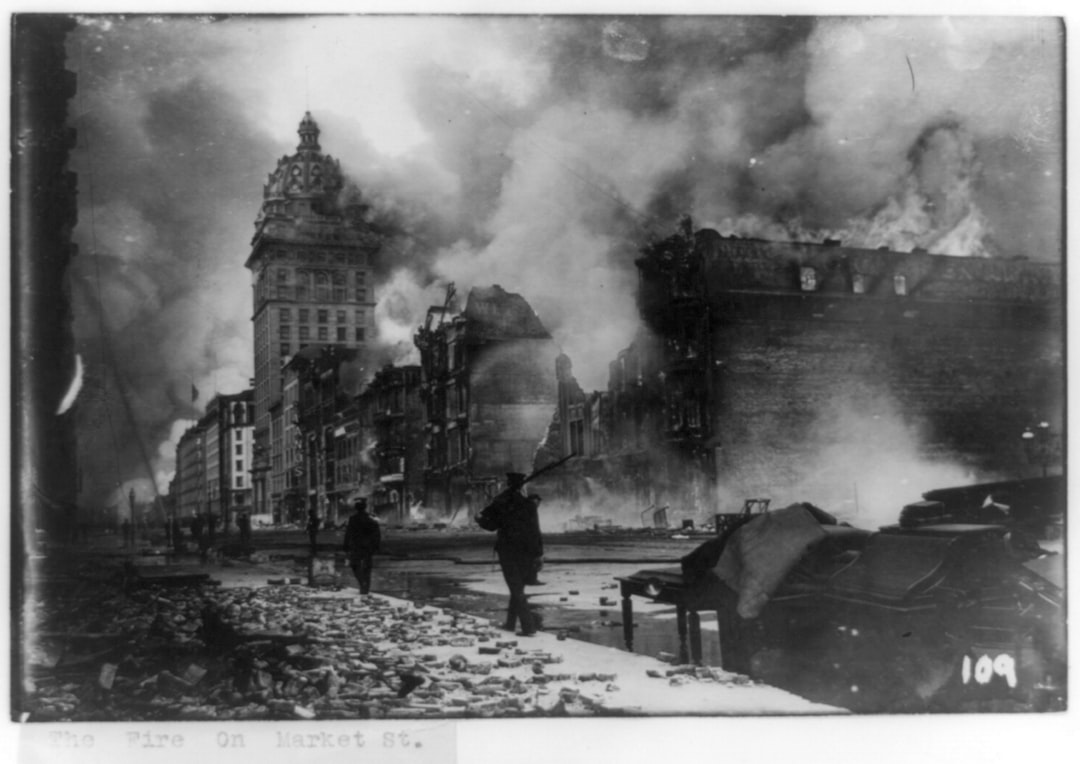
Centralia once had more than 1,000 residents living in a close knit community. A coal mine fire that began in 1962 continues burning underground today. This ongoing blaze forced nearly the entire population to relocate over the following decades. The fire has shown no signs of stopping even after more than sixty years. Underground coal fires like the one beneath Centralia can burn for decades or even centuries. They persist because of interconnected coal seams and limited oxygen control underground. Residents watched their town slowly empty as safety concerns grew. The landscape now features cracked roads and warning signs instead of busy streets.
More than 3,800 ghost towns are estimated to exist across the United States. Centralia stands out because its fire remains active and visible in small ways. Mining towns in the American West often experienced population collapses within just a few decades once natural resources became depleted. Centralia followed a similar pattern but with an added environmental twist. Families packed up and moved to nearby areas for fresh starts. The remaining structures serve as quiet reminders of what once was. Visitors sometimes stop to see the eerie effects of the underground heat. The town has become a symbol of how long some disasters can last.
Bodie, California
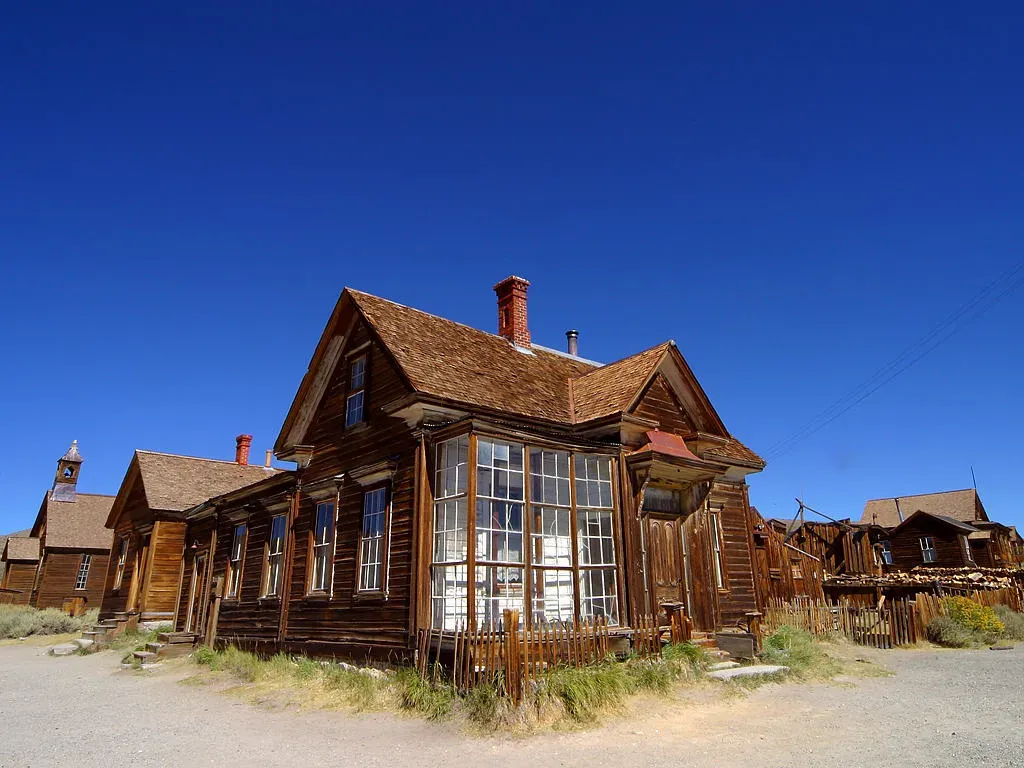
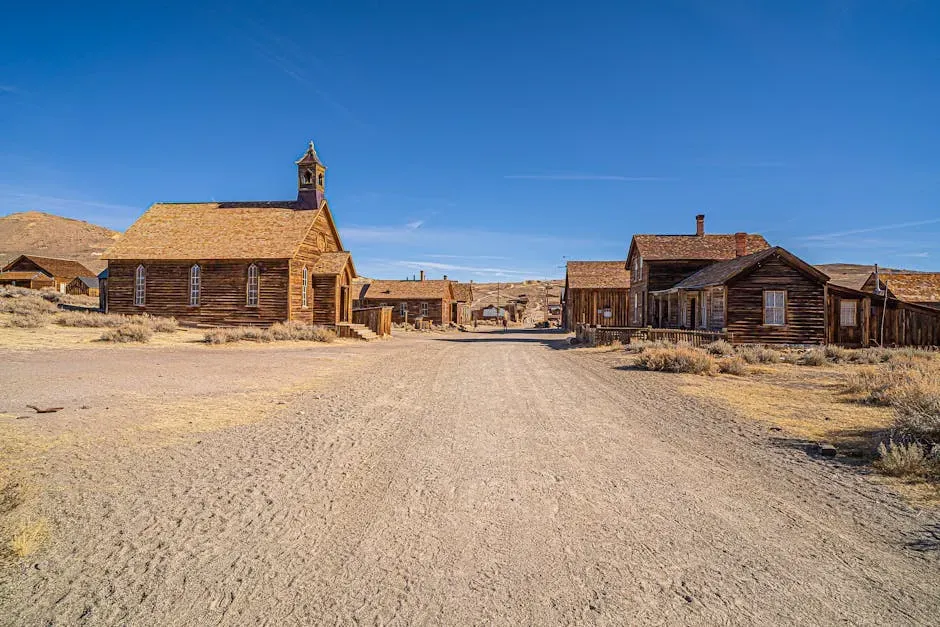
Bodie grew rapidly during the gold rush and reached an estimated population of around 10,000 people by 1880. The town thrived on mining profits that drew workers from far away. After mining profits collapsed the population declined sharply within a short time. Buildings were left standing as people sought work elsewhere. Mining towns in the American West often experienced population collapses within just a few decades once natural resources became depleted. Bodie became one of the clearest examples of this pattern. The gold rush era brought quick wealth followed by sudden emptiness. Today the preserved site shows what a boomtown looked like at its peak.
More than 3,800 ghost towns are estimated to exist across the United States. Bodie fits into that large number because of its mining roots. The town once had schools, saloons, and homes filled with activity. When the mines stopped producing the economy dried up fast. Remaining structures now attract people interested in Old West history. Some abandoned American towns have become tourist attractions drawing thousands of visitors annually. Bodie continues to draw those visitors who want to walk through its quiet streets. The site keeps the memory of its short but intense heyday alive.
Cahawba, Alabama
Cahawba served as Alabama’s first state capital during its early years. The town enjoyed a period of growth and importance in state affairs. Repeated flooding and economic decline in the late 1800s led to its abandonment. Residents moved away as the river caused ongoing damage. Cahawba once featured homes and businesses that supported daily life. The shift in state capital location added to the economic pressure. Flooding made rebuilding difficult and costly over time. The town slowly emptied as people sought safer places to live.
More than 3,800 ghost towns are estimated to exist across the United States. Cahawba represents those lost to natural challenges and changing fortunes. The site now holds historical markers that tell its story. Visitors can see the remains of what was once a bustling center. Mining towns in the American West often experienced population collapses within just a few decades once natural resources became depleted. Cahawba followed a different path tied to flooding instead. The quiet ruins stand as evidence of how quickly a capital can fade. The location offers a glimpse into early Alabama history.
Glenrio, Texas and New Mexico
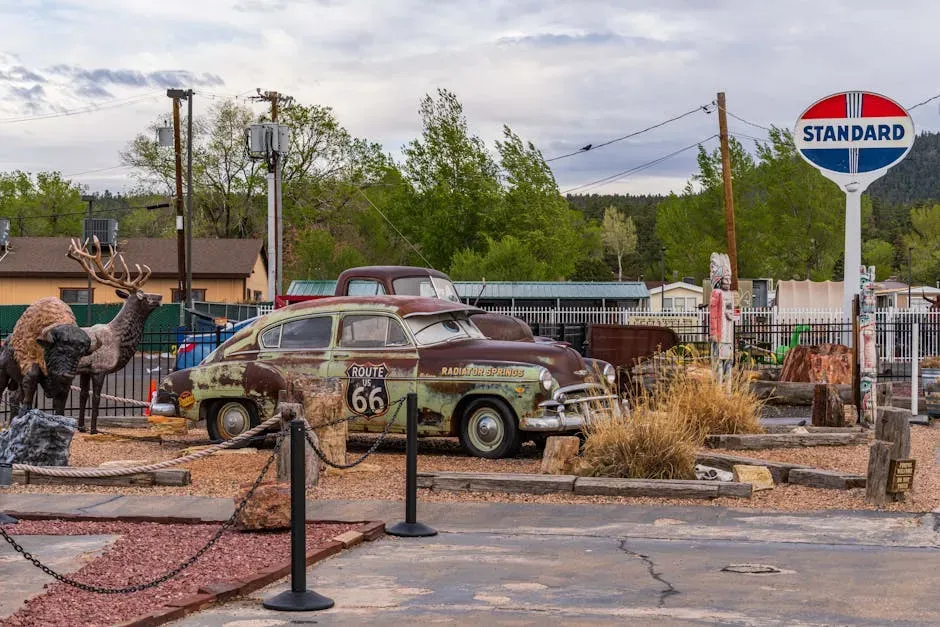
Glenrio thrived along Route 66 before interstate highways bypassed the town. Businesses lined the road and served travelers passing through. The bypass projects in the 1970s and 1980s contributed to economic collapse in several once thriving roadside communities. Glenrio lost its steady stream of customers almost overnight. Route 66 had brought life to the small settlement for many years. When traffic moved away the gas stations and motels closed one by one. Residents left in search of new opportunities elsewhere. The town became a quiet stretch of empty buildings.
More than 3,800 ghost towns are estimated to exist across the United States. Glenrio joins that count due to highway changes. Some abandoned American towns have become tourist attractions drawing thousands of visitors annually. Glenrio now draws those interested in Route 66 history. The old signs and structures remain visible along the original road. Mining towns in the American West often experienced population collapses within just a few decades once natural resources became depleted. Glenrio shows how transportation shifts can create the same outcome. The site preserves the feel of mid century travel.
Kennecott, Alaska
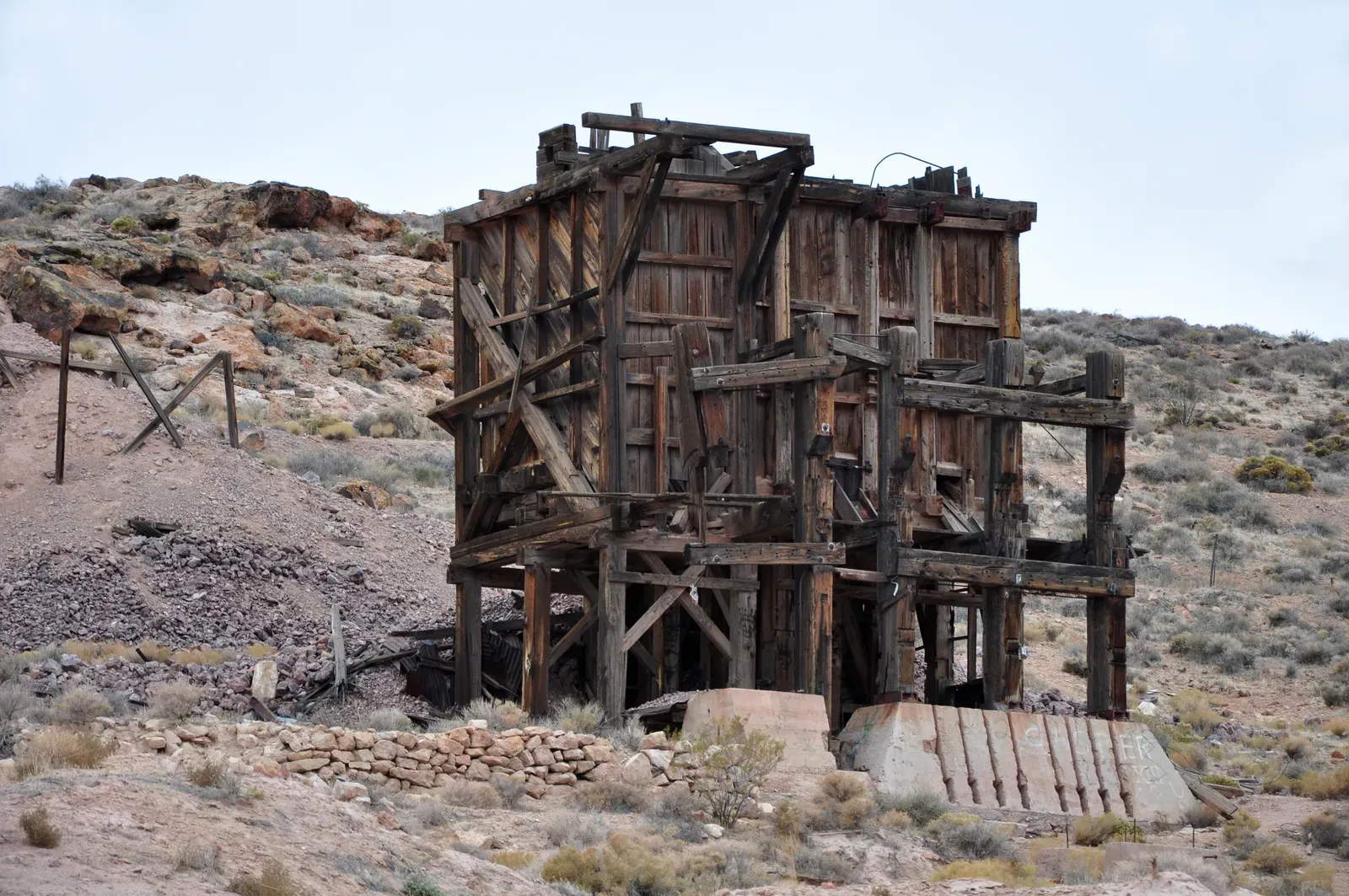
Kennecott became a booming copper mining town in the early 1900s. The mines brought workers and families to the remote area. The town was almost entirely abandoned after the mines shut down in 1938. Copper production had supported the community for decades before ending. Kennecott once featured a large mill and company housing. When operations stopped the population dropped to nearly zero. Mining towns in the American West often experienced population collapses within just a few decades once natural resources became depleted. Kennecott followed this pattern in a northern setting.
More than 3,800 ghost towns are estimated to exist across the United States. Kennecott stands as a preserved example of industrial decline. Some abandoned American towns have become tourist attractions drawing thousands of visitors annually. Kennecott now welcomes those curious about mining history. The massive structures remain standing against the mountain backdrop. The site shows how quickly a remote boomtown can empty. Visitors explore the old buildings and learn about the copper era. The location keeps the story of its rise and fall intact.