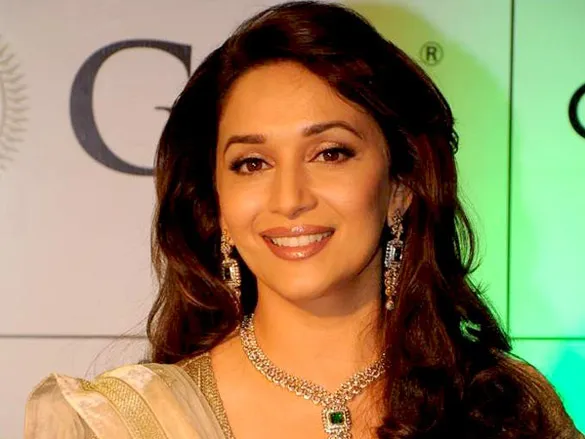
Birthday Special: Madhuri Dixit Nenes Journey With Filmfare Through The Years – Image for illustrative purposes only (Image credits: upload.wikimedia.org)
Madhuri Dixit Nene marks her 59th birthday with a career that continues to resonate across generations of filmgoers. Her six Filmfare Awards, earned across more than two decades, stand out not only for their number but for the distinct phases of her work they represent. From early romantic leads to later supporting roles, each win captured a different facet of her screen presence and helped solidify her place in Hindi cinema history.
A First Win That Announced Her Arrival
The 1990 Best Actress trophy for Dil marked Madhuri Dixit Nene’s initial major recognition from the industry. In the film she portrayed a spirited young woman navigating class differences and family pressures alongside Aamir Khan’s character. Critics and audiences noted how she balanced lighthearted charm with deeper emotional shifts, turning what could have been a standard romance into a showcase of natural timing and expressiveness. The award confirmed that her appeal extended beyond dance sequences into substantive acting territory.
Strengthening Her Position With Beta
Two years later, the Best Actress honor for Beta highlighted a shift toward more assertive characters. Madhuri played a determined wife confronting manipulation within her extended family, delivering a performance that mixed intelligence with quiet resilience. The role allowed her to anchor a narrative centered on middle-class dynamics, and the win reinforced her growing reputation for carrying films that blended drama with social undertones. Viewers responded strongly to the way she conveyed both vulnerability and resolve without exaggeration.
Defining the 1990s With a Blockbuster Lead
By 1994, Madhuri Dixit Nene had become synonymous with the era’s most successful family entertainers. Her Best Actress award for Hum Aapke Hain Koun..! came for a portrayal of warmth and quiet strength amid shifting family circumstances. Rather than relying on overt dramatic moments, the performance drew attention through subtle expressions and an ability to hold the emotional center of a sprawling ensemble. The film’s massive commercial success amplified the award’s significance, positioning her as the decade’s most bankable female star.
Showcasing Grace in a Romantic Fantasy
The 1997 Best Actress win for Dil To Pagal Hai introduced a more introspective side of her range. As a dancer who believes in destined love, Madhuri brought elegance and vulnerability to a story that mixed fantasy with real emotional stakes. Her work alongside Shah Rukh Khan emphasized both dramatic depth and precise dance execution, elements that set the performance apart. The award arrived at a point when she was already a household name, yet it underscored her continued willingness to explore lighter, more lyrical material.
Maturity Recognized in Devdas and a Career Tribute
Five years later, the Best Supporting Actress award for Devdas acknowledged a more layered character study. In the role of Chandramukhi, Madhuri conveyed quiet dignity and inner conflict within a lavish period setting, earning praise for scenes that balanced restraint with intensity. The 2011 Special Award that followed celebrated her overall body of work rather than a single film. Together these honors reflected a transition from leading lady to respected veteran whose influence extended beyond any one performance.
Across these milestones, a consistent thread emerges: Madhuri Dixit Nene approached every role with full commitment, whether the story demanded fiery independence or understated grace. Her Filmfare record therefore serves as more than a list of trophies. It maps the evolution of an artist who helped define key chapters in Hindi cinema while remaining adaptable to changing audience expectations. As she enters another year, that body of work continues to offer a clear measure of sustained excellence.