
The Farmer’s Wave to Passing Drivers
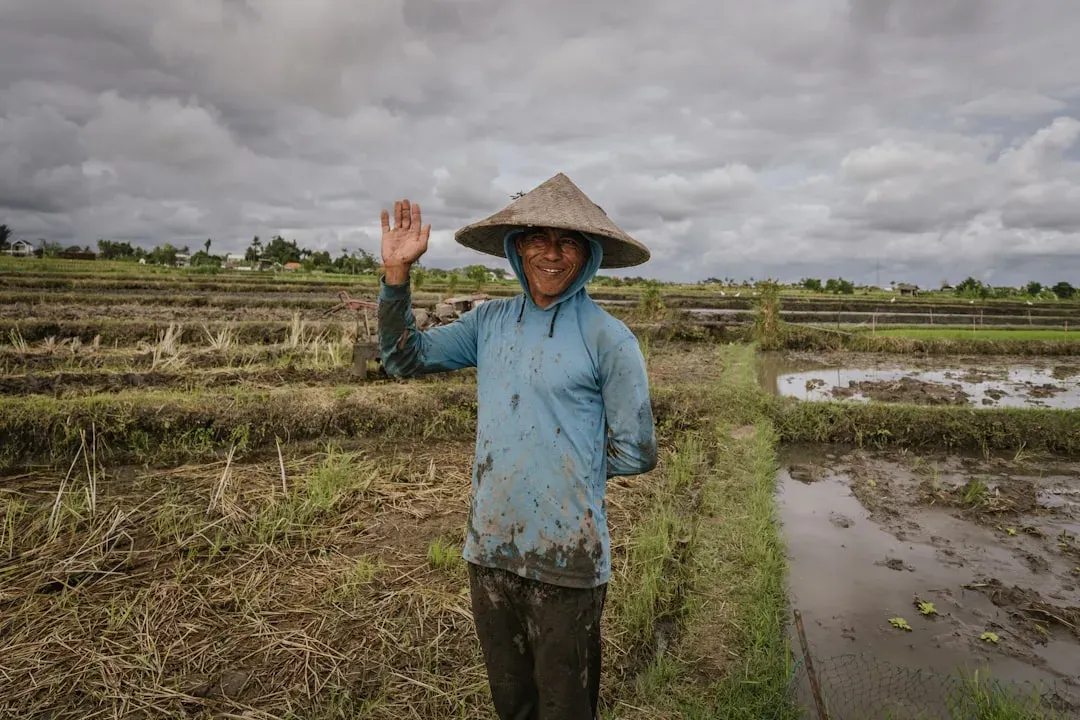
Drivers in rural Midwest areas often lift a hand or two fingers from the steering wheel when another vehicle approaches on a quiet road. This simple motion signals recognition without slowing down or pulling over. Studies of regional personality traits note higher levels of agreeableness and extroversion in the Midwest, which may help explain why such brief connections feel natural rather than intrusive.
The gesture traces back to farming communities where neighbors relied on each other for everything from equipment repairs to harvest help. Today it persists even in areas with more traffic, serving as a low-effort way to maintain a sense of shared space. Research from 2013 on geographic differences in personality continues to align with these observable habits in everyday travel.
The Quick “Ope” for Minor Collisions
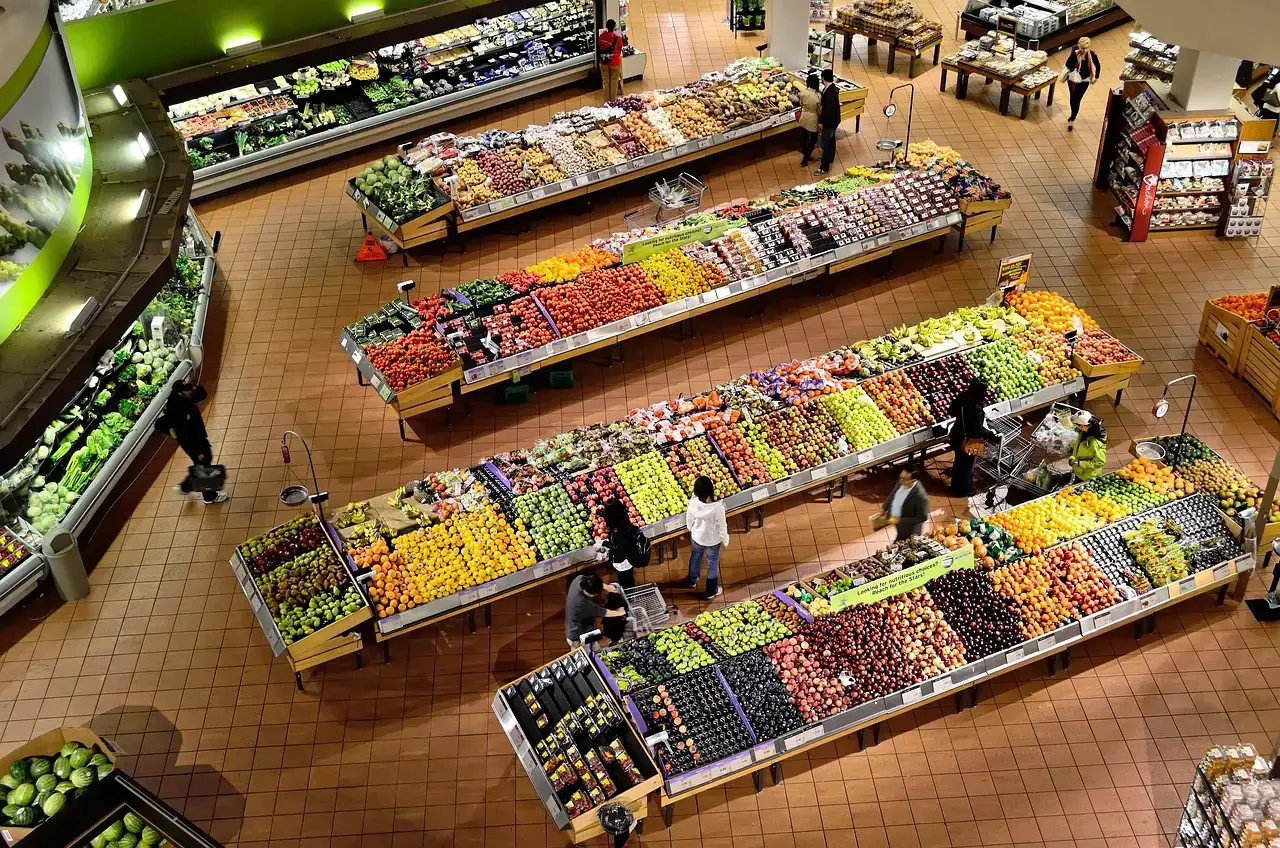
People bump shoulders in a grocery aisle or step on a toe in a crowded hallway and immediately say “ope.” The single syllable acts as both apology and acknowledgment that no real harm occurred. It keeps the moment light and moves the interaction forward without lingering awkwardness.
This habit appears consistently in accounts of Midwest social life and fits the broader pattern of nonconfrontational communication. It avoids turning a small mishap into a drawn-out exchange while still showing awareness of the other person. Recent discussions in 2025 and 2026 continue to highlight how such phrases reinforce a culture of quick, mutual courtesy.
Weather as Default Small Talk
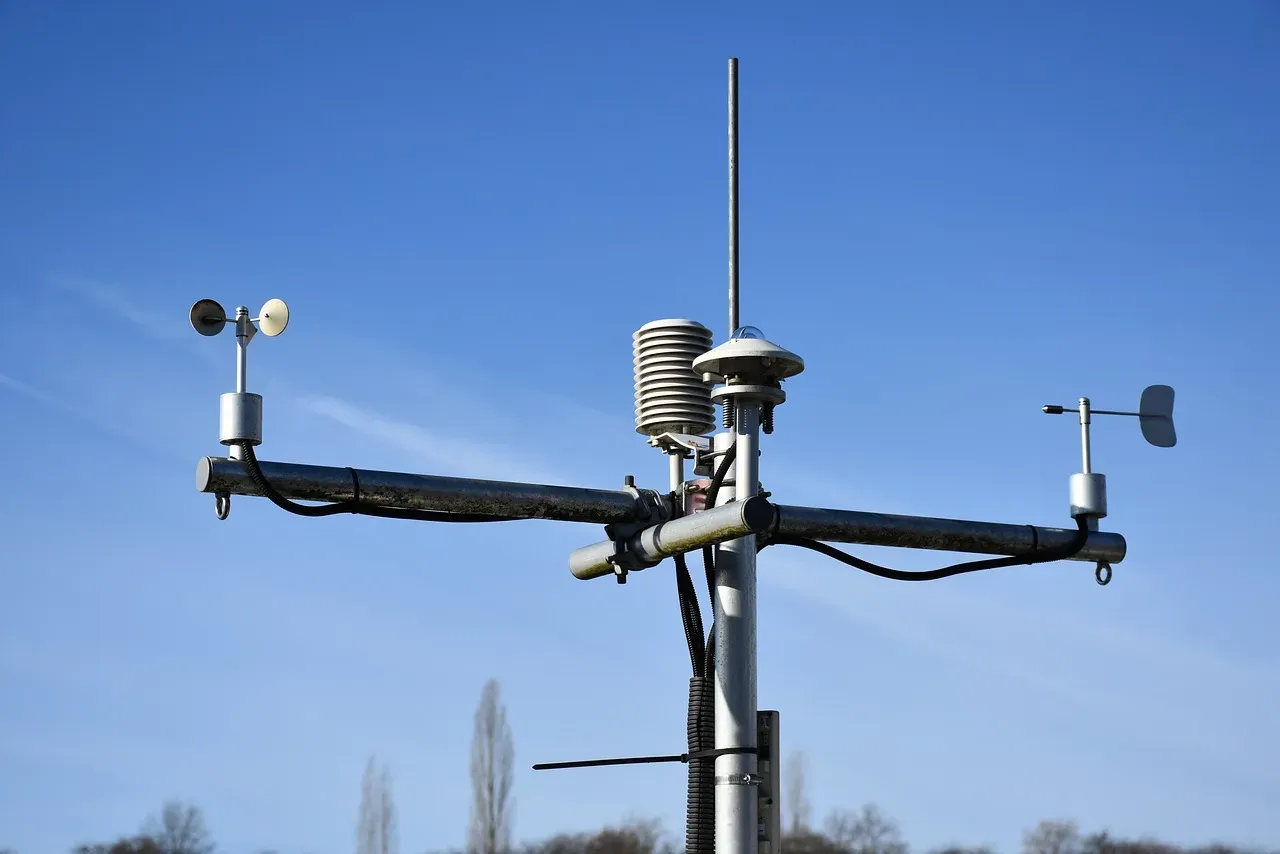
Conversations at checkout lines or community events often begin with observations about the temperature, wind, or upcoming forecast. The topic requires no personal details yet creates an immediate point of connection. Personality data showing lower openness to new experiences in the region may contribute to this preference for familiar, neutral subjects.
Weather talk serves a practical purpose in a place where conditions change quickly and affect daily plans like farming or commuting. It lets people share information and build rapport without venturing into more sensitive territory. This pattern shows up repeatedly in descriptions of Midwest interactions across both urban and rural settings.
Offering Help Before Being Asked
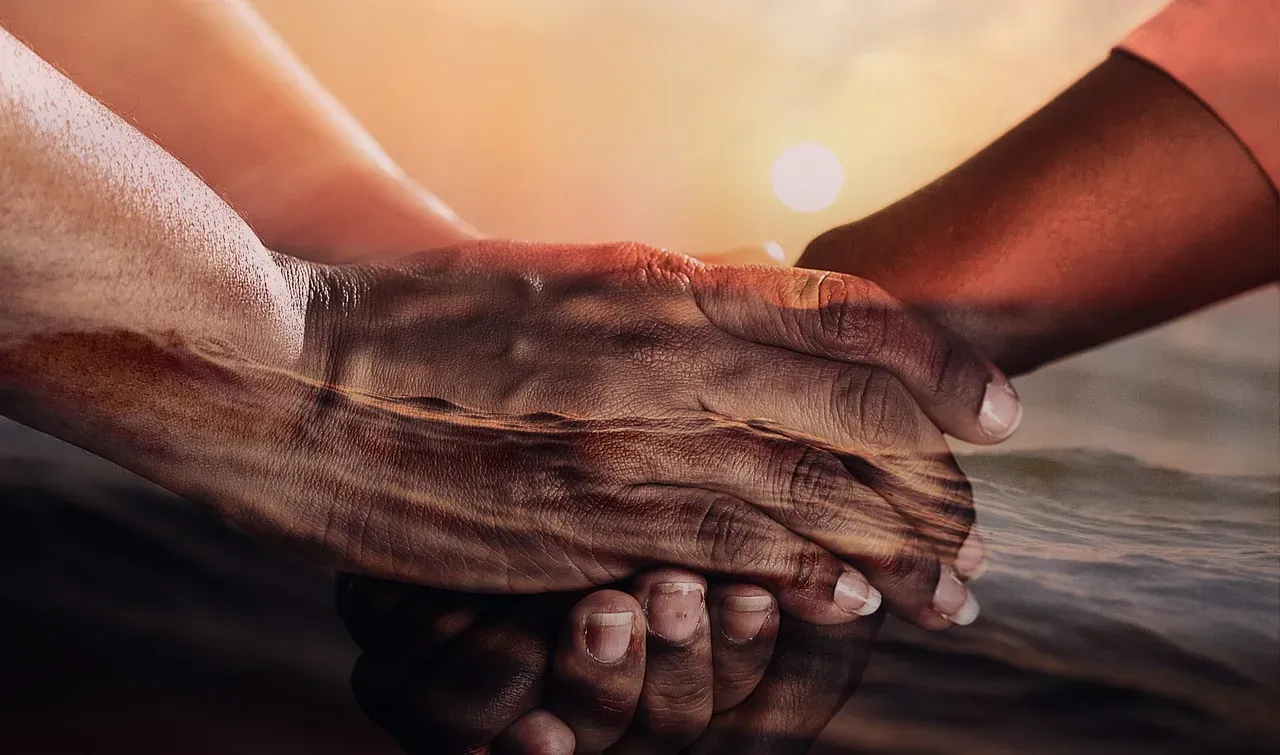
Strangers in the Midwest frequently step in to hold doors, carry groceries, or assist with a flat tire without waiting for a request. The action stems from an expectation that community members look out for one another. Historical accounts of barn-raising traditions illustrate how cooperation became embedded in local norms over generations.
Modern examples appear in everyday settings such as gas stations and parking lots, where assistance arrives promptly and without fanfare. This proactive style contrasts with more reserved approaches elsewhere and aligns with documented traits of conscientiousness in Midwest populations. The behavior remains consistent even as the region grows more diverse.
Indirect Language to Keep Peace
Residents often phrase disagreements or requests in softened terms, such as “You’re fine” when someone blocks a path or “I’ll have to check my schedule” instead of a direct no. These expressions maintain harmony while still conveying the intended message. Analyses from 2024 and 2025 describe this as a deliberate choice to prioritize group comfort over blunt clarity.
The approach reduces the chance of open conflict in tight-knit communities where relationships span decades. It draws on the same agreeable tendencies noted in regional personality studies yet can sometimes leave outsiders uncertain about true feelings. The pattern persists because it supports the steady, low-drama social environment many locals value.
Midwest politeness ultimately reflects a long-standing preference for steady, understated connection over dramatic displays. These five rules continue to shape daily encounters in ways that feel both ordinary and distinctive to the region.