
Gas Powered Leaf Blowers
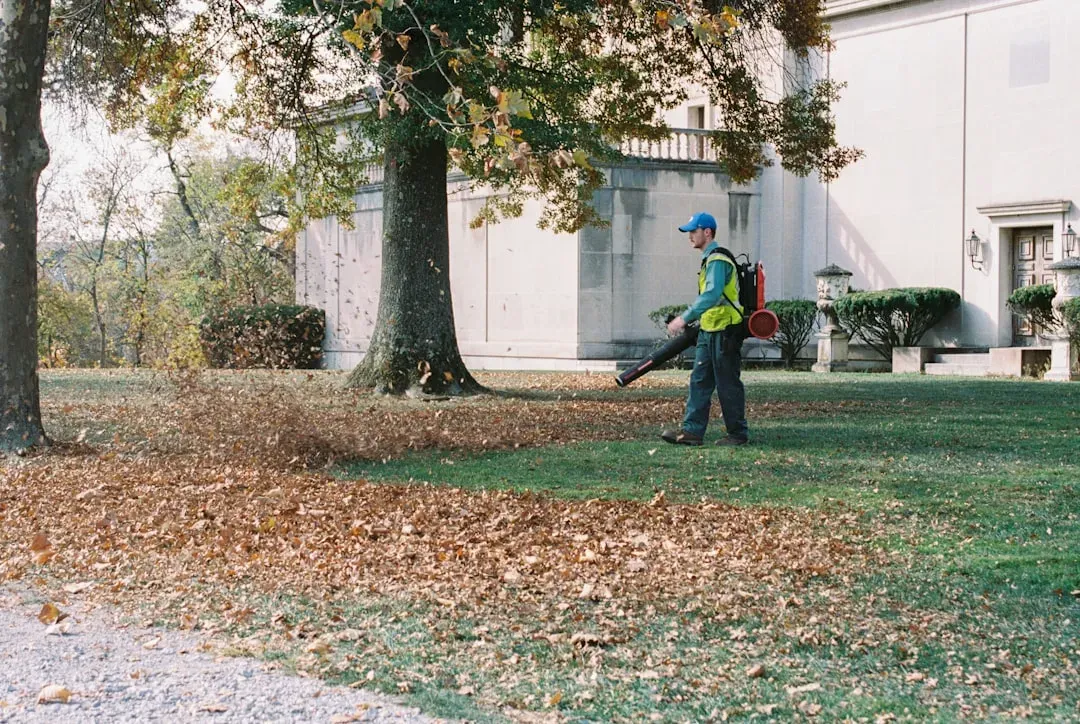
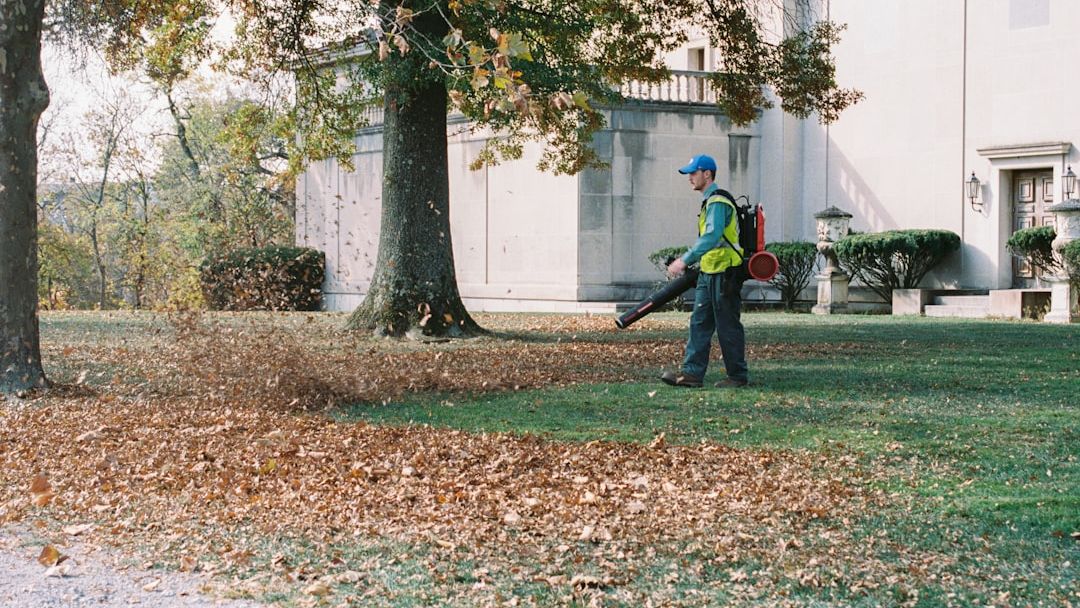
Gas powered leaf blowers rank among the first tools targeted in recent years. Cities cite their two stroke engines for releasing high levels of pollutants and noise that exceed typical residential limits. More than 200 jurisdictions now restrict or ban them outright, according to tracking by advocacy groups and reports in USA Today from late 2025.
Portland, Oregon, passed a phase out that begins in 2026 and reaches a full ban by 2028, with fines starting at 250 dollars for violations. Montgomery County in Maryland stopped their use after July 2025 and added rebates for electric models. California went further with a statewide sales ban on new gas equipment that took effect in 2024. Homeowners in these areas often switch to battery versions to avoid penalties while still clearing leaves effectively.
Gas Powered Lawn Mowers
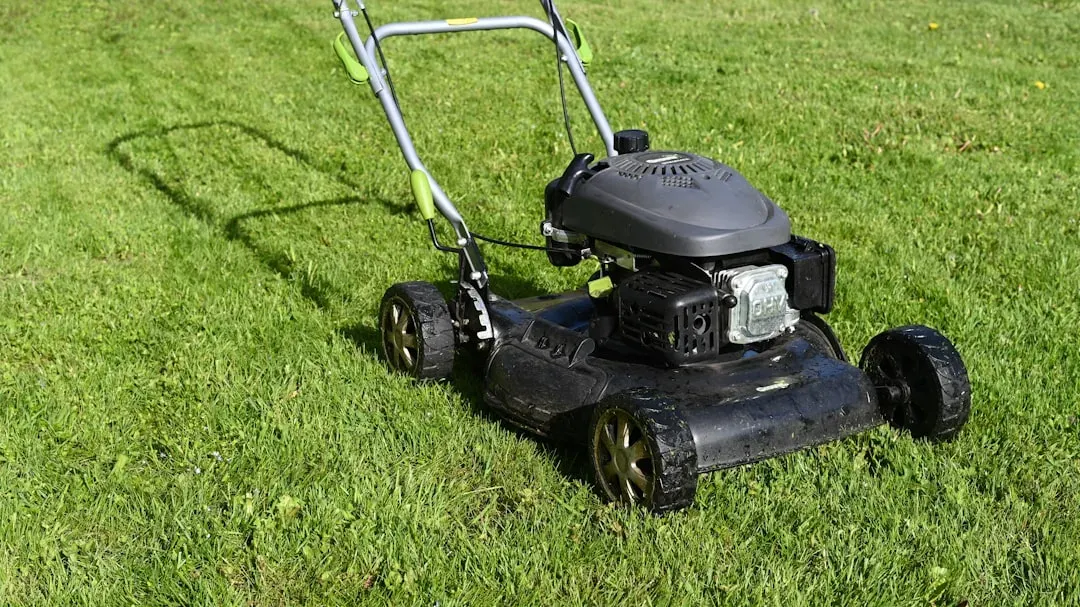
Gas powered lawn mowers face similar pressure in places focused on air quality. Their engines contribute to ozone formation, prompting rules that limit or eliminate them on public and sometimes private property. Colorado implemented a summer ban on state lands starting in 2024 under Regulation 29, covering nine Front Range cities during peak ozone months.
California extended its small engine sales restrictions to mowers alongside other equipment beginning in 2024. Several suburbs around Chicago allow gas mowers only during certain seasons to cut emissions. Residents report that electric mowers now handle most yards without the fumes or maintenance hassles of older models. Local governments often pair these limits with incentives that make the switch more affordable over time.
Gas Powered String Trimmers

Gas powered string trimmers draw scrutiny for the same engine related issues as blowers and mowers. Their compact size makes them common in tight spaces, yet the exhaust and noise still trigger complaints in dense neighborhoods. California included them in the 2024 sales ban on new gas powered lawn tools, affecting both homeowners and professionals.
Communities in Massachusetts and New Jersey have added seasonal restrictions or outright limits on gas trimmers to reduce pollution. Some cities now require electric versions for work on public grounds. The shift encourages quieter operation that fits better with nearby homes. Data from environmental reports show these tools produce emissions comparable to cars when used regularly, which explains why regulators keep expanding the rules.
Cities continue to weigh the balance between convenience and cleaner air. Electric versions of these tools deliver similar results with fewer side effects. Checking local ordinances remains the simplest way to stay compliant as rules evolve.