
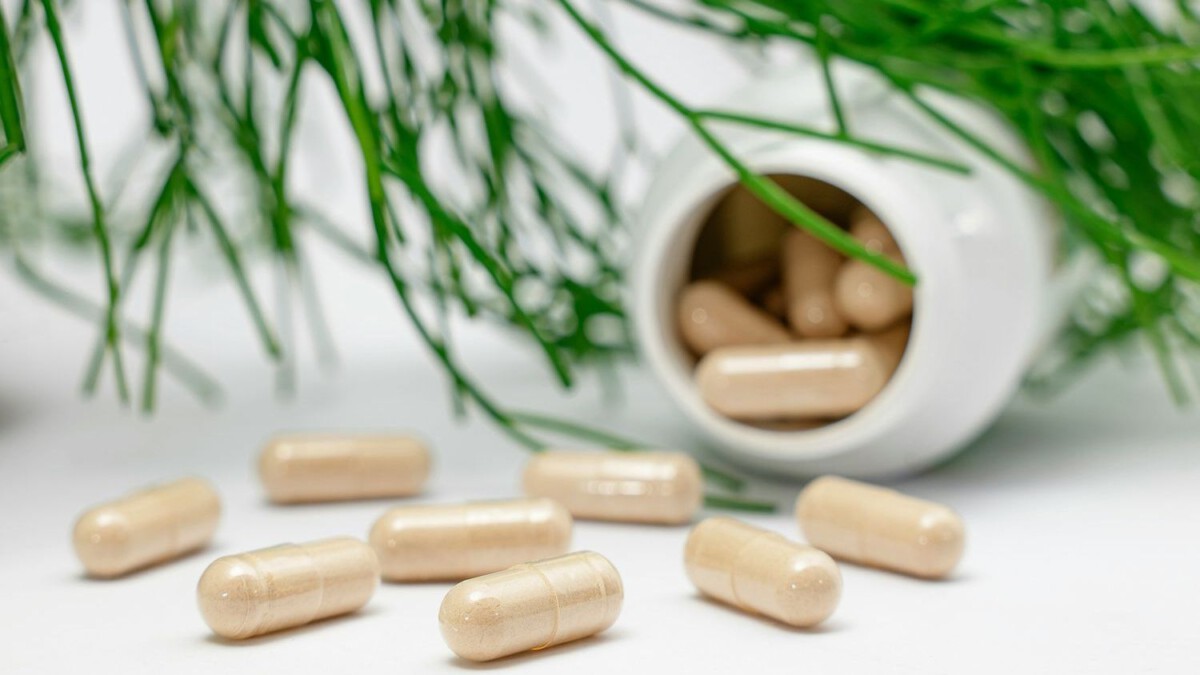
What Women Should Know About Supplement Safety – Image for illustrative purposes only (Image credits: Unsplash)
Dietary supplements have become a steady presence in the routines of millions of American women, with products ranging from vitamins and minerals to herbal blends, protein powders, and probiotics sold widely in stores and online. These items are often promoted for benefits such as improved energy, stronger immunity, better skin, or more restful sleep. Yet the regulatory framework that governs them differs sharply from the standards applied to prescription medications, leaving consumers to navigate varying levels of quality and safety on their own.
Regulatory Framework Leaves Room for Variation
Prescription drugs undergo rigorous clinical testing and approval processes before they reach the market. Dietary supplements, by contrast, operate under a different set of rules that place primary responsibility on manufacturers to ensure safety and accurate labeling. This structure means products can enter the market without the same degree of pre-market review that medications receive.
Quality differences appear across brands because oversight focuses more on post-market enforcement than upfront verification. Some items may contain inconsistent amounts of active ingredients, unintended contaminants, or substances not listed on the label. The result is a marketplace where consumers must weigh these variables when selecting products for regular use.
Excessive Intake Can Create New Concerns
Many users assume that higher doses of vitamins or other supplements will deliver faster or stronger results. In practice, large amounts of certain nutrients over time have been linked to side effects or interactions with existing medications. Excessive intake of vitamin A, iron, or calcium, for instance, can lead to health complications when continued without professional oversight.
Herbal products add another layer because they may influence blood pressure, hormone balance, or liver function depending on their specific ingredients. When women combine multiple supplements such as multivitamins, energy formulas, collagen powders, and targeted blends, overlapping components can accumulate quickly and raise the overall risk profile.
Independent Testing Offers Added Assurance
Some manufacturers choose to submit their products to independent laboratories for verification of purity, ingredient accuracy, and batch consistency. These third-party programs check for heavy metals, bacterial contamination, and concentration levels that may not be caught through standard manufacturing alone.
Certifications from recognized testing organizations often appear on packaging and can signal stronger quality controls. While such marks do not confirm that a supplement will produce specific health outcomes, they provide measurable evidence of manufacturing standards that go beyond basic regulatory requirements.
Certain Groups Face Heightened Considerations
Pregnant women, breastfeeding mothers, older adults, and individuals managing chronic conditions are advised to consult healthcare providers before introducing new supplements. Ingredients in some products can interact with medications such as blood thinners, blood pressure treatments, diabetes therapies, or antidepressants.
Providers can review a person’s diet, medical history, and current prescriptions to determine whether supplements are necessary or appropriate. This step helps reduce the chance of unintended effects while ensuring any additions align with overall treatment plans.
What matters now
Women who use supplements regularly benefit from checking for third-party certifications and discussing choices with a healthcare professional, especially when combining products or managing existing conditions.
Whole Foods Continue to Provide Core Benefits
Supplements can help address specific nutritional shortfalls, yet they function most effectively when paired with balanced eating patterns rather than used as replacements. Whole foods supply fiber, proteins, healthy fats, and a broader range of compounds that isolated supplements do not fully replicate.
Fruits, vegetables, lean proteins, whole grains, and healthy fats remain central to sustained well-being. This foundation supports long-term health in ways that extend beyond what any single supplement can deliver on its own.
Thoughtful selection of supplements, combined with attention to product quality and professional guidance, supports safer use over time. The emphasis stays on informed decisions that complement rather than substitute established dietary practices.