
Footwear That Holds Up
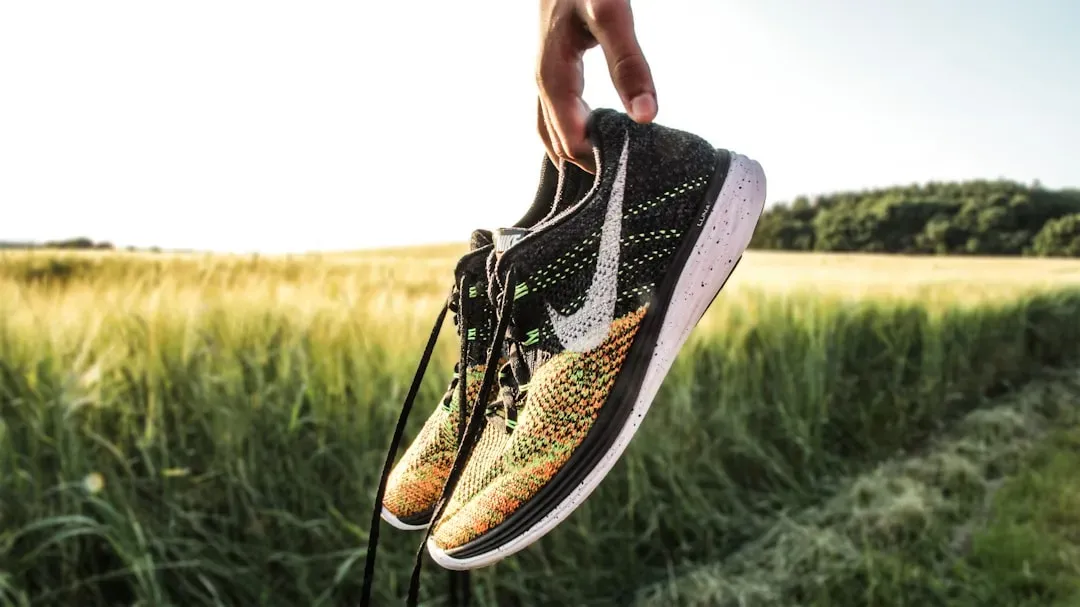
Quality shoes built with better materials and construction methods tend to outlast bargain options by a wide margin. Recent consumer reports from 2025 highlight how durability has become a top priority for shoppers who notice that well-made pairs reduce the need for frequent buys. One analysis pointed out that premium footwear can remain comfortable and functional for two decades with basic care, while cheaper versions often need replacing every couple of years.
This difference shows up clearly in cost-per-wear calculations. A higher upfront investment spreads across many more months of use, lowering the effective price each time you step out the door. Shoppers who track their spending report fewer returns and less frustration when they choose pieces designed to last rather than those priced to move quickly.
A Mattress Worth the Investment

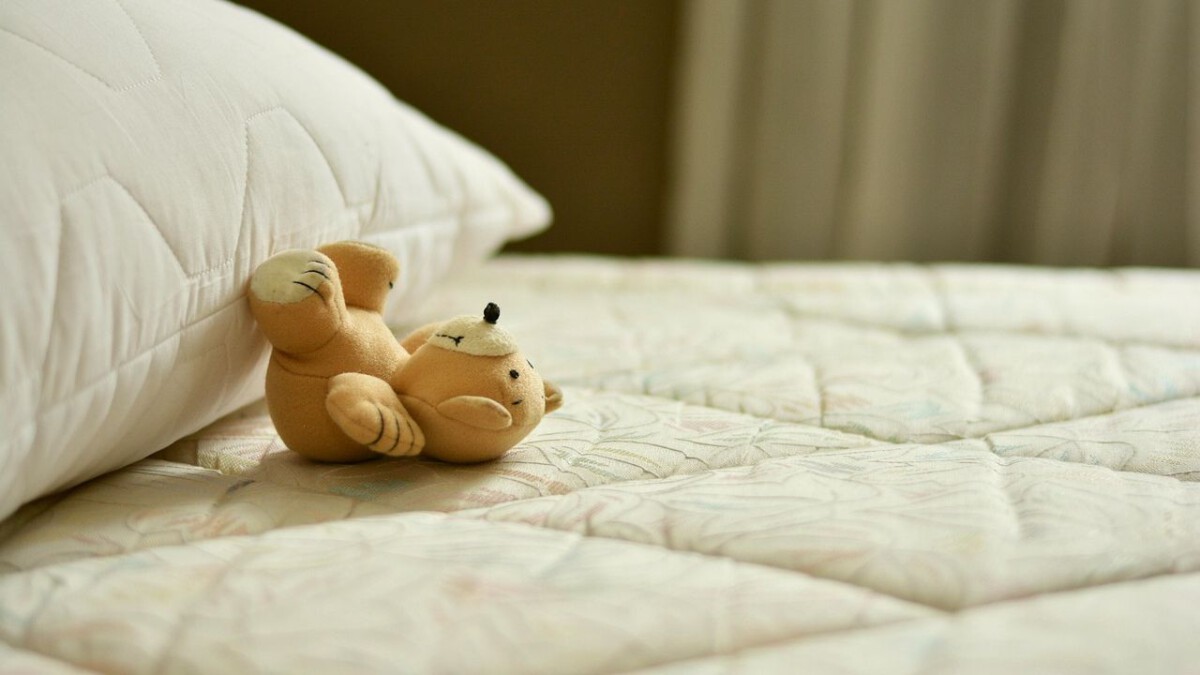
Research on sleep quality continues to link better rest with improved daily performance and fewer health issues. Mattresses made with durable components maintain support longer than budget models that sag within a few years. Industry data from 2026 shows the average mattress lasts around seven years, yet higher-quality versions often deliver consistent comfort well beyond that mark.
The financial upside appears in reduced medical visits and steadier productivity at work. Studies estimate that poor sleep costs the economy billions annually through lost output, making a supportive bed a practical step toward avoiding those downstream expenses. Consumers who upgrade once find they avoid the cycle of buying replacements every few seasons.
Tools Built for Repeated Use

Professional-grade tools resist wear and maintain precision even after heavy daily handling. Reports from tool specialists in late 2025 note that inexpensive versions frequently break or dull quickly, forcing buyers back to the store for replacements. The added downtime and potential for wasted materials or minor injuries push the true expense higher than the sticker price suggests.
Premium options, by contrast, deliver reliable results across many projects without constant sharpening or repairs. Machining studies indicate that higher-quality coatings alone can extend tool life by two to three times, cutting overall ownership costs despite the larger initial outlay. Users who switch report fewer interruptions and more consistent outcomes on the job.
Outerwear That Stands the Seasons

A well-constructed winter coat uses reinforced stitching and weather-resistant fabrics that protect against repeated exposure to cold and moisture. Shoppers who compared options in recent years found that a single durable jacket often outlasts several low-cost alternatives bought year after year. Simple arithmetic shows the savings: five seasons of fifty-dollar coats total two hundred fifty dollars, while one solid piece at a similar total price covers the same period and beyond.
Quality outerwear also tends to retain its shape and insulation properties longer, reducing the need for extra layers or emergency purchases during sudden weather shifts. This reliability adds up in both comfort and wallet protection over multiple winters.
Kitchen Knives That Stay Sharp
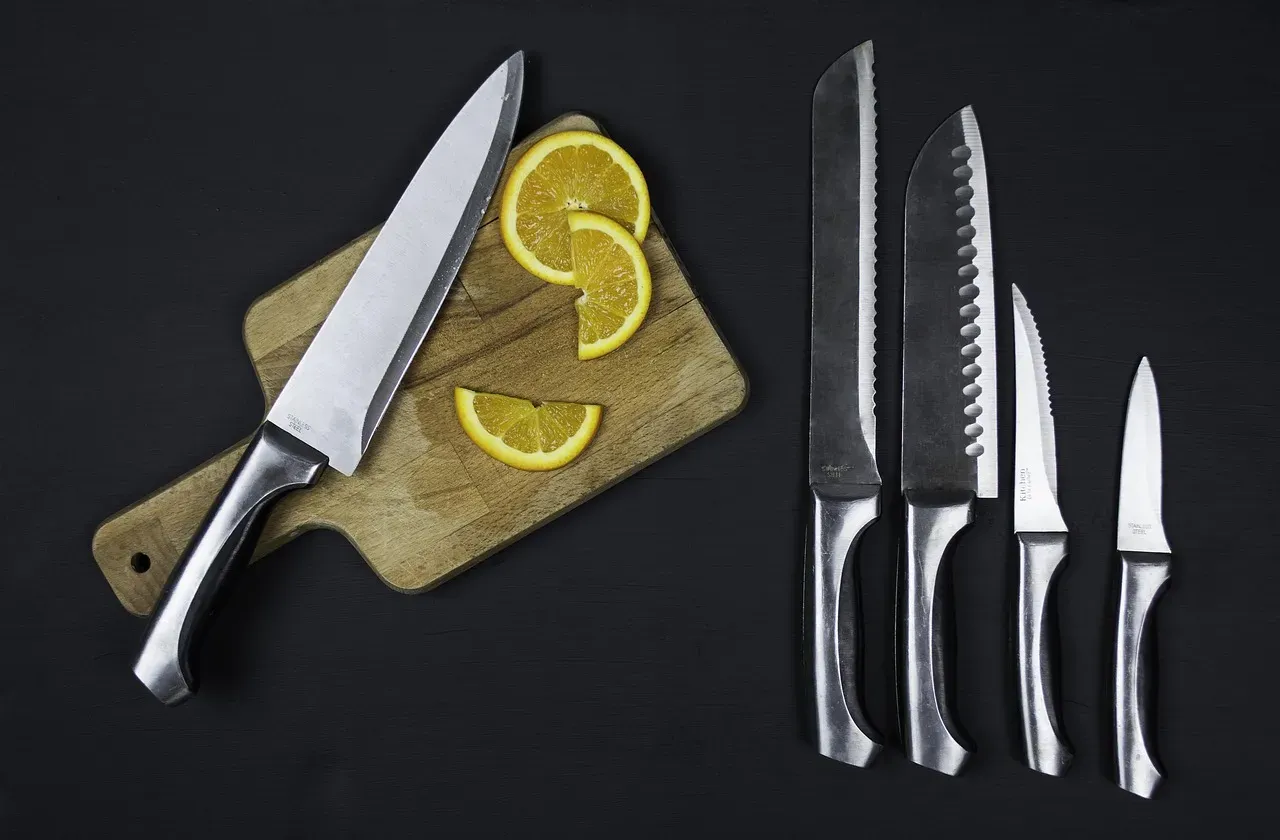
High-carbon steel blades hold an edge through hundreds of uses before requiring professional sharpening. Budget knife sets made from softer metals lose sharpness after only a few months, leading to replacements every year or two according to kitchen equipment comparisons from 2025. Over a decade the repeated purchases of inexpensive sets can exceed the cost of one solid set that serves for fifteen years or more.
Beyond replacement frequency, quality knives reduce food waste from uneven cuts and lower the risk of slips during meal prep. Home cooks who invest once describe smoother workflows and fewer trips back to the store for new blades.
Choosing durable versions of these everyday items shifts spending from constant replacements to a single thoughtful purchase. The pattern holds across different budgets and lifestyles, rewarding patience at the checkout with quieter finances down the road.