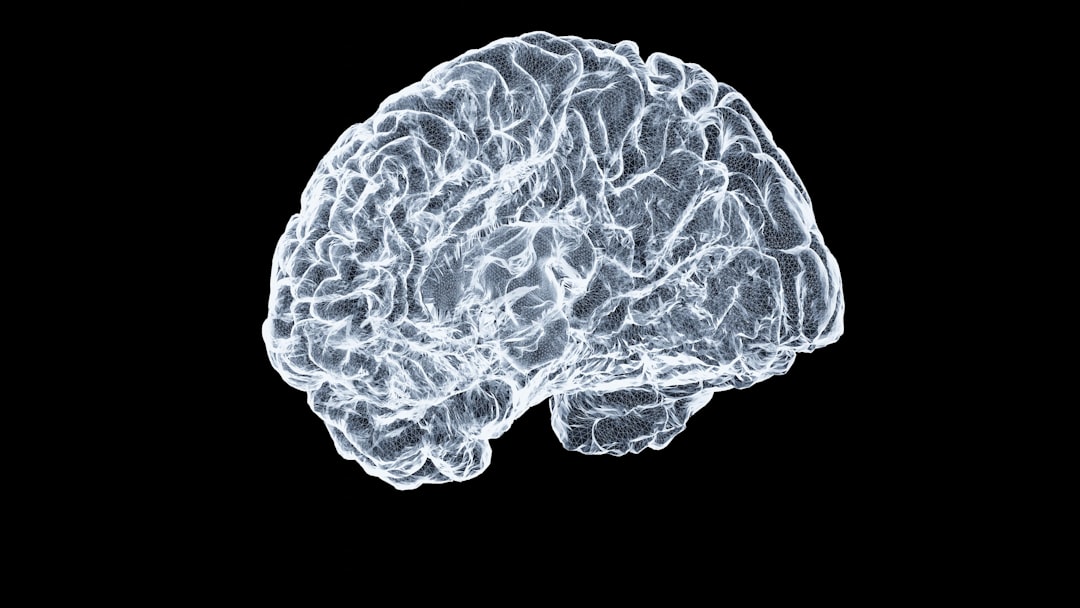

People often describe a sudden sense of knowing something without being able to explain why. This sensation, commonly called a gut feeling, arises from signals traveling between the digestive system and the brain. Recent research has begun to map out the biological pathways that make these impressions possible.
Scientists now recognize that the body gathers and processes internal information long before conscious thought catches up. The process involves nerves, microbes, and specialized brain regions that monitor the state of organs. Understanding these mechanisms helps explain why such feelings sometimes prove reliable in guiding choices.
Defining Interoception and Its Role

Interoception refers to the nervous system’s ability to sense and interpret signals from inside the body. These signals include changes in heart rate, digestion, and temperature that the brain uses to maintain balance. Researchers describe it as an internal monitoring system that operates continuously without requiring deliberate attention.
Studies from recent years show that interoception contributes to how people experience emotions and make judgments. When these internal cues align with external events, the result can feel like an instinctive awareness. Workshops held in 2024 brought experts together to explore how disruptions in this process relate to various health conditions.
The Vagus Nerve as a Direct Link
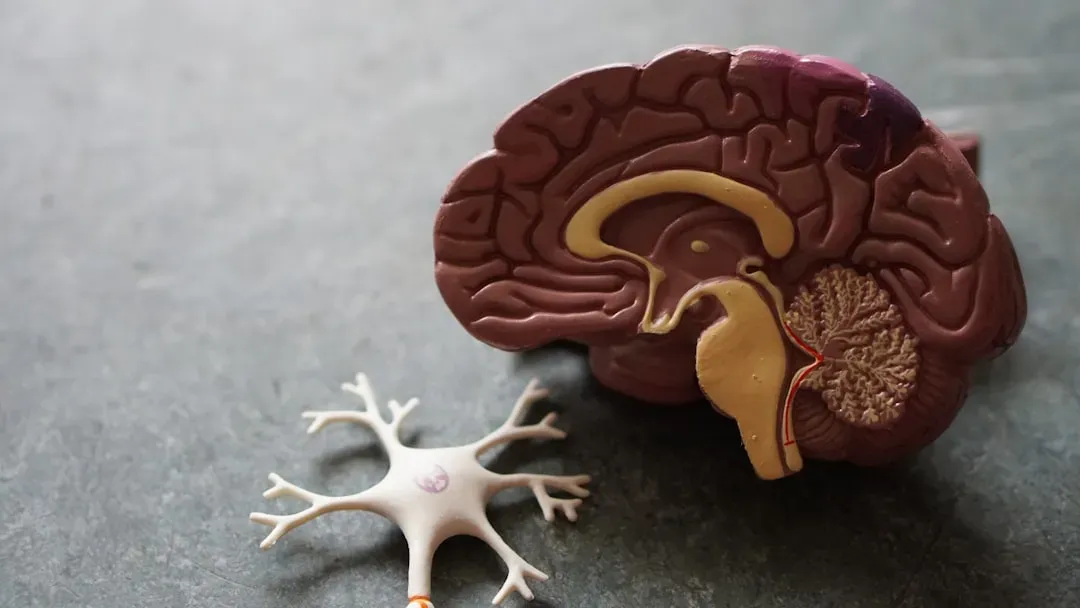
The vagus nerve serves as a major communication channel between the gut and the brain. It carries information about digestion, inflammation, and nutrient levels upward while sending regulatory signals back down. This two-way traffic allows the brain to receive updates from the intestines almost in real time.
Activation of the vagus nerve has been shown to influence areas involved in memory and emotional regulation. In animal models, strengthening these signals improved performance on tasks that require quick recognition of new information. The nerve’s role helps account for why physical sensations in the abdomen can precede clear verbal explanations of a situation.
Gut Microbes Shaping Brain Activity
Trillions of bacteria in the intestines produce compounds that travel through the bloodstream and along nerve pathways. These microbial byproducts can affect neurotransmitter levels and inflammatory responses in the brain. Changes in the composition of gut bacteria therefore alter the quality of signals reaching higher brain centers.
Research published in 2026 demonstrated that age-related shifts in these microbes weaken communication with the hippocampus. The resulting reduction in signaling contributed to poorer memory performance in older subjects. Restoring balance through targeted interventions reversed some of those effects in the studied models.
Evidence from Controlled Experiments

Scientists have used imaging and stimulation techniques to observe how gut signals reach conscious awareness. Participants in various trials reported stronger intuitive responses when internal bodily states were heightened through controlled means. These findings support the idea that the body registers relevant patterns before the mind articulates them.
A 2026 study at Stanford Medicine linked specific microbial changes to measurable declines in cognitive tasks. Researchers restored function by directly stimulating the vagus nerve, showing a clear causal pathway. Such work provides concrete data rather than relying solely on self-reported experiences.
Application in Daily Decision Making

Many people notice gut sensations when evaluating options under time pressure. The body appears to integrate subtle cues from past experiences stored in physiological responses. This integration can produce a sense of rightness or caution that feels immediate.
Experiments indicate that individuals who attend to these bodily signals sometimes reach conclusions faster than those who rely only on deliberate analysis. The advantage appears most noticeable in familiar domains where patterns have been encountered repeatedly. Over time, repeated exposure strengthens the connection between internal feedback and accurate outcomes.
Connections to Emotional Well-Being

Disruptions in interoceptive processing have been associated with heightened anxiety and mood fluctuations. When the gut-brain pathway carries inconsistent information, the brain may interpret neutral signals as threats. This misreading can amplify feelings of unease without an obvious external cause.
Therapeutic approaches that target vagal tone have shown promise in reducing symptoms in certain clinical groups. Participants often report greater emotional stability after sessions that enhance the clarity of internal signals. These observations suggest that improving bodily awareness can support steadier mental states over time.
Insights into Aging and Cognitive Health
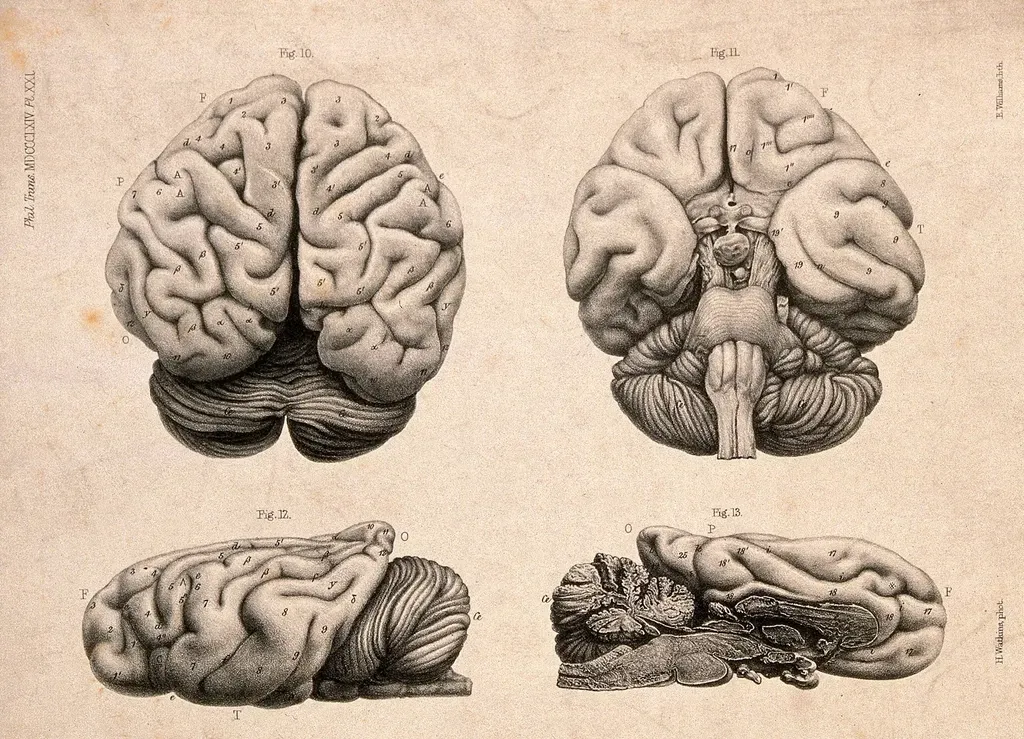
Age brings predictable changes in gut microbial diversity that affect neural communication. A March 2026 publication in Nature detailed how these shifts impair memory formation through reduced vagal signaling. Older mice in the study performed better on spatial tasks once the pathway was supported through external means.
Human applications remain under investigation, yet the animal data point to modifiable factors. Maintaining microbial health through diet and lifestyle may help preserve the quality of interoceptive input. Such preservation could contribute to sustained cognitive sharpness in later years.
Emerging Therapeutic Approaches

Electrical stimulation of the vagus nerve is being tested for conditions involving both gut and brain function. Early trials report improvements in inflammation markers and cognitive measures among participants. The technique offers a way to amplify helpful signals without relying solely on medication.
Researchers continue to explore combinations of microbial therapies and nerve modulation. These combined strategies aim to restore clearer communication along the gut-brain axis. Ongoing work from 2025 and 2026 indicates measurable benefits in targeted populations.
Recognizing When Signals May Mislead

Not every bodily sensation reflects accurate information about the outside world. Stress, illness, or recent meals can distort the messages traveling along the vagus nerve. In such cases, the resulting feeling may point in an unhelpful direction.
Training in interoceptive awareness helps individuals distinguish useful cues from noise. People who practice noticing bodily states without immediate reaction often report better calibration over time. This skill develops through consistent attention rather than sudden insight alone.
Looking Ahead at Personal Health Practices

Simple habits such as mindful breathing and balanced nutrition support the conditions that allow clear internal signals. These practices do not guarantee perfect intuition yet they create a more stable foundation for the body to communicate with the brain. Individuals who incorporate them regularly describe greater confidence in their own assessments.
The science continues to evolve, with new studies refining understanding of the precise molecules and pathways involved. Paying attention to physical sensations alongside logical analysis offers one practical way to draw on the full range of available information. Over time, this balanced approach can lead to decisions that feel both grounded and informed.