

The Inflation Reduction Act as the Foundation

The Inflation Reduction Act of 2022 allocated nearly nine billion dollars specifically for residential energy efficiency and electrification efforts. This funding supports both tax credits and direct rebates that states now administer to help residents improve their homes. According to Treasury Department reports, more than three point four million families claimed over eight point four billion dollars in related tax credits during 2023 alone.
These resources target common upgrades such as sealing drafts and installing high performance equipment. The goal remains reducing overall household energy use without requiring full out of pocket payments upfront. States continue to roll out these options even as some federal tax provisions have shifted.
Recent Changes to Federal Tax Credits

Federal tax credits for energy efficient home improvements reached their end after December thirty first of twenty twenty five. Homeowners who completed qualifying work by that deadline could still claim benefits like thirty percent of costs up to certain annual limits. The Energy Efficient Home Improvement Credit covered items including insulation, windows, and heat pumps.
With those credits no longer available for new projects in twenty twenty six, attention has turned fully to rebate programs. The Residential Clean Energy Credit for solar and similar systems followed the same expiration timeline. This transition leaves state run rebates as the primary ongoing support mechanism for most upgrades.
State Administered Rebate Programs
States receive federal grants to operate their own energy rebate initiatives under the Inflation Reduction Act framework. Programs vary by location but generally cover whole home efficiency improvements and specific appliance replacements. The Department of Energy oversees allocations totaling more than eight point eight billion dollars across two main tracks.
Many states launched these efforts in twenty twenty four and twenty twenty five, with additional rollouts continuing into twenty twenty six. Homeowners can check local energy office websites for current availability and application details. This decentralized approach allows programs to address regional climate needs and housing types effectively.
Home Efficiency Rebates for Whole House Upgrades

One key program provides rebates based on measured energy savings from comprehensive retrofits. Participants might receive up to eight thousand dollars when projects achieve at least thirty five percent reductions in energy use. Lower income households often qualify for higher amounts to make deeper improvements feasible.
These rebates focus on measures like adding insulation, air sealing, and efficient HVAC systems. States calculate payouts after verifying performance through audits or modeling. The approach rewards results rather than just specific purchases, encouraging thoughtful whole home strategies.
Home Electrification and Appliance Rebates
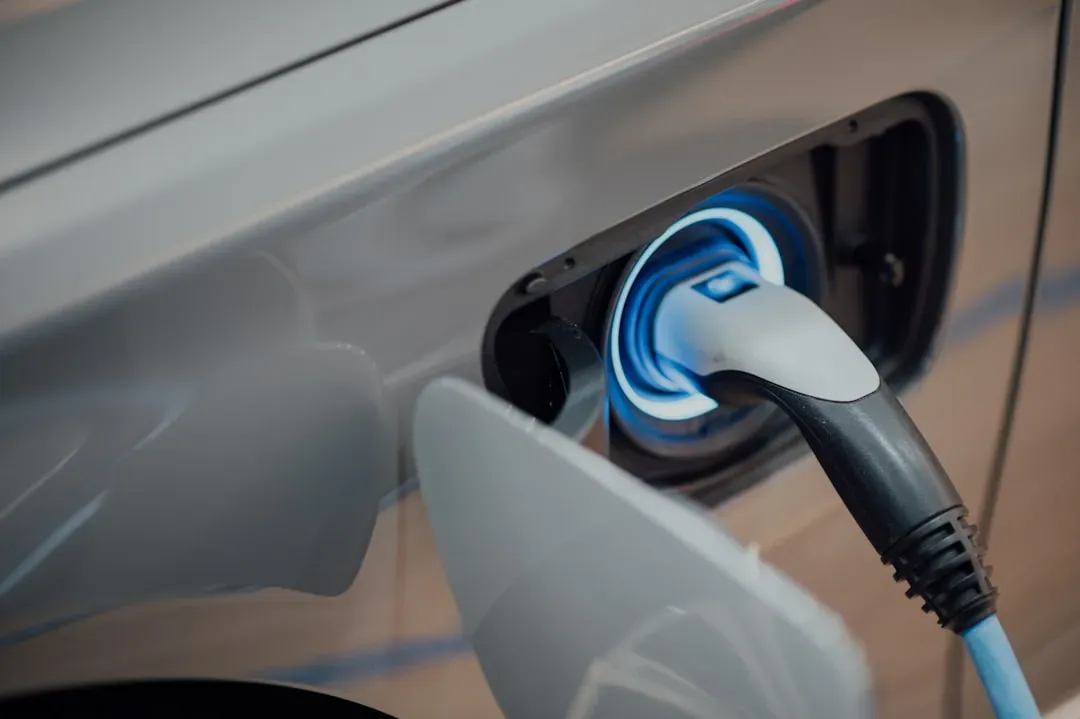
A separate track offers point of sale discounts for switching to electric appliances and systems. Eligible items include heat pumps for heating and cooling, electric water heaters, and induction stoves. Low income households can access rebates covering up to fourteen thousand dollars in total project costs in some cases.
Moderate income families receive partial support, often fifty percent of expenses up to set caps. This program aims to lower barriers for electrification while cutting long term energy expenses. Availability depends on state implementation timelines and remaining funds.
Income Based Eligibility Rules

Rebate amounts frequently scale with household income to prioritize those who benefit most. Households below eighty percent of area median income typically receive the largest incentives. Documentation of income helps determine exact qualification during the application process.
These tiers ensure broader access across different economic groups. Programs often exclude higher income applicants from the top rebate levels to stretch limited funds further. Checking state specific guidelines provides the clearest picture of personal eligibility.
Steps to Access Available Rebates
Start by visiting the Department of Energy home energy rebates portal to see which programs operate in your area. Many states require pre approval or contractor involvement before work begins. Completing a home energy audit often serves as the first practical step.
Once approved, select qualified contractors and submit required paperwork after installation. Processing times vary but can lead to direct payments or reduced purchase prices. Keeping detailed records of all expenses and savings helps smooth the experience.
Real Savings Reported by Participants
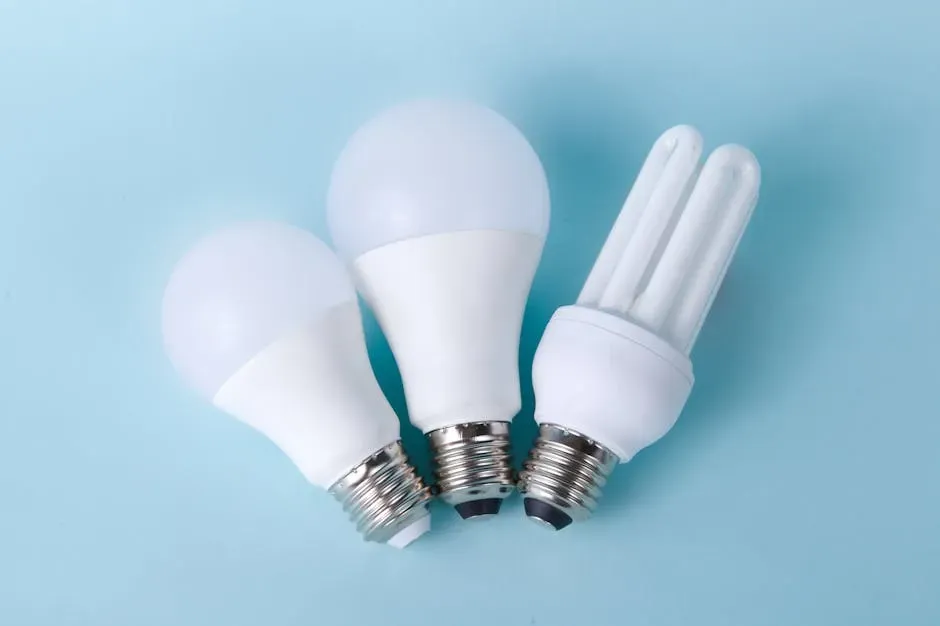
Early users of these rebates describe noticeable drops in monthly utility bills after upgrades. For instance, adding insulation and a heat pump can cut heating and cooling costs by twenty five percent or more in many climates. The combination of lower energy use and direct financial support accelerates payback periods.
Property values also tend to rise with documented efficiency improvements. Homeowners report greater comfort year round alongside the financial gains. These outcomes align with broader goals of reducing national energy demand.
Current Landscape in Twenty Twenty Six
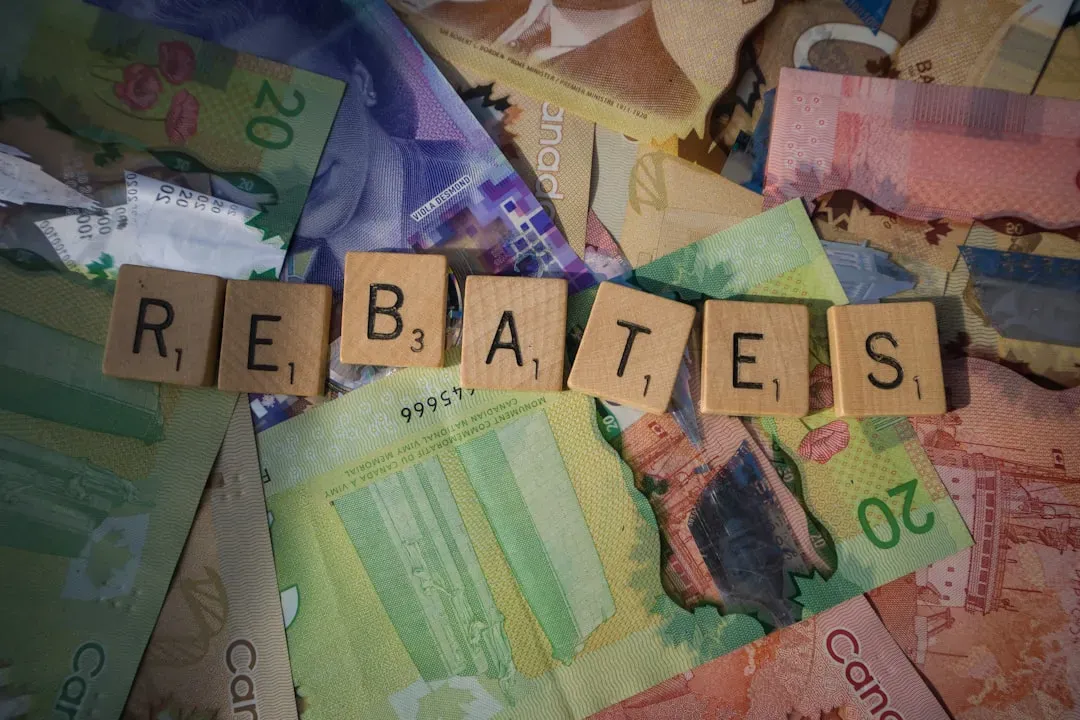
As of mid twenty twenty six, dozens of states have active or soon launching rebate programs. Some areas report high demand leading to waitlists or phased rollouts. Federal oversight continues even amid occasional policy discussions about program adjustments.
Utility companies sometimes layer additional incentives on top of state rebates. This stacking can further reduce net costs for qualifying projects. Staying informed through official channels remains the best way to track local opportunities.
Practical Tips for Homeowners
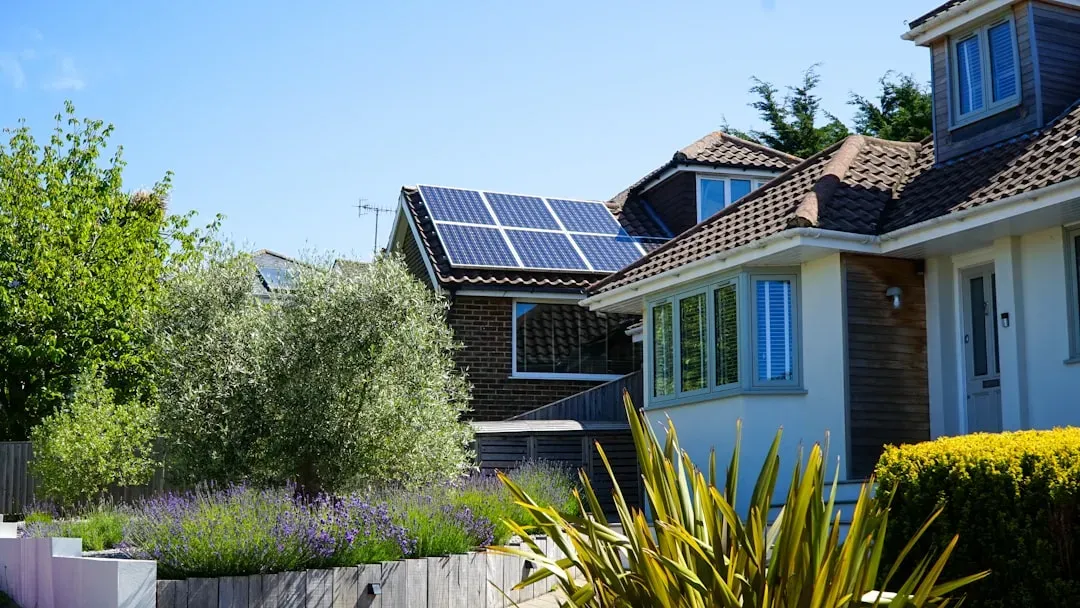
Begin with a professional energy assessment to identify the highest impact upgrades for your specific home. Prioritize measures that qualify for the largest rebates first. Working with certified contractors familiar with program requirements avoids common pitfalls.
Compare offers from multiple providers and confirm all incentives before signing contracts. Planning projects during shoulder seasons can sometimes speed up approvals. These steps help maximize the government support available for meaningful home improvements.