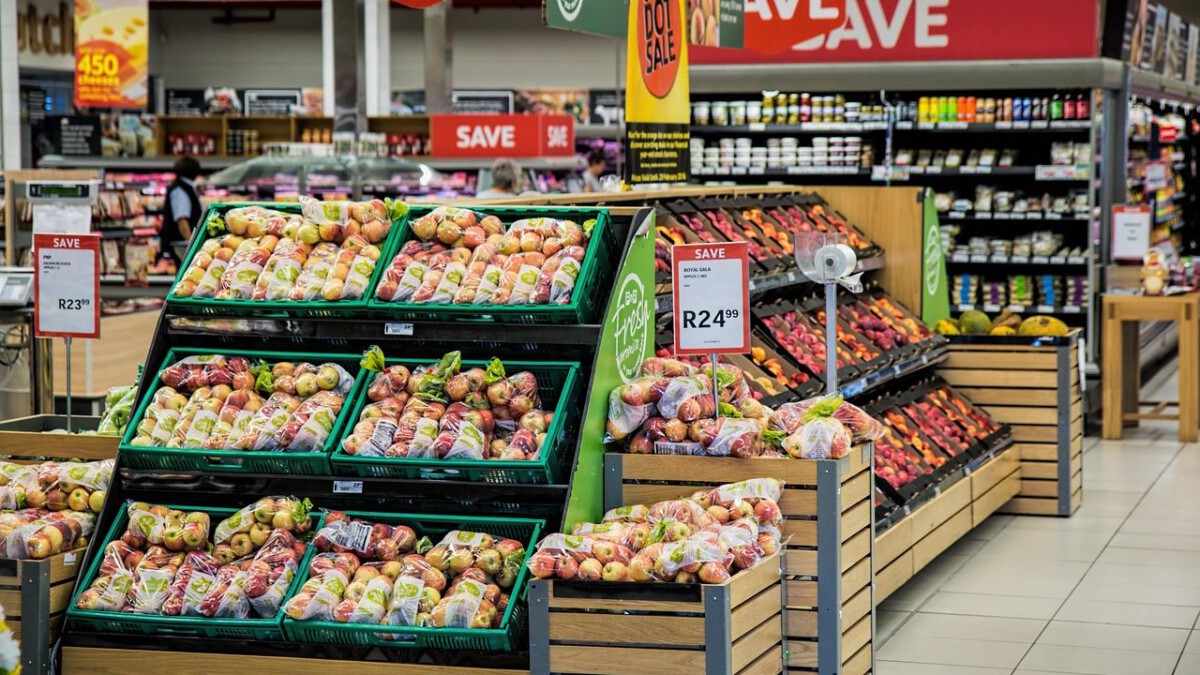
Sugar Crackdown: 4 States Ban Candy & Soda for SNAP Users – Are More Restrictions Coming? – Image for illustrative purposes only (Image credits: Pixabay)
Millions of Americans who use SNAP benefits now encounter new limits when buying groceries. Several states have started blocking purchases of soda, candy, and similar sugary products with federal food assistance funds. The changes mark a notable shift in how public nutrition programs operate and affect daily shopping for low-income households.
States Already Enforcing the New Limits
Indiana, Iowa, Idaho, and Utah began applying the restrictions in 2026. Indiana blocks soft drinks and candy outright. Idaho follows a similar approach for the same items. Iowa took a wider stance by limiting many taxable foods, which covers soda, candy, and certain snacks. Utah chose to focus first on sugary drinks after lawmakers found it difficult to define candy clearly under state rules.
| State | Key Restrictions | Start Year |
|---|---|---|
| Indiana | Soft drinks and candy | 2026 |
| Iowa | Soda, candy, and taxable snacks | 2026 |
| Idaho | Soda and candy | 2026 |
| Utah | Sugary soft drinks | 2026 |
These early programs serve as tests for how well the limits work in practice. Retailers must adjust their systems to flag ineligible items at checkout.
Additional States Prepare Rollouts
More states have received federal approval to move forward. Arkansas, Texas, Louisiana, Missouri, Nebraska, North Dakota, South Carolina, and Tennessee plan phased starts through 2028. Arkansas will prohibit sugary drinks, candy, and certain sweetened beverages beginning July 1, 2026. Some states target only beverages while others include energy drinks and prepared desserts. Federal officials treat the waivers as pilot efforts to track spending patterns and health effects over time.
Key points for SNAP users and retailers:
- Product definitions vary by state and can change without notice.
- Some items like certain chocolate bars remain eligible if they contain flour.
- Regular reports on complaints and compliance are required from participating states.
Practical Challenges and Policy Debates
Store staff and benefit recipients report confusion over which products qualify. Flavored waters or sports drinks may be blocked in one location but allowed in another. Recipients sometimes face delays or questions at the register when an item suddenly becomes ineligible. Supporters, including Health Secretary Robert F. Kennedy Jr., say the rules steer public funds toward better nutrition and help lower long-term costs from obesity and diabetes. Critics argue the limits add stress for families already managing tight budgets and may lead some households to use cash for the same items anyway. Advocacy groups have filed lawsuits in several states over inconsistent rules and potential fairness issues.
The current waivers give federal agencies time to review results before considering wider changes. If the pilots show reduced purchases of unhealthy items, additional states could adopt similar measures in coming years. The outcome will shape how SNAP supports both food access and public health goals.