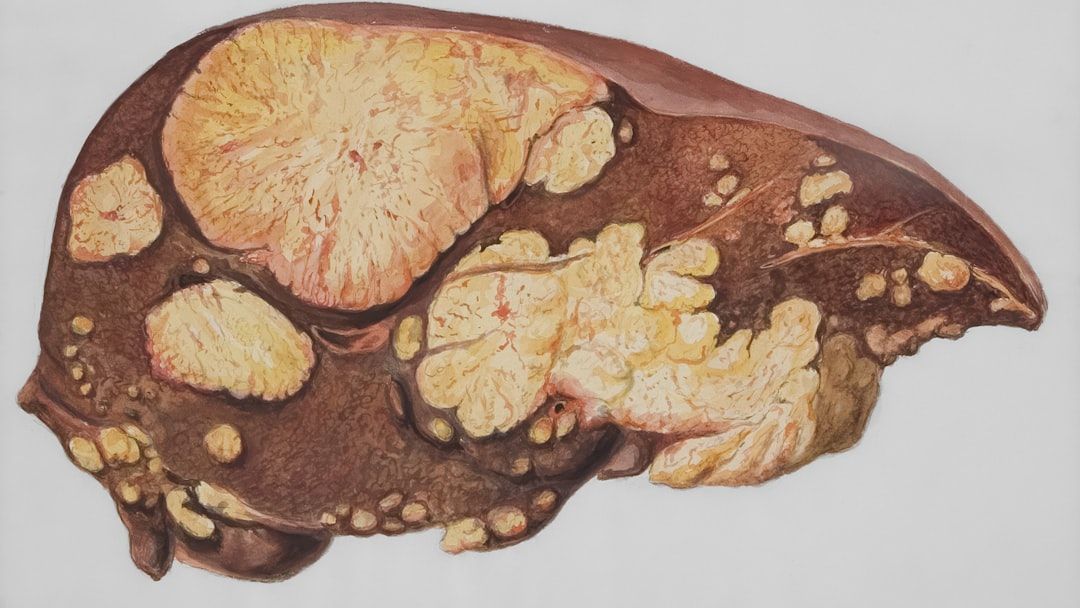

The Liver Handles Hundreds of Vital Jobs Every Day
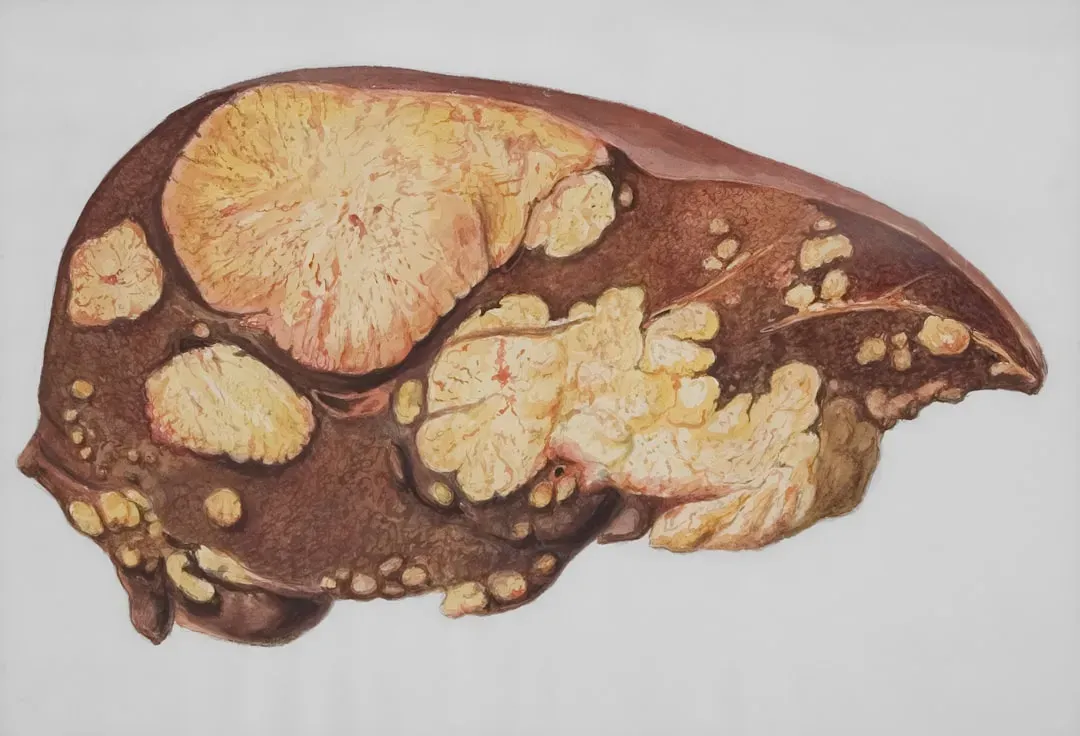
The liver performs more than 500 essential functions in the human body, including filtering toxins, producing bile, regulating nutrients, and processing medications. This organ works around the clock to keep everything in balance. It breaks down what we eat and drink while also managing waste products that build up from normal metabolism. People often overlook how much the liver contributes to energy levels and immune support. Without steady liver function, even simple daily activities become harder over time. The organ also stores vitamins and minerals for later use when the body needs them most. Its role in blood clotting and hormone regulation adds another layer of importance that affects overall wellness. Many adults do not realize these tasks happen quietly until something goes wrong.
Modern life puts extra pressure on this hardworking organ through constant exposure to processed foods and environmental factors. The liver adapts remarkably well but benefits from consistent care rather than quick fixes. Understanding its full range of duties helps explain why sudden detox trends rarely deliver lasting results. Daily habits influence how efficiently the liver operates far more than any single product. Small consistent choices add up to better long term performance. The liver never takes a day off so supporting it steadily makes sense for anyone focused on health.
Detox Products Have Grown Into a Massive Industry

The global detox products market was valued at over 60 billion dollars in recent years driven by growing wellness trends and social media health culture. This figure reflects how many people seek simple solutions for feeling better. Companies market drinks and teas as fast ways to reset the body after periods of indulgence. Social media amplifies these messages with before and after stories that feel compelling at first glance. Yet the sheer size of the market shows how widespread the desire for easy health upgrades has become. Consumers spend significant amounts hoping for noticeable changes in energy or appearance. The trend continues because it taps into a basic wish for control over personal well being. Still the numbers alone do not prove these products work as advertised.
Many buyers turn to these items after seeing friends share positive experiences online. The industry responds by creating new flavors and formulas each season to keep interest high. People appreciate the convenience of a bottle or packet that promises results without major lifestyle shifts. However the market growth also highlights how little most users know about what actually supports their bodies. Sales remain strong because marketing focuses on quick visible outcomes rather than gradual steady progress. This approach keeps the conversation going year after year.
The Body Already Runs Its Own Effective Cleanup System

Medical experts state that the body already has a natural detoxification system involving the liver, kidneys, digestive system, lungs, and skin. These organs work together without any outside help to remove waste and maintain balance. The kidneys filter blood while the lungs expel gases and the skin releases small amounts through sweat. Digestion plays its part by breaking down food and moving material along. This coordinated effort happens every moment of every day. No special drink is required to activate these processes because they stay active on their own. The system proves reliable across different ages and activity levels when basic needs are met.
Many people feel surprised to learn how complete this internal network really is. It handles everyday exposures without complaint as long as overall health stays reasonable. Supporting these organs through regular routines proves more effective than adding temporary products. The natural system adapts to normal variations in diet and activity. It continues functioning even during busy or stressful periods. Understanding this built in capability reduces the appeal of unneeded extras.
Common Liver Conditions Affect Large Numbers of Adults

Non alcoholic fatty liver disease affects approximately one in four adults worldwide making it one of the most common liver conditions globally. This statistic points to how widespread the issue has become in recent decades. Excess fat builds up in the liver even among people who rarely drink alcohol. The condition often develops quietly without obvious early symptoms. Many discover it during routine checkups rather than through noticeable discomfort. Lifestyle factors contribute heavily to its rise across different populations. The numbers continue to climb as diets shift toward more processed options.
Early awareness helps because the liver can improve when given proper support. Simple daily adjustments often make a meaningful difference before problems advance. The prevalence serves as a reminder that liver health deserves attention from younger ages onward. Regular movement and mindful eating help keep fat levels in check. The condition does not appear overnight so steady habits offer the best protection. People benefit from knowing these patterns exist in large groups.
Sugar Intake Directly Influences Liver Fat Levels

Excessive sugar intake especially from sugary drinks and processed foods is strongly linked to increased liver fat accumulation and metabolic disease. The liver processes extra sugar by turning it into fat that stays stored locally. This process happens faster than many realize when sweet beverages form part of daily routines. Over time the added fat affects how the organ functions and responds to insulin. Studies connect higher sugar consumption with greater risks for long term complications. Cutting back on these sources often leads to measurable improvements in liver scans. The connection appears consistent across different age groups and regions.
Replacing sugary options with water or unsweetened alternatives supports the liver without extra effort. Many notice better energy once the daily sugar load decreases. The liver responds positively when given fewer simple sugars to handle. This change fits easily into existing meal patterns. Awareness of hidden sugars in common foods helps avoid unintended buildup. Gradual reductions work better than sudden complete cuts for most people.
Physical Activity Supports Liver Health in Clear Ways

Studies show that regular physical activity can significantly reduce liver fat and inflammation even without dramatic weight loss. Movement improves blood flow and helps the liver process nutrients more efficiently. Even moderate sessions several times a week produce noticeable effects on liver markers. The benefits appear whether the activity involves walking, cycling, or strength training. Consistency matters more than intensity for these outcomes. People who stay active report steadier energy levels alongside better liver readings. The research continues to confirm these advantages across varied populations.
Adding movement does not require gym memberships or special equipment. Daily walks or household tasks contribute when done regularly. The liver benefits from the increased circulation that exercise creates. This approach works alongside other healthy habits without conflict. Many find it easier to maintain activity once they notice small positive shifts. The evidence supports making movement a normal part of the week.
Alcohol Remains a Major Factor in Liver Concerns
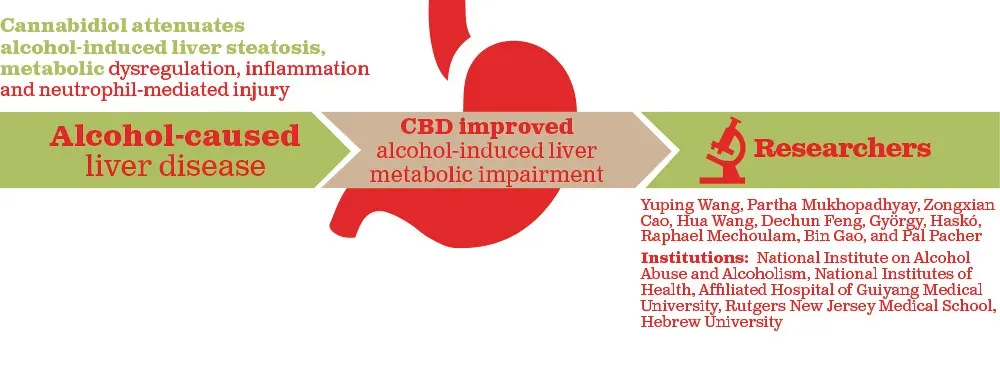
Drinking too much alcohol remains one of the leading causes of liver cirrhosis and liver related deaths worldwide. The liver processes alcohol as a toxin and repeated high intake leads to scarring over time. This damage builds gradually and often goes unnoticed until advanced stages. Global health data links heavy drinking patterns with higher rates of serious liver disease. Reducing intake protects the organ and allows it to recover in many cases. The connection holds across different cultures and age ranges. Awareness of personal limits helps prevent long term issues.
Even occasional heavy sessions add stress that the liver must manage. Spacing out drinks and choosing non alcoholic options on some days lightens the load. The liver shows resilience when given breaks from alcohol. Many adults find moderation easier once they understand the direct impact. Tracking intake for a short period reveals patterns worth adjusting. This knowledge supports better decisions without requiring complete avoidance.
Everyday Habits Offer the Most Reliable Liver Support
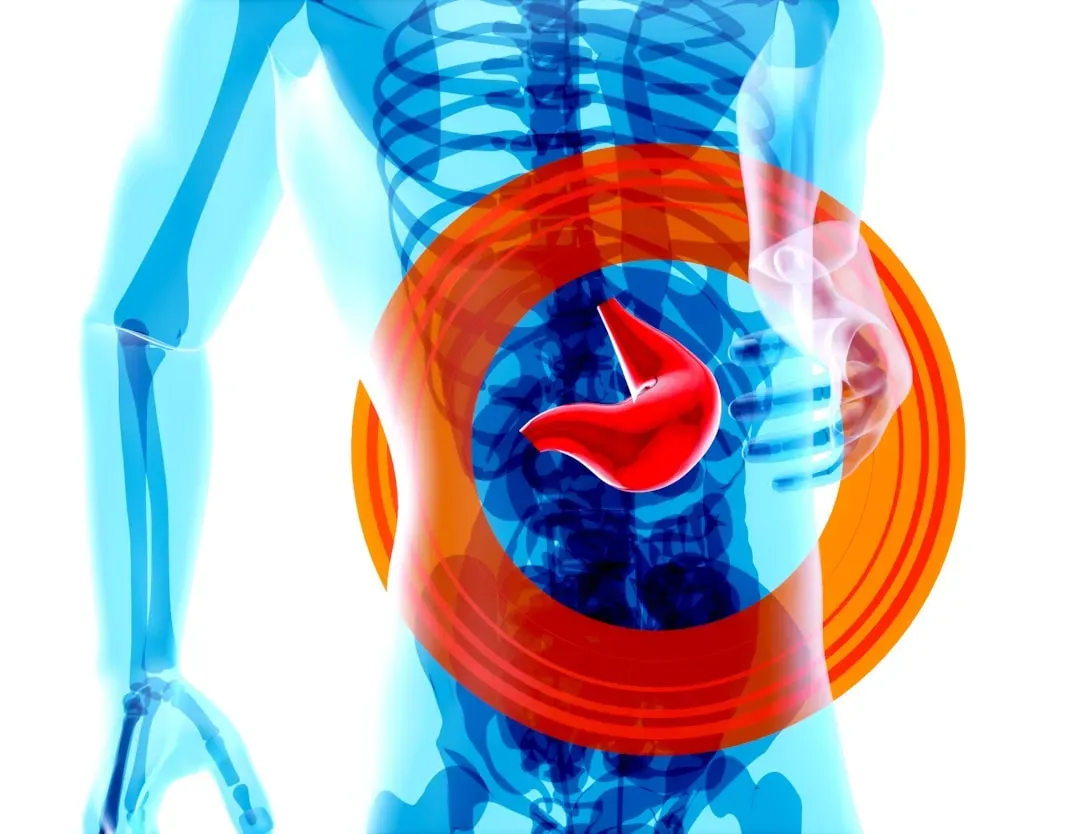
Health professionals consistently recommend balanced nutrition, hydration, adequate sleep, exercise, and reduced alcohol intake as the most effective ways to support liver health naturally. These practices work together to keep the organ functioning at its best. Coffee consumption has been associated with lower risks of liver fibrosis, cirrhosis, and certain liver diseases in multiple large studies. Some herbal detox teas and supplements have been linked to cases of liver injury and toxicity especially when consumed excessively or without regulation. The contrast shows why focusing on proven basics outperforms trendy additions. Sleep allows the liver time to repair while hydration helps flush waste efficiently. Balanced meals provide the nutrients needed for ongoing maintenance.
Combining these elements creates steady progress rather than temporary spikes. People who follow them report feeling more consistent energy throughout the day. The liver responds well to this predictable support over months and years. Avoiding unregulated supplements prevents unnecessary risks. The approach stays simple yet delivers measurable benefits when maintained. Long term commitment to these habits proves more valuable than any short term product.