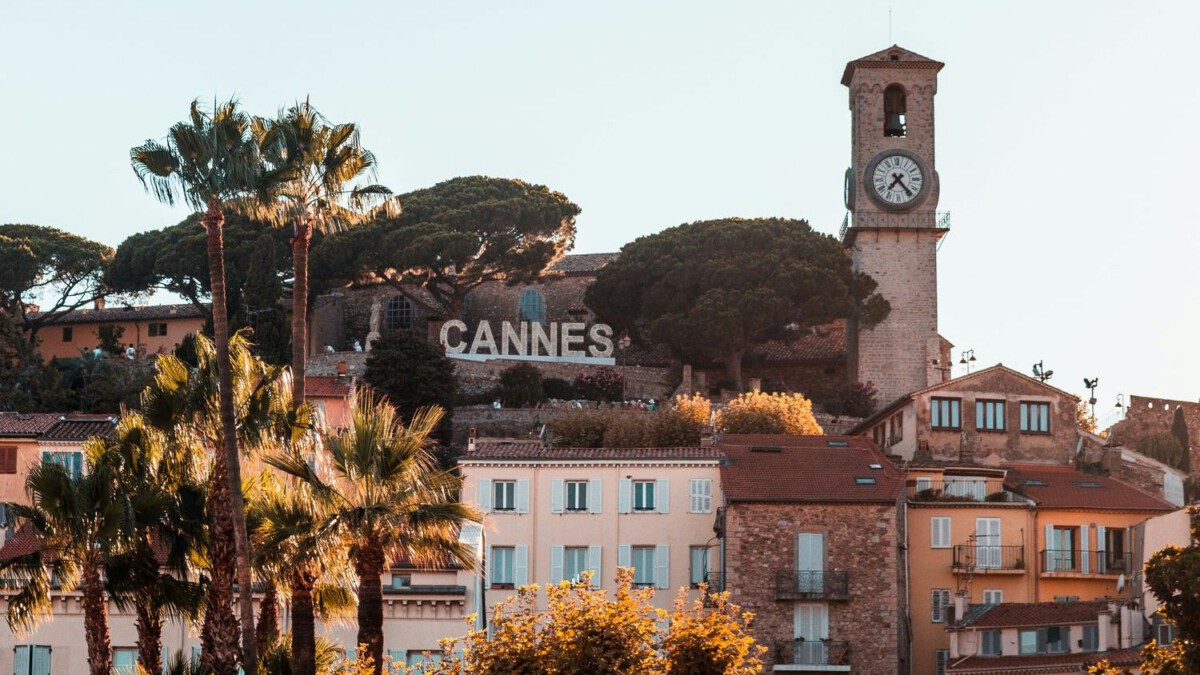
‘Her Private Hell’ Review: Pino Donaggio’s Score Is The Secret Sauce In Nicolas Winding Refn’s Trippy Return To Cinema – Cannes Film Festival – Image for illustrative purposes only (Image credits: Flickr)
Nicolas Winding Refn has stepped back into feature filmmaking with “Her Private Hell,” a project that arrives after a long absence from the big screen. The director’s last feature was “The Neon Demon” in 2016, and this new work represents his first major effort since a serious heart condition left him clinically dead for 20 minutes three years ago. Screened at the Cannes Film Festival, the film delivers a rush of cinematic memories that feel as disorienting and immersive as the Star Gate sequence in “2001: A Space Odyssey.”
Refn’s Road Back to the Director’s Chair
The years since “The Neon Demon” brought Refn face to face with mortality in the most direct way possible. A sudden and severe heart episode forced him to confront the fragility of his own health, yet he emerged ready to create again. That personal recovery now shapes the atmosphere of “Her Private Hell,” giving the project an added layer of intensity that audiences at Cannes immediately sensed.
Many expected Refn to ease back into work with smaller projects or television, but he chose instead to deliver a full theatrical feature. The decision underscores his determination to reclaim the medium that defined his earlier career. Cannes provided the right platform to reintroduce his distinctive vision to the international film community.
A Trippy Blend of Past and Present
“Her Private Hell” pulls viewers through a rapid-fire sequence of visual and thematic echoes from cinema history. The experience mirrors the hypnotic rush of classic science-fiction sequences, where time and space seem to collapse. Refn layers these references into a narrative that feels both nostalgic and freshly unsettling.
The result is a film that rewards viewers familiar with his earlier work while remaining accessible to newcomers. Its trippy quality stems from deliberate pacing and bold stylistic choices rather than simple shock tactics. At Cannes, this approach stood out as a clear evolution of Refn’s signature style.
Donaggio’s Music as the Essential Element
Composer Pino Donaggio supplies the score that holds the entire film together. His music functions as the central force that transforms raw imagery into something emotionally resonant and memorable. Without it, the trippy sequences would lose much of their hypnotic pull.
Donaggio’s contribution draws on a long tradition of atmospheric film scoring while fitting seamlessly into Refn’s modern aesthetic. The music guides the audience through the story’s shifting moods and sudden shifts in tone. Critics at the festival noted how the score elevates every frame, turning potential chaos into a coherent sensory experience.
The collaboration marks a notable pairing of established musical talent with Refn’s distinctive directorial voice. It also signals that the director continues to value the power of sound design as much as visual invention.
Its Place in the Cannes Lineup
Despite its strong presence at the festival, “Her Private Hell” did not appear in the main competition section. The placement still allowed the film to reach a global audience of industry professionals and cinephiles. Refn’s return generated considerable discussion about his health journey and creative resilience.
The screening reinforced his reputation as a filmmaker willing to take risks after personal setbacks. Audiences left the theater talking about the score and the way it anchored the film’s more experimental passages. This reception suggests Refn has found a way to channel his recent experiences into work that feels both personal and cinematic.