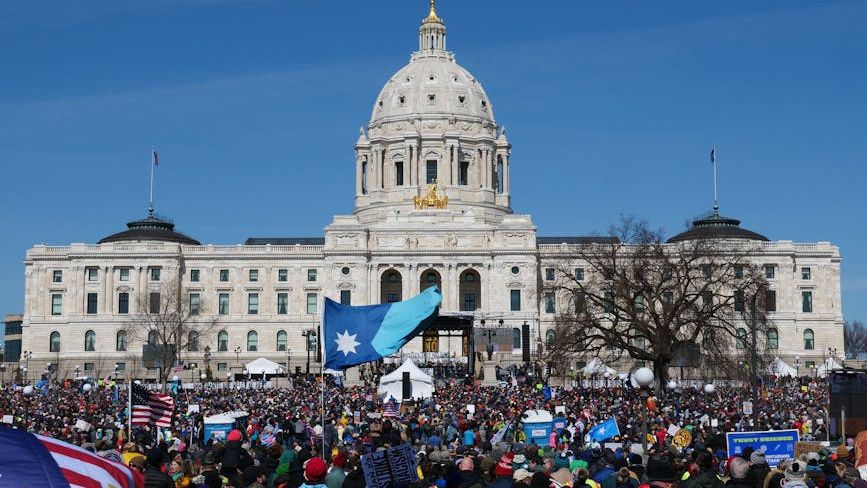
Capitol riot ‘victims’ to share in $2.48 billion compo bonanza – Image for illustrative purposes only (Image credits: Pexels)
The U.S. Justice Department has established a new compensation program worth $1.77 billion to handle claims from individuals who say they faced unfair scrutiny during the prior administration. The initiative comes shortly after President Donald Trump withdrew a separate $10 billion lawsuit against the Internal Revenue Service over an alleged leak of tax records. Officials describe the effort as a way to correct what they view as past misuse of government power, while critics see it as an unusual use of public resources.
Scope of the New Compensation Program
The fund carries the informal label of an “anti-weaponisation” initiative and draws on a symbolic reference to 1776. A five-member commission will oversee claims, with the president retaining authority to remove any member. Processing of applications is scheduled to continue through December 15, 2028, and the department has stated there are no partisan restrictions on who may apply.
Trump himself will receive only a formal apology and no direct payment from the program. Supporters such as MyPillow founder Mike Lindell have already indicated they expect to seek reimbursement for legal costs and business impacts they attribute to earlier investigations. The department has framed the fund as a mechanism to reimburse legal fees and other hardships tied to cases ranging from the Russia-related inquiries to charges connected with the January 6, 2021, Capitol events.
Earlier Settlements That Set the Pattern
The announcement follows two prior resolutions reached with prominent Trump allies. Michael Flynn received more than $1 million after settling a $50 million claim that accused the FBI of entrapment during the early weeks of the first Trump term. Carter Page, a former campaign adviser, also reached a settlement with the Justice Department and FBI over surveillance issues stemming from 2016 contacts.
These cases illustrate a broader approach of using litigation to seek redress for what participants describe as overreach by federal agencies. Legal observers note that the new fund expands this model from individual suits into a standing administrative process open to a wider group of claimants.
Reactions Across Party Lines
Republican Senator Ron Johnson expressed support for compensating citizens when the government has acted improperly. Other GOP lawmakers, including Senators Joni Ernst and John Hoeven, called for closer examination of funding sources and oversight before offering full endorsement. Senator John Kennedy voiced general approval of the concept but raised questions about borrowing to finance payouts.
Democratic leaders offered sharp criticism. Senate Minority Leader Chuck Schumer labeled the fund “depraved” and accused the administration of directing resources toward political allies. Senator Adam Schiff warned that the program could extend payments to individuals involved in the Capitol riot, describing the prospect as obscene amid broader economic pressures facing many Americans. Watchdog groups such as Public Citizen characterized the arrangement as a slush fund for January 6 participants.
What matters now: The fund introduces an open-ended claims process that could reshape how future administrations handle allegations of investigative misconduct, while inviting immediate legal and congressional scrutiny over its scope and independence.
Questions of Oversight and Long-Term Impact
The Justice Department maintains that the commission will operate through a lawful process designed to prevent future weaponization of federal power. Acting Attorney General Todd Blanche, who previously served on Trump’s legal team, stated that the goal is to make right earlier wrongs and ensure such practices do not recur.
Legal experts have pointed out that the fund’s structure, including the president’s removal power over commissioners, may face court challenges from Democrats and oversight organizations. The absence of strict eligibility criteria has already prompted debate over how claims will be verified and whether taxpayer dollars will ultimately support individuals previously charged in connection with the Capitol events.
With applications accepted for more than three years, the program is positioned to influence public discussion about accountability in federal investigations well into the remainder of the current term. Its outcome will likely depend on how the commission defines qualifying cases and how courts respond to any challenges that arise.