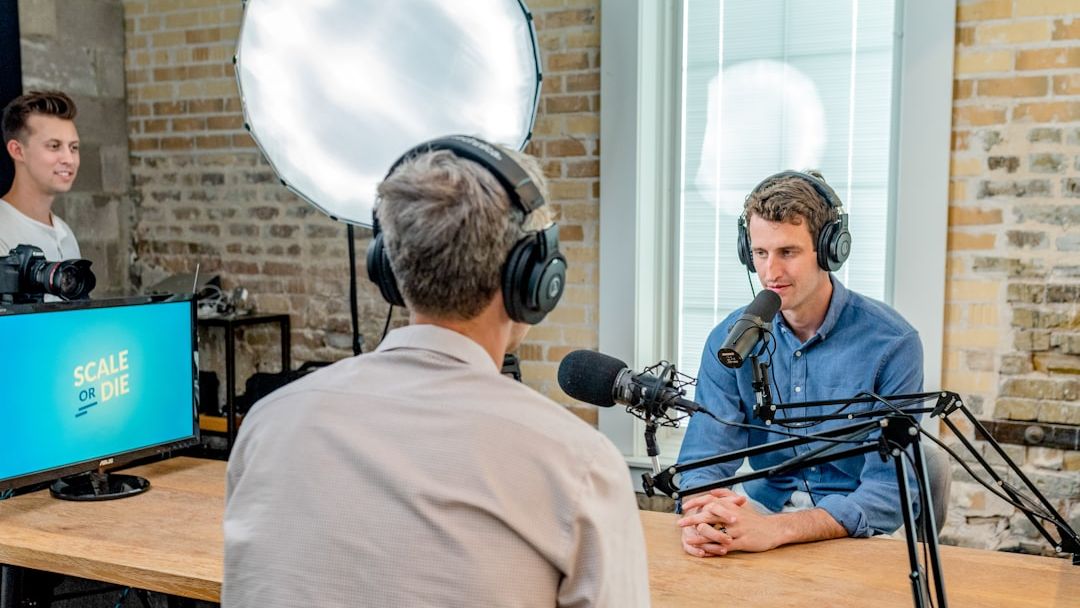
Illinois journalists, podcasters sue tech companies over using their voice to train AI – Image for illustrative purposes only (Image credits: Unsplash)
Nine separate lawsuits filed in Illinois accuse major technology companies of collecting and using the voices of journalists, podcasters, and voice actors to train artificial intelligence systems without obtaining consent. The cases center on allegations that the companies violated the state’s Biometric Information Privacy Act by treating voice recordings as biometric data that requires explicit permission before any commercial use. Plaintiffs argue that their distinctive vocal patterns were harvested from public content and repurposed for AI development, raising questions about ownership of personal audio in an era of rapid machine learning growth.
Core Allegations in the Filings
The complaints describe a pattern in which technology firms gathered large volumes of voice samples from publicly available podcasts, news broadcasts, and other media. According to the lawsuits, this data was then incorporated into training datasets for AI models capable of generating synthetic speech. The plaintiffs contend that no prior notice or authorization was provided, leaving them without control over how their voices might be replicated or monetized in future applications.
Illinois law treats voiceprints as protected biometric information, similar to fingerprints or facial scans. The suits claim that the companies bypassed required safeguards, including written consent and data retention policies, when building their AI systems. This approach, the filings state, exposes the defendants to statutory damages for each instance of unauthorized collection.
Who Stands to Be Affected
The group bringing the actions includes working journalists who regularly appear on air or in recorded segments, podcasters whose episodes reach wide audiences, and professional voice actors whose livelihoods depend on the commercial value of their vocal performances. Each plaintiff maintains that their voice constitutes a unique professional asset that should not be exploited without agreement.
Technology companies named in the suits face potential financial exposure under the Biometric Information Privacy Act, which allows for damages ranging from hundreds to thousands of dollars per violation. Beyond immediate costs, the cases could influence how similar firms handle audio data when developing generative AI tools that rely on real human voices for realism and accuracy.
Broader Implications for AI Development
These lawsuits arrive at a moment when voice-cloning technology is advancing quickly, enabling the creation of realistic synthetic audio from relatively small samples. If the courts uphold the claims, companies may need to implement stricter consent protocols or shift toward synthetic or licensed datasets to avoid liability. Such changes could slow certain AI projects or increase production expenses for developers seeking high-quality training material.
At the same time, the litigation highlights an ongoing tension between open access to public media and individual rights over personal characteristics. Observers note that rulings in these cases could set precedents for other states considering biometric privacy measures, particularly as AI voice applications expand into customer service, entertainment, and education.
Next Steps in the Legal Process
The suits are expected to proceed through discovery and potential motions to dismiss, with both sides likely to present arguments about the scope of Illinois’ biometric statute and its application to digital voice data. Plaintiffs seek injunctive relief to halt further use of the contested recordings, along with monetary damages. Technology firms have not yet filed detailed responses in the public record, though similar past cases have often centered on whether publicly shared content implies consent for secondary uses.
Resolution of these matters could clarify the boundaries of data ownership in the AI era and prompt industry-wide adjustments in how voice samples are sourced and documented. For the individuals involved, the outcome will determine whether their professional voices remain under their control or become raw material for automated systems.