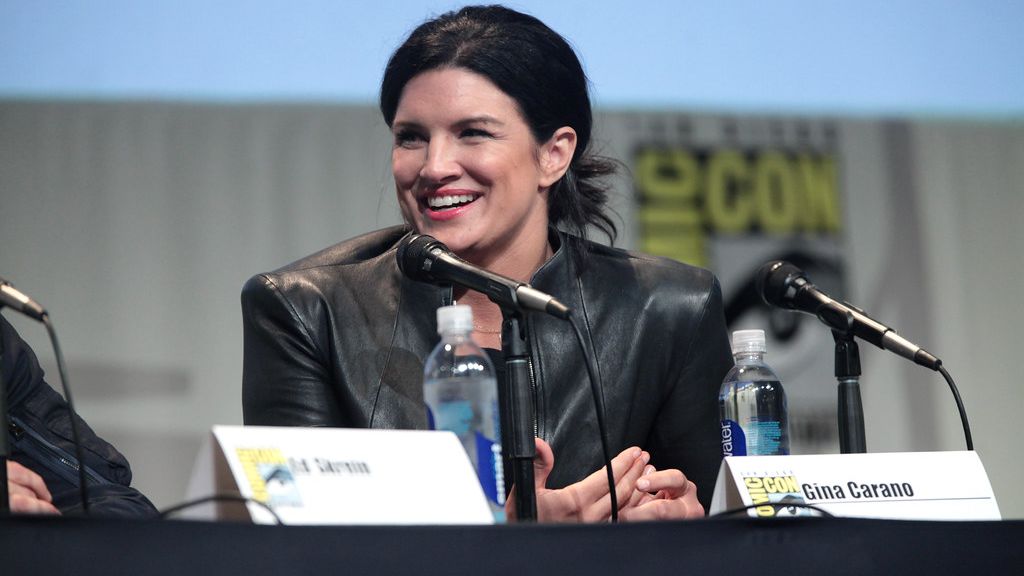
Gina Carano Sends Message on ‘Disappointment’ of Loss to Ronda Rousey – Image for illustrative purposes only (Image credits: Flickr)
In the demanding world of mixed martial arts, a single defeat can reshape an athlete’s path in unexpected ways. Gina Carano recently addressed her bout against Ronda Rousey under the MVP MMA banner, labeling the outcome a disappointment. She also pointed to a silver lining that emerged afterward in the form of meaningful improvements to her overall health.
Recalling the Match and Its Immediate Context
Carano has long been recognized for her contributions to women’s MMA during its early growth phase. The contest with Rousey stood out as a high-profile test that tested both competitors’ skills and resilience. When the final result went against her, Carano chose to frame the experience in measured terms rather than dwell solely on frustration.
Public comments from the fighter emphasized personal accountability alongside recognition of her opponent’s strengths. Such reflections often surface after intense training camps and competitive pressure, where physical and mental demands run high. Carano’s remarks suggest she processed the loss as part of a larger career narrative rather than an isolated setback.
Turning Setback Into Health Progress
One of the more notable elements in Carano’s recent statements concerns the positive effects the loss ultimately produced for her well-being. She indicated that the period following the fight allowed space for adjustments that benefited her physical condition in tangible ways. These changes appear to have extended beyond short-term recovery and into longer-term habits.
Athletes frequently encounter moments when external results prompt internal reevaluation of training loads, nutrition, or rest patterns. In Carano’s case, the disappointment seems to have served as a catalyst for such reevaluation. The outcome underscores how competitive results, even unfavorable ones, can intersect with personal health management in constructive fashion.
Details shared so far remain high-level, leaving room for further clarification on the precise nature of those health improvements. Still, the acknowledgment itself highlights a willingness to extract value from difficult experiences. Observers of combat sports have noted similar patterns in other fighters who later credit losses with prompting beneficial lifestyle shifts.
What This Means for Athletes Facing Similar Moments
Stories like Carano’s illustrate the complex relationship between competitive outcomes and personal development. A loss that registers as disappointing on the surface can still open doors to better self-care practices. This perspective may resonate with others navigating the physical toll of training and fighting at elite levels.
Health considerations in combat sports often receive less attention than win-loss records, yet they form the foundation for sustained careers. Carano’s comments serve as a reminder that recovery and adaptation extend beyond the immediate aftermath of any single event. They also suggest that public figures in the sport can model constructive ways of discussing both setbacks and subsequent gains.
Key points from Carano’s reflections:
- The loss to Ronda Rousey was described as a disappointment.
- Positive health changes followed the bout.
- Personal growth emerged from processing the result.
Carano’s experience adds one more example to the ongoing conversation about resilience in professional fighting. As more athletes speak openly about the full spectrum of outcomes, the focus on long-term health may continue to gain ground alongside traditional measures of success.