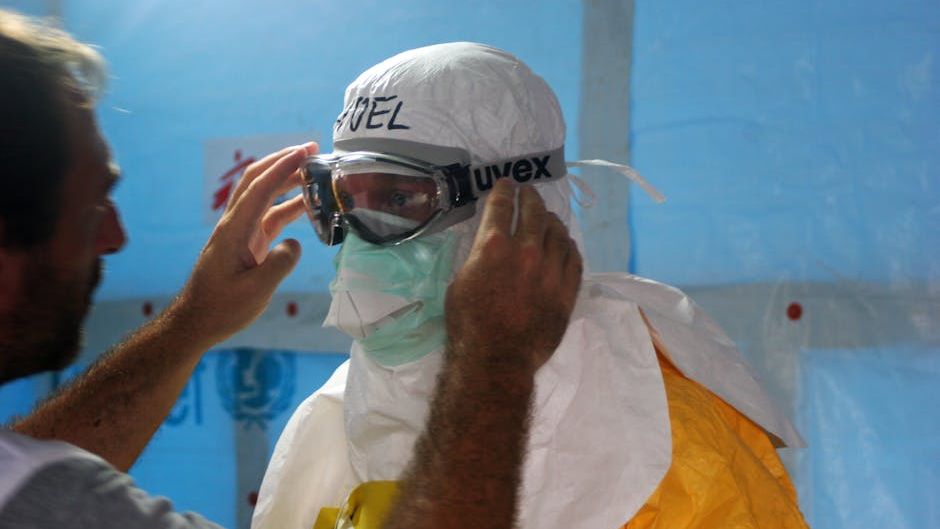
Health workers race to contain Congo’s fast-spreading Ebola outbreak – Image for illustrative purposes only (Image credits: Pexels)
Democratic Republic of Congo – Medical staff in the eastern Ituri Province are working under intense pressure to limit the spread of a new Ebola outbreak that has already produced dozens of suspected deaths and prompted international alarm. The situation has placed frontline workers at particular risk, with several fatalities reported among those providing care in local facilities. Communities in affected health zones face disrupted daily routines as surveillance teams move in to trace contacts and isolate patients. Officials emphasize that early detection remains critical, yet gaps in resources continue to complicate the response.
Current Reach of the Outbreak
Laboratory confirmation has identified eight cases linked to the Bundibugyo strain of the virus, while health authorities have recorded 246 suspected infections and 80 suspected deaths across at least three zones in Ituri Province as of mid-May. Additional confirmed infections have appeared in neighboring Uganda among individuals who traveled from the Democratic Republic of Congo. The pattern suggests possible cross-border movement, which has raised questions about how far undetected transmission may have already occurred. Health officials note that many suspected cases remain in the community, making full containment more difficult than in previous episodes.
Pressures on Frontline Medical Staff
Four deaths among healthcare workers have been linked to symptoms consistent with viral hemorrhagic fever, highlighting vulnerabilities inside treatment settings. These losses have prompted urgent reviews of infection prevention practices, including the availability of protective equipment and proper training for staff. Local hospitals in Bunia and surrounding areas have received additional tents and supplies to expand isolation capacity, yet staff shortages persist in remote zones. Workers describe the need to balance rapid patient care with strict safety protocols, a balance that becomes harder when cases arrive in clusters.
Steps Underway to Limit Further Spread
Authorities have activated emergency coordination centers and begun scaling up contact tracing in the hardest-hit areas. Key actions include:
- Enhanced screening at health facilities to catch symptoms early.
- Improved laboratory testing to confirm cases faster.
- Community engagement campaigns to encourage reporting of illnesses.
- Support for safe burial practices that reduce transmission risks.
The World Health Organization has declared the event a public health emergency of international concern, which brings additional technical assistance and coordination. The Democratic Republic of Congo’s health ministry has deployed senior officials to the region to oversee the setup of new treatment centers.
What Remains Uncertain
Questions persist about the full extent of community transmission and whether the current measures will prove sufficient before the outbreak grows larger. No approved vaccine or specific treatment exists for the Bundibugyo strain, leaving supportive care as the primary option for patients. International partners continue to monitor developments closely, yet the remote location of many affected villages adds logistical hurdles. The coming weeks will show whether the combined efforts of local teams and outside support can bring the numbers under control.