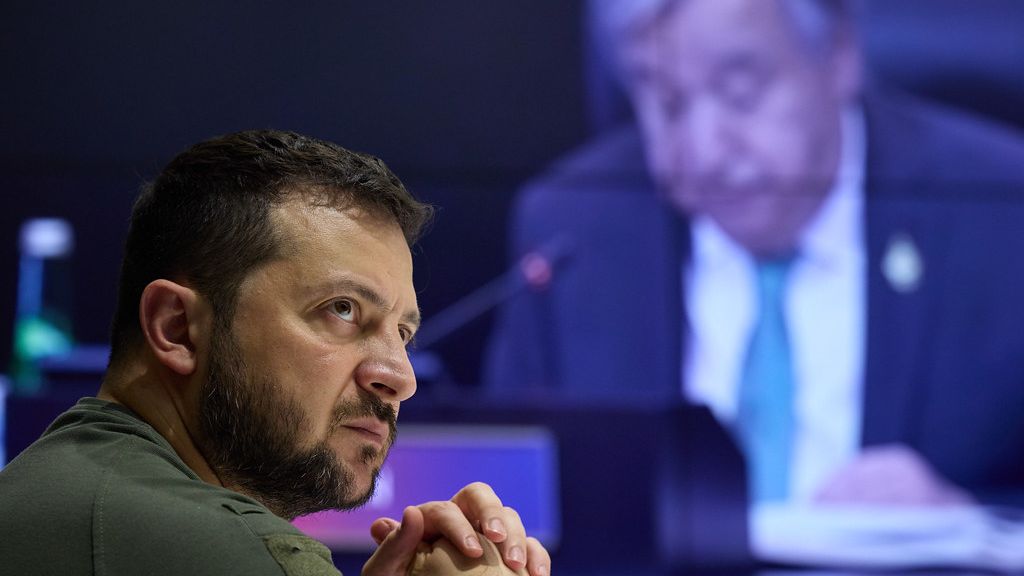
Budapest and Kyiv break the ice – Image for illustrative purposes only (Image credits: Flickr)
Renewed contacts between Budapest and Kyiv carry immediate weight for millions of Ukrainians who see European Union membership as a route to lasting stability after years of war. The shift follows a long period of obstruction from Hungary, raising questions in Brussels about whether long-standing resistance to Ukrainian accession could finally ease. Officials on both sides have begun low-level exchanges that could shape the pace of reforms and security guarantees for the country.
Practical Stakes for a Nation at War
EU membership offers Ukraine access to structural funds, regulatory alignment, and collective defense mechanisms that many citizens view as essential for postwar recovery. Without that path, the country risks prolonged isolation from the economic and political frameworks that have supported other former Soviet states. The human cost remains visible in daily life, where families weigh reconstruction needs against uncertain borders and energy supplies.
Stakeholders range from Ukrainian farmers seeking market access to defense planners counting on deeper integration with NATO-aligned partners. Brussels has tied progress to governance benchmarks, yet the recent thaw suggests room for incremental steps that could unlock early financial support packages.
Years of Obstruction Give Way to Contact
Former Hungarian Prime Minister Viktor Orbán had repeatedly used veto power to slow Ukraine’s candidacy, citing concerns over minority rights and corruption standards. Those blocks created a de facto standstill that frustrated both Kyiv and other member states eager to expand the bloc eastward. Recent meetings mark the first sustained engagement in several years, though diplomats caution that full reversal of Hungary’s position will require domestic political consensus.
Analysts note that any softening would still face hurdles inside Hungary’s ruling coalition and among voters wary of rapid enlargement. The talks therefore focus on technical issues first, such as chapter-by-chapter alignment, rather than immediate political commitments.
EU Looks North While Managing External Influence
Commissioner Jozef Síkela’s upcoming visit to Nuuk for the Future Greenland conference forms part of a wider effort to strengthen ties with Arctic territories. The initiative gains urgency as external actors, including former U.S. President Donald Trump, continue to signal interest in the region’s resources and strategic routes. Greenland’s status as an autonomous territory within the Kingdom of Denmark makes it a natural partner for EU climate and security projects.
These outreach efforts run parallel to the Ukraine file, illustrating how the bloc balances multiple accession and partnership tracks at once. Success in one area could build momentum for others, yet each carries distinct local sensitivities that resist quick resolution.
Parliament Recognizes Lasting Contributions
The European Parliament has introduced its Order of Merit awards, with the first recipients including musician Bono, former German Chancellor Angela Merkel, and basketball player Giannis Antetokounmpo. The honors highlight individuals whose work has advanced European values across culture, politics, and sport. Selection criteria emphasize sustained impact rather than single events.
Observers expect the awards to become an annual fixture that draws public attention to the Parliament’s broader role beyond legislation. The list of honorees also reflects an attempt to connect EU institutions with audiences outside traditional political circles.
Whether the new dialogue between Budapest and Kyiv produces concrete accession steps remains an open question that will affect daily decisions for Ukrainian households and businesses alike. Progress here could set precedents for how the EU handles other candidate countries facing similar external pressures.