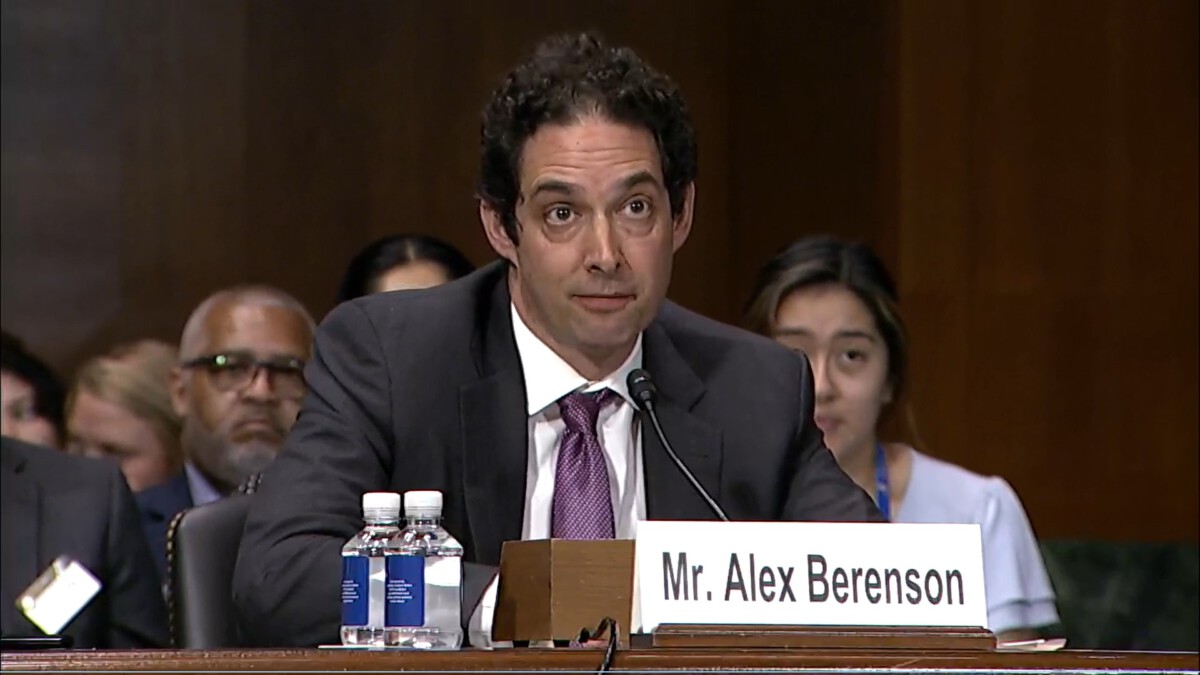
Alex Berenson’s Victory Might Be the First of Many – Image for illustrative purposes only (Image credits: upload.wikimedia.org)
A settlement between Alex Berenson and the Trump administration has resolved claims tied to content restrictions during the Covid-19 period. The agreement arrives while Berenson maintains a separate lawsuit that targets broader efforts to limit online speech. Legal observers view the resolution as a concrete step that could shape how similar disputes proceed in federal courts. The case underscores persistent questions about the boundaries between public health messaging and individual expression rights.
Practical Effects of the Agreement
The settlement closes one chapter in Berenson’s legal challenges without requiring a full trial on the merits of the original claims. Parties involved avoided extended litigation costs and public disclosure of internal communications that might have surfaced during discovery. For Berenson, the outcome frees resources to focus on the remaining lawsuit against other entities accused of coordinating censorship. Government officials, in turn, gain closure on a specific set of pandemic-era decisions while facing continued scrutiny in parallel proceedings.
Stakeholders on both sides now operate under clearer expectations about how future settlements might be structured. The resolution demonstrates that negotiated endings remain available even in politically charged speech cases. It also illustrates the timeline typical of such matters, where initial filings lead to phased resolutions rather than single decisive rulings.
Connection to the Separate Lawsuit
Berenson’s ongoing case continues to examine allegations of coordinated pressure on platforms to suppress certain viewpoints. The recent settlement supplies additional context that attorneys may reference when arguing about patterns of government involvement. Courts handling the active matter could consider the terms reached with the administration as evidence of evolving policy positions. This linkage allows the two proceedings to inform each other without merging into one action.
Plaintiffs in comparable disputes often cite prior resolutions to establish standing or to illustrate the scope of alleged harms. The current arrangement may therefore serve as a reference point for evaluating the strength of remaining claims. Legal teams on both sides will likely monitor how judges weigh the settlement when assessing motions in the primary lawsuit.
What Matters Now
The settlement provides a measurable data point for assessing the viability of challenges to content moderation practices. It also clarifies the practical path forward for Berenson’s remaining litigation and for others who may pursue similar claims.
Forward Path for Related Cases
Future plaintiffs may draw on the terms of this agreement when deciding whether to pursue settlement or continue toward trial. The outcome reinforces that resolutions can occur at different stages without signaling weakness in the underlying arguments. Officials responsible for public communications during health emergencies now have an additional example of how disputes over those communications can conclude. Broader policy discussions around platform liability and government speech may incorporate lessons from both the settled matter and the active lawsuit.
Over time, the combined record could influence legislative proposals or agency guidance on the limits of official involvement in online discourse. The measured pace of these cases suggests that incremental developments will continue to define the legal landscape rather than abrupt reversals.