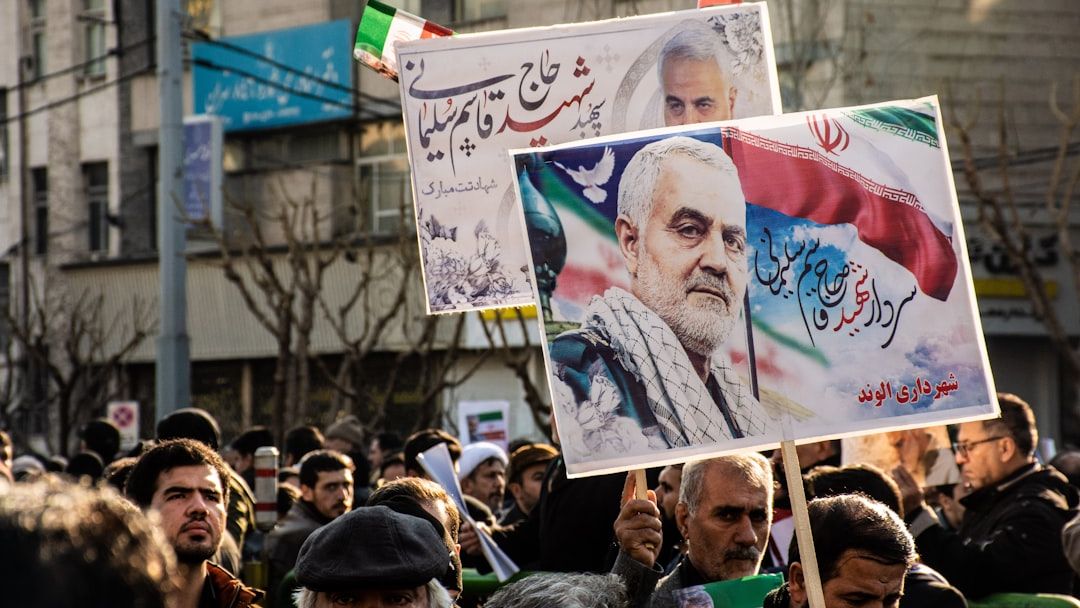
Trump Calls Off New Iran Attack at Request of Gulf States – Image for illustrative purposes only (Image credits: Unsplash)
Washington has postponed a military operation against Iran that had been scheduled for Tuesday, a step taken after direct appeals from several Gulf nations. The decision highlights how regional allies can shape immediate U.S. actions in a volatile part of the world. Officials described the pause as temporary, leaving open the possibility that planning could resume if conditions change.
Sequence of the Decision
The president confirmed that preparations for the strike had advanced to a late stage before the order to stand down was issued. Military units positioned for the operation received new instructions to maintain readiness without executing the planned timeline. This adjustment came after consultations that extended into the hours before the intended launch window.
Defense officials noted that the change required rapid coordination across multiple commands to avoid any unintended escalation. The pause allows additional time for diplomatic channels to operate, though no new date for potential action has been set. Sources close to the discussions indicated that the move was framed internally as a prudent recalibration rather than a permanent reversal.
Input from Regional Allies
Gulf states expressed concern that an immediate strike could trigger wider instability across energy routes and border areas. Their messages emphasized the risk of retaliatory steps that might affect shared security arrangements and commercial shipping lanes. U.S. diplomats relayed these points directly to the White House in the days leading up to the scheduled operation.
The appeals arrived through established channels that have been used in past moments of tension. Several of the nations involved maintain close defense ties with Washington and host U.S. forces on their territory. Their collective stance carried weight because any escalation would likely draw them into the resulting fallout.
Practical Effects on Stakeholders
American forces in the region now operate under revised guidance that keeps assets on alert while removing the immediate launch requirement. Iranian authorities have not issued a formal response, though state media have continued routine commentary on U.S. intentions. Commercial operators in the Gulf have reported no immediate disruption to schedules, yet they remain attentive to any further signals.
Regional governments that raised the initial concerns are monitoring whether the delay produces any shift in Iranian behavior or in broader negotiations. The pause also gives Congress and allied capitals additional time to assess the situation before any renewed consideration of force. Analysts expect continued quiet diplomacy in the coming days as all parties evaluate next steps.
Looking Ahead
The episode illustrates how quickly military timelines can intersect with diplomatic realities in the Middle East. Future decisions will depend on developments on the ground and on the responses from both Tehran and the Gulf capitals. Observers will watch for signs that the current restraint either holds or gives way to renewed pressure.