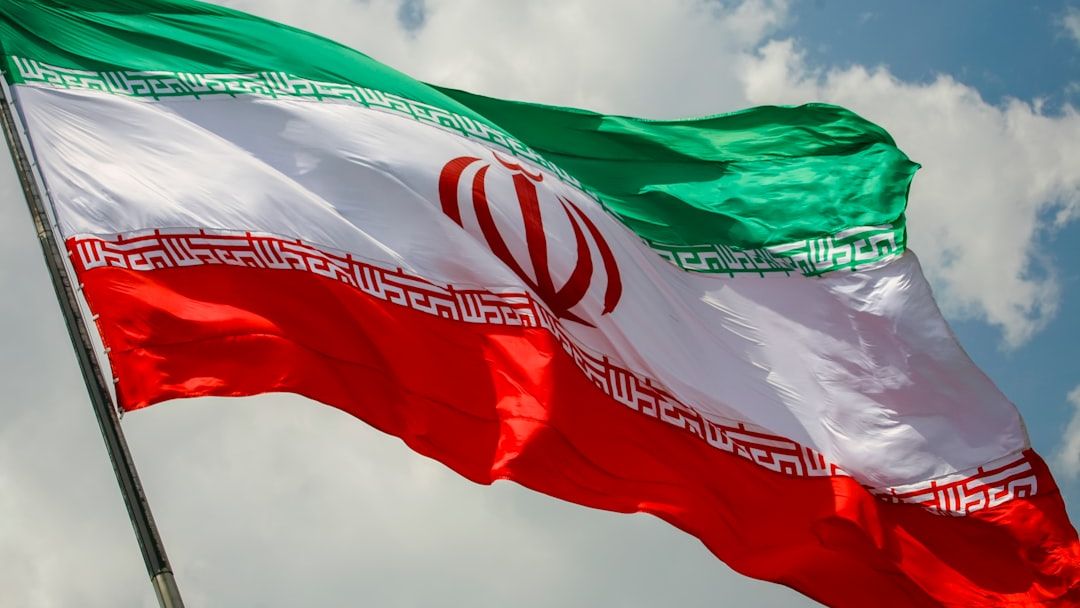
Trump Threatens Iran and Then Pulls Back, All in the Same Day – Image for illustrative purposes only (Image credits: Unsplash)
Washington has grown accustomed to a recurring sequence in which President Trump issues pointed warnings about possible military steps against Iran. The statements arrive with force, yet they consistently stop short of committing American forces to direct conflict. This approach has shaped the current phase of U.S. policy toward Tehran without producing a new war.
Recent Statements and Their Context
The president has spoken several times in recent weeks about restarting pressure on Iran. Each remark referenced past tensions and suggested that further action remained possible. Officials close to the administration described the comments as part of an ongoing effort to maintain leverage.
At the same time, no orders for large-scale deployments or strikes have followed. The gap between the language and the follow-through has become a defining feature of the approach. Observers note that the pattern echoes earlier episodes in which similar warnings did not lead to sustained operations.
Practical Effects on U.S. Policy
The repeated cycle influences how other nations interpret American intentions. Allies in the region track the statements closely, adjusting their own security planning accordingly. Iran, for its part, has responded with measured public statements that avoid immediate escalation.
Domestically, the approach affects congressional oversight and public debate. Lawmakers from both parties have called for clearer guidelines on when force might be used. Military planners continue to prepare contingency options while awaiting firmer direction from the White House.
Stakeholders and Their Positions
Several groups hold direct interest in how the situation develops. Service members and their families watch for signs that deployments could increase. Defense contractors monitor procurement signals tied to any potential buildup.
Regional partners such as Israel and Gulf states weigh the statements against their own security needs. International organizations track compliance with existing agreements that limit Iranian nuclear activities. Within the United States, veterans’ groups and anti-war organizations have voiced concerns about the risk of renewed involvement.
The administration maintains that the combination of strong rhetoric and deliberate pauses preserves flexibility. Critics argue that the inconsistency reduces credibility over time. Supporters counter that it prevents hasty decisions that could lead to prolonged conflict.
Outlook for Future Decisions
Policy experts expect the pattern to continue unless a specific incident forces a clearer choice. The administration has not ruled out additional sanctions or diplomatic moves in the coming months. Any shift toward direct military action would require coordination with Congress and key allies.
Public opinion remains divided on the merits of renewed confrontation. Polls show consistent majorities favoring diplomatic solutions over new military commitments. This sentiment continues to shape the political environment surrounding the issue.
The current approach leaves open the possibility of either renewed pressure or further restraint, depending on developments in the region. How the administration balances these options will determine whether the pattern holds or gives way to a different course.