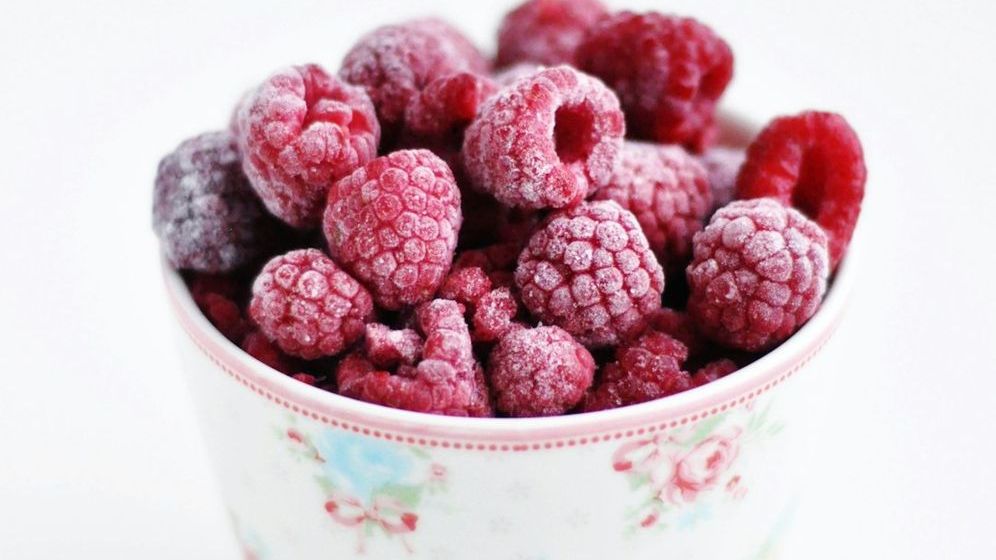

Frozen Berries
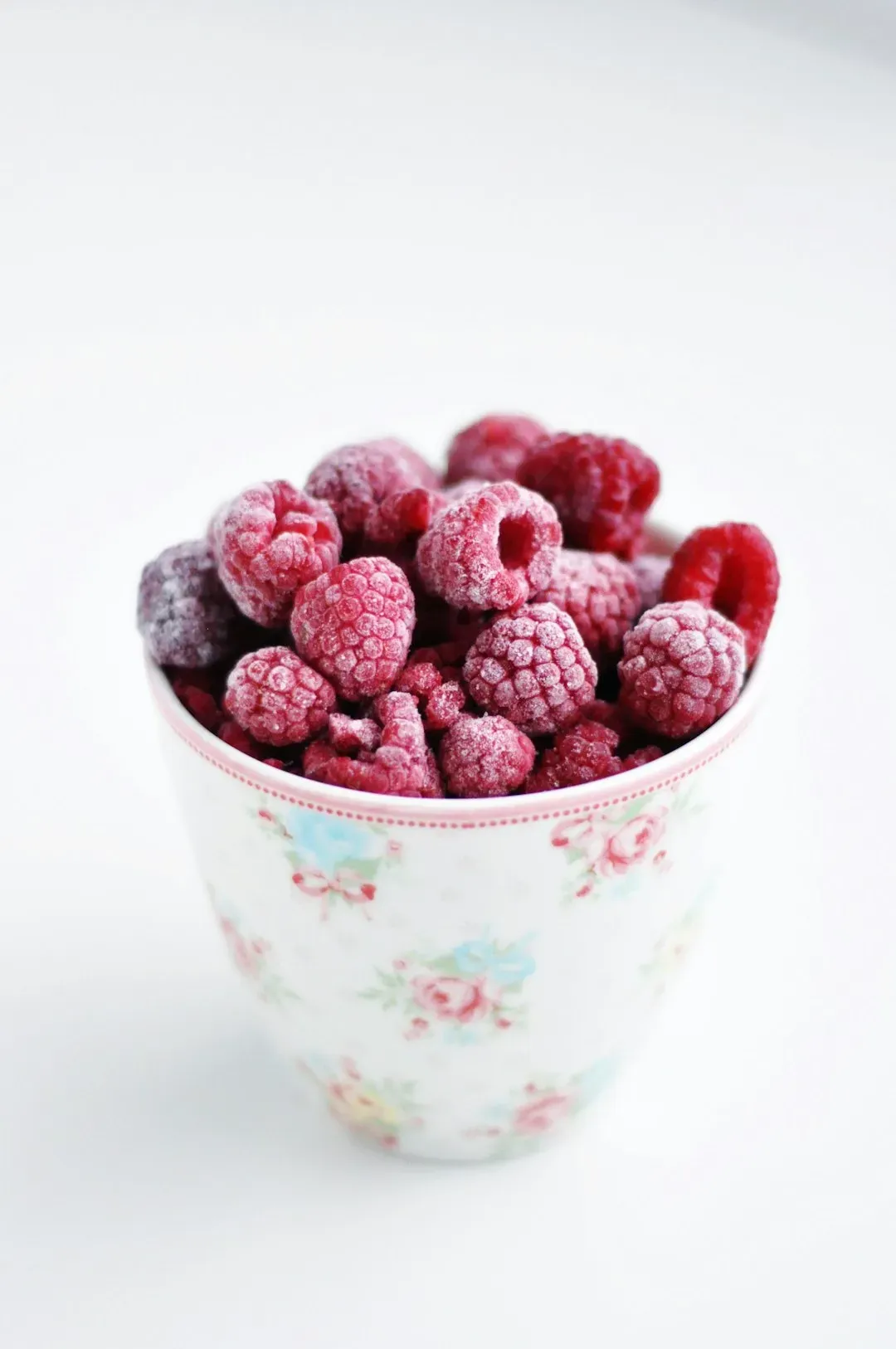
Frozen berries often get picked at their ripest moment right on the farm. They head straight into flash freezing that locks in vitamins and antioxidants before any long trip to the store. Fresh berries, by contrast, can sit for days in trucks or on shelves, and that time lets some of those good compounds fade. The result is that a bag from the freezer can deliver more steady nutrition than berries that look bright but have already lost ground.
People also find frozen berries easier to keep on hand without worrying about spoilage. You can pour out just what you need for a smoothie or oatmeal and put the rest back. Plain bags with nothing added keep the choice healthy, while any with syrup or sugar change the picture. This approach cuts down on waste too, since the berries stay good for months instead of turning soft in a few days.
Frozen Spinach
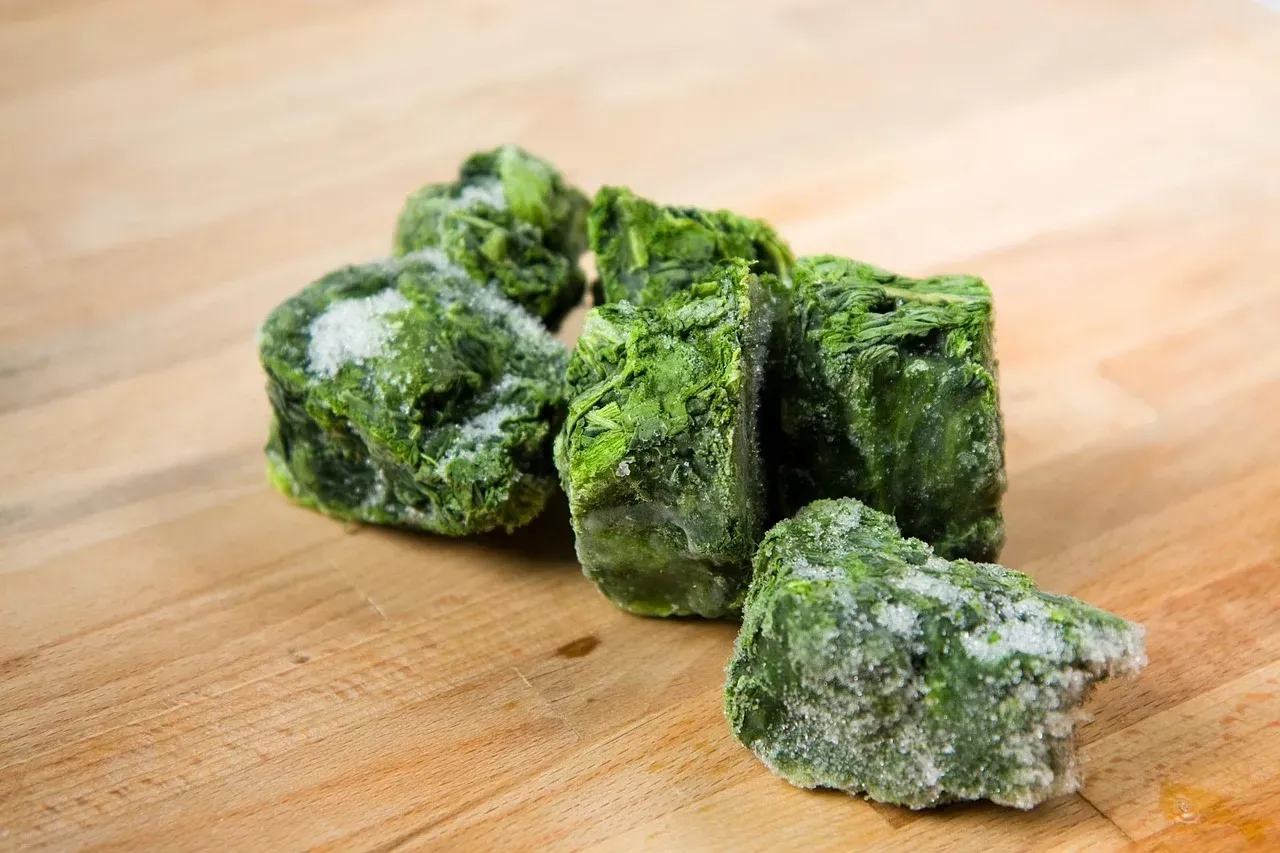
Frozen spinach starts with leaves harvested at peak quality and then gets washed and blanched before freezing. That quick process helps hold onto the minerals and fiber that can slip away when fresh bunches sit in the fridge. Many cooks notice it blends smoothly into soups or sauces without extra prep. The convenience means more people actually use it instead of letting fresh spinach wilt unused.
Plain frozen spinach avoids the extra salt or sauces that sometimes come with prepared versions. It works well in omelets or pasta dishes where a handful adds nutrition without much effort. Fresh spinach can taste great when very new, yet it often travels far and loses some of its edge by the time it reaches the kitchen. Keeping a bag in the freezer gives steady access without the daily race against spoilage.
Frozen Peas
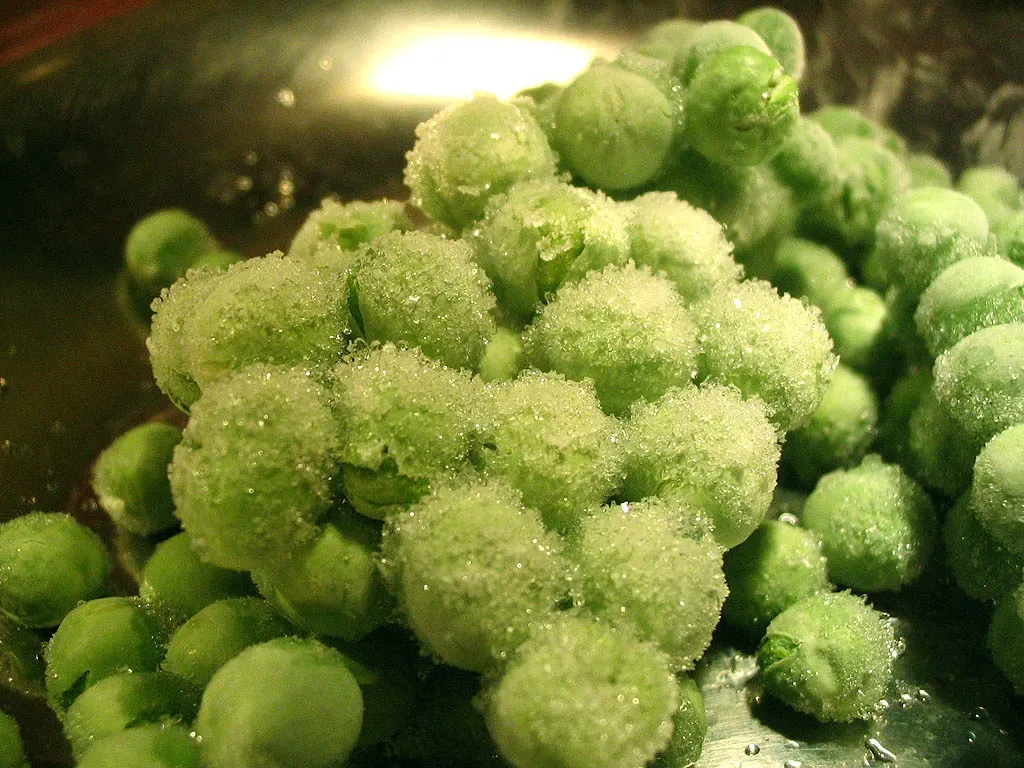
Frozen peas capture their natural sweetness right after harvest because they get frozen within hours. Fresh peas start losing that sweetness almost immediately once picked, so the ones at the market can taste flatter by comparison. The freezing step also keeps the vitamins and fiber intact for longer storage. This makes the frozen option a reliable way to get that bright flavor and nutrition year round.
Cooks like how frozen peas cook quickly and stay firm in stir fries or salads. You can take out a small amount and return the rest without any worry. Plain bags stay the healthiest choice, free of added butter or seasonings. Fresh peas in the pod can be wonderful when local and just picked, but most people end up with older ones that have already changed in taste and texture.
Frozen Broccoli
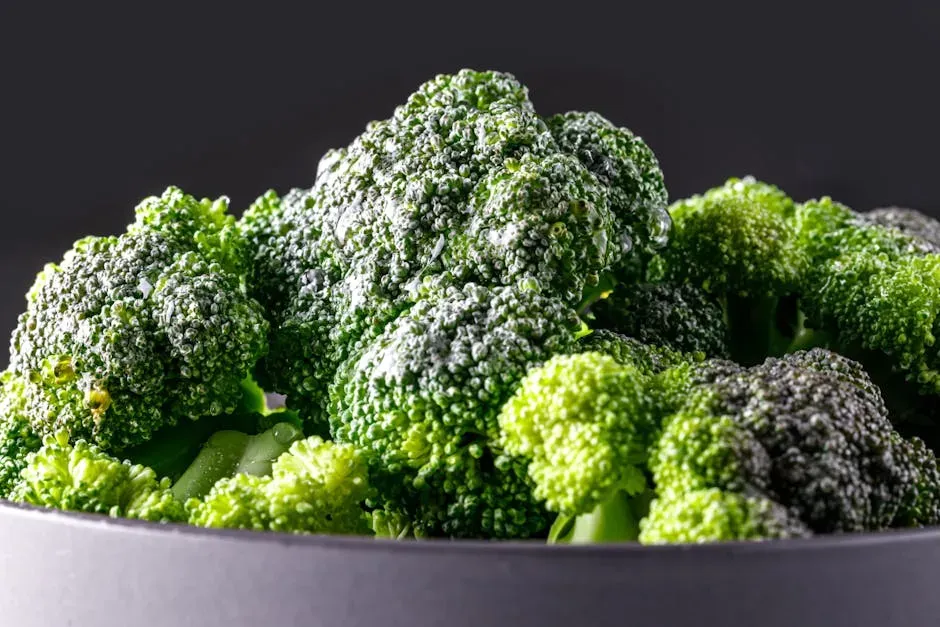
Frozen broccoli florets come from plants cut at their best stage and then frozen fast to hold the vitamin C and plant compounds. Fresh heads sometimes travel long distances and can lose some of those nutrients along the way. Steaming or microwaving the frozen pieces keeps the texture and benefits better than long boiling. The result is a side dish that still supports daily nutrition goals.
Having frozen broccoli on hand means meals come together faster on busy nights. A quick portion from the bag fits into casseroles or roasted trays without extra chopping. Plain frozen broccoli stays the better pick over versions with cheese sauce or heavy seasoning. Fresh broccoli can be crisp and tasty when very recent, yet the frozen kind often provides more consistent quality once it reaches the home kitchen.
Frozen Edamame
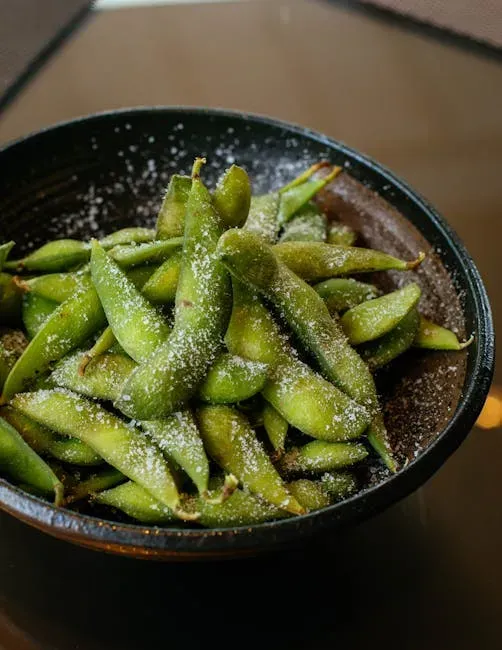
Frozen edamame gets harvested at full ripeness and shelled or left in pods before quick freezing. This timing helps keep the protein, fiber, and minerals that can drop in fresh pods that sit after picking. Many people steam the frozen beans straight from the bag for a simple snack or salad topper. The process gives steady nutrition without the short window fresh edamame allows.
Plain frozen edamame keeps the choice light and wholesome compared with seasoned or salted packs. It stores well for months and lets cooks use only what they need each time. Fresh edamame can taste excellent when very new, but it often reaches stores after travel that affects freshness. The frozen version removes that guesswork and supports regular use in everyday meals.
Frozen Fish
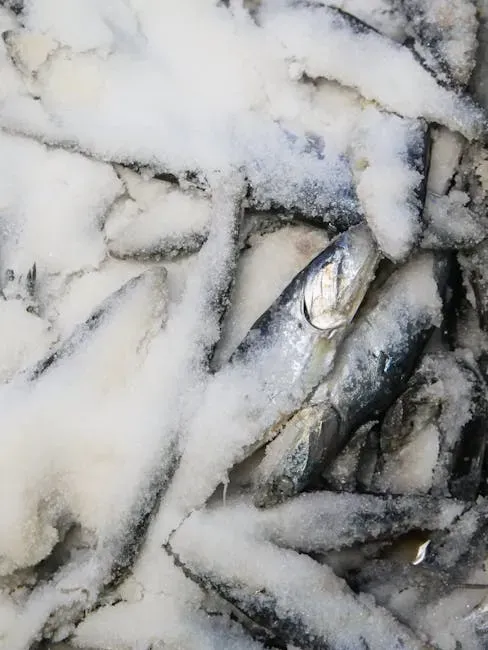
Frozen fish is frequently processed right on the boat or soon after the catch, which locks in freshness and flavor. Fresh fish at the counter may have spent days in transport and can lose quality or pick up off tastes by the time it arrives. Proper freezing also helps with safe handling when done at the right temperature. This makes the frozen choice reliable for both taste and nutrition in many cases.
Shoppers can buy plain frozen fillets without added breading or sauces that raise calories and sodium. The long freezer life means less chance of throwing unused portions away. Fresh fish works well when bought and cooked the same day from a trusted source, yet that timing does not always line up with real schedules. Frozen fish gives flexibility while still delivering good protein and omega fats.
Frozen Mango or Pineapple
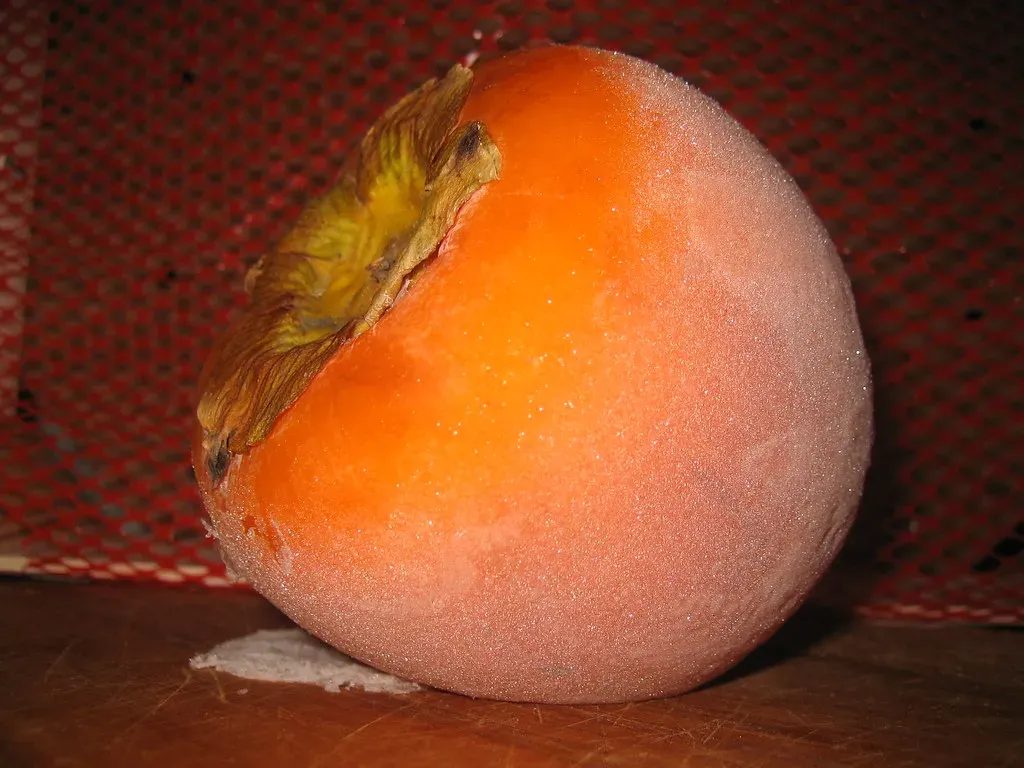
Frozen mango and pineapple pieces come from fruit picked when fully ripe and then frozen quickly to hold the natural sugars and vitamins. Fresh tropical fruit often travels long distances and can lose some of its edge during shipping and storage. The frozen form keeps the bright taste and fiber available even when local options are out of season. This helps people add fruit to meals more regularly without extra planning.
Plain frozen bags stay the healthiest option since they skip any syrup or added sugar. Cooks can thaw a small amount for yogurt or smoothies and keep the rest for later. Fresh mango or pineapple can be juicy and sweet when perfectly timed, but the frozen kind removes the risk of overripe or underripe fruit. It also cuts waste because nothing spoils before it gets used.