
Americans often discover these quirks the hard way during road trips or moves across state lines. What seems like a simple request for a drink or a pair of shoes can spark confusion when the words do not match expectations. The variations stem from centuries of migration, local industries, and everyday habits that took root in different parts of the country.
Soft Drinks Carry Regional Labels That Still Hold Strong
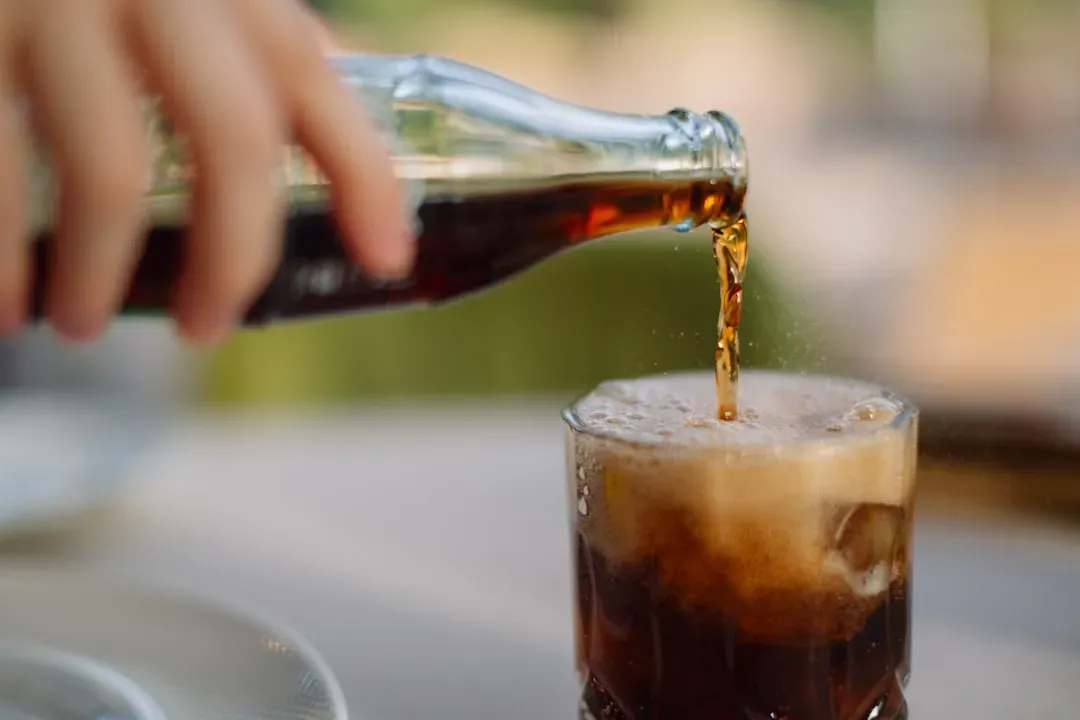
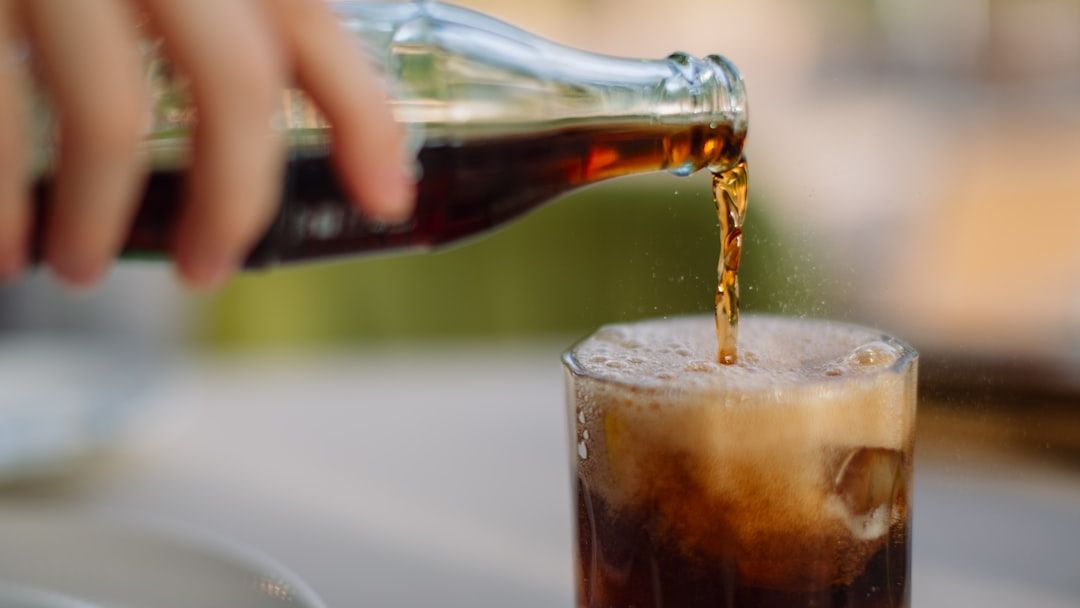
People in the northern states frequently ask for a pop when they want a carbonated beverage. Southerners often default to coke as a catch all term regardless of the brand. Elsewhere the word soda remains the standard choice according to patterns documented in longstanding linguistic surveys.
These preferences trace back to early marketing and settlement routes that spread certain terms more widely in specific areas. Recent references in 2024 and 2025 articles continue to highlight the same divides without major shifts. The consistency shows how deeply these words embed themselves in daily speech.
Athletic Footwear Goes by Several Everyday Terms
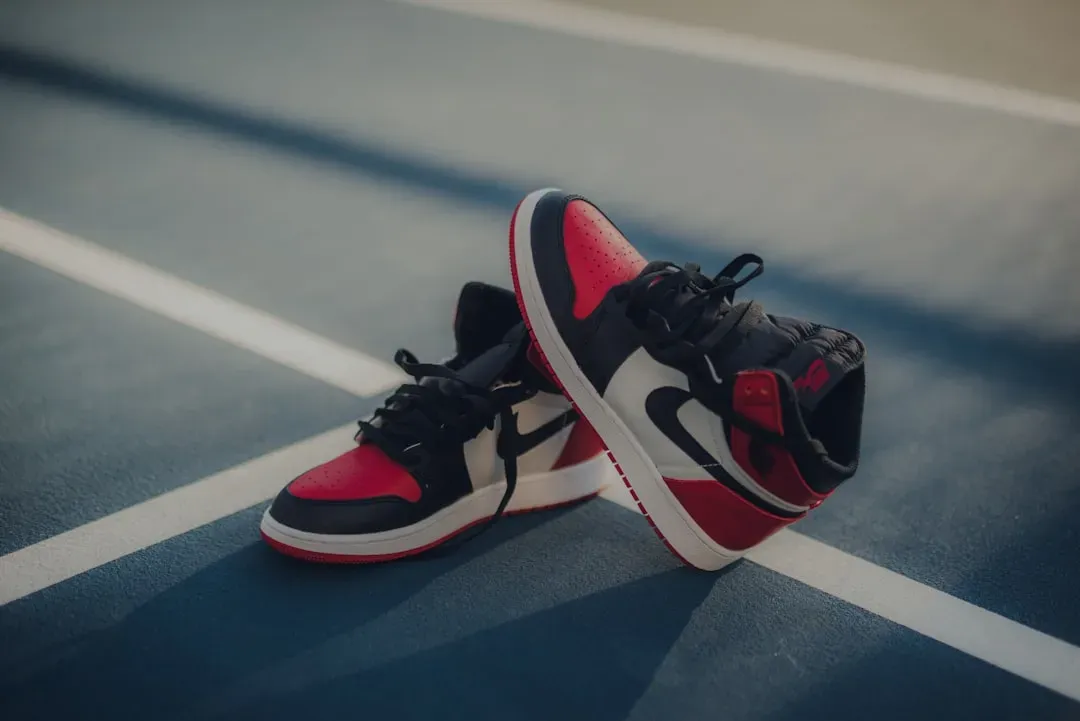
Most of the country refers to rubber soled athletic shoes as tennis shoes. Residents along the Northeast coast and parts of Florida lean toward sneakers instead. A smaller pocket around Chicago and Cincinnati sticks with gym shoes for the same item.
The differences appear in maps compiled from large scale surveys and remain visible in everyday conversations today. Historical roots include the quiet tread that inspired the word sneakers in the late 1800s. Regional loyalty keeps all three terms alive despite national advertising.
Water Sources for Drinking Have Distinct Local Names
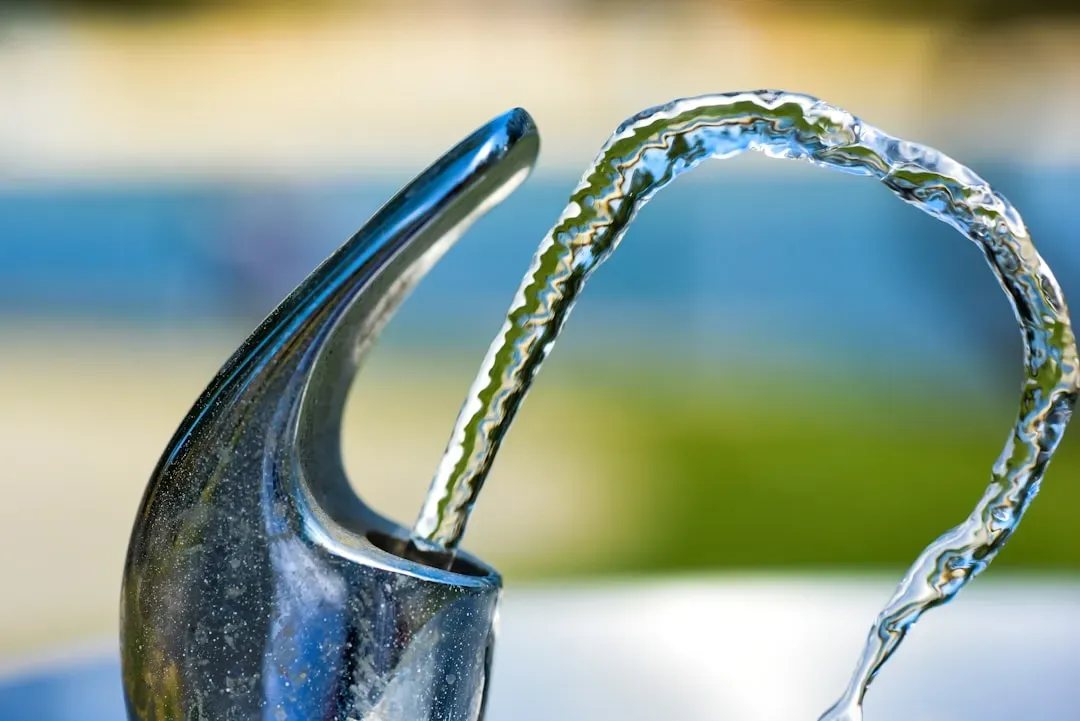
Travelers notice that a device dispensing water might be called a water fountain in many southern and midwestern spots. Western states more often use the phrase drinking fountain. In Rhode Island, parts of Massachusetts, and sections of Wisconsin the term bubbler still surfaces regularly.
The bubbler label gained traction through early twentieth century marketing by a Wisconsin company that produced the fixtures. Broader patterns from dialect collections confirm these splits persist into recent years. Each name reflects the practical language that grew up around public facilities in those regions.
Grocery Carts Take on Different Identities by Area

Shoppers in the Northeast commonly push a carriage through store aisles. Southern and midwestern customers more often reach for a buggy when they need the same wheeled basket. The rest of the nation tends to say shopping cart without much variation.
These choices echo older transportation terms that carried over into modern retail settings. Collections of regional vocabulary from academic and news sources continue to map the same boundaries. Everyday usage shows little sign of blending even with widespread chain stores.
Glowing Insects Spark Two Main Descriptions

Summer evenings bring out fireflies across much of the western half of the United States. Large stretches of the South and Midwest instead point to lightning bugs when the same creatures appear. Overlapping zones in the upper Midwest and parts of the Northeast accept both labels.
Survey data gathered over the past two decades shows these preferences remain stable. The split likely follows older migration patterns that carried different folk names westward and southward. Observers still comment on the contrast during family visits or travel.
Long Sandwiches Answer to a Handful of Titles
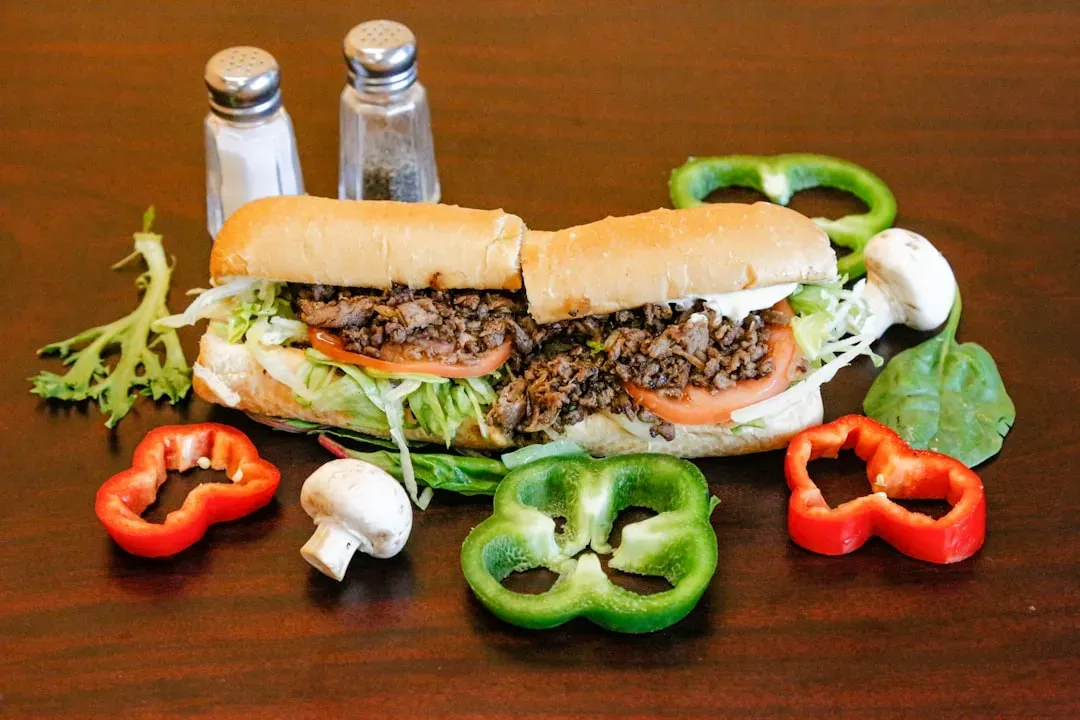
Most Americans order a sub when they want a long sandwich filled with meats and vegetables. Pennsylvania and New Jersey residents ask for a hoagie in the same situation. New Englanders sometimes use grinder while New Yorkers reach for hero.
Each term traces to local immigrant communities and sandwich shop traditions that took hold decades ago. Updated references in 2024 language guides still list the same regional favorites. The variety adds color to menus and casual talk across state borders.
Major Roads Receive Different Designations
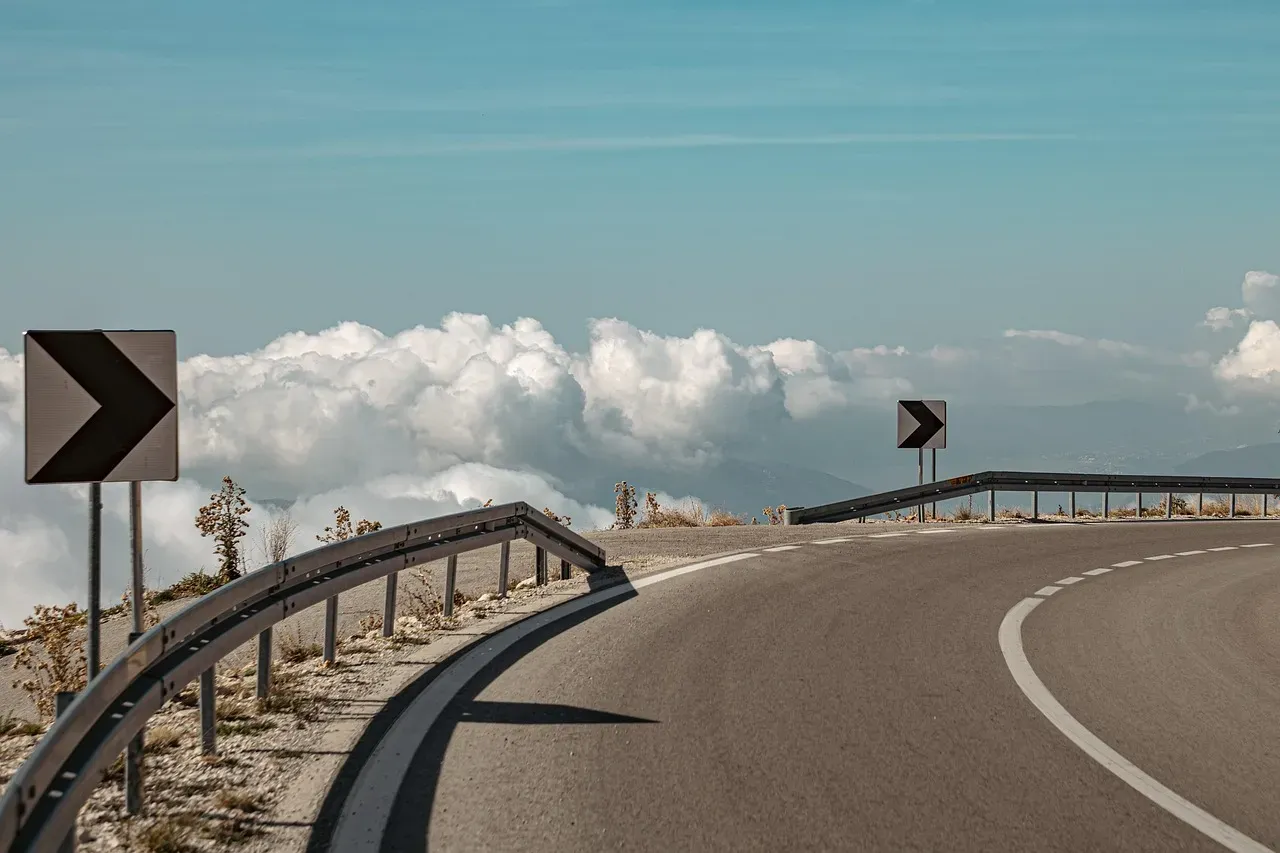
Drivers on the East Coast usually speak of highways when they mean fast multi lane routes. West Coast residents more commonly say freeways for identical roads. Some southern states add turnpike for toll roads that serve the same purpose.
These distinctions appear consistently in regional vocabulary lists drawn from public surveys. They reflect the separate highway building eras and naming conventions that developed in each part of the country. Commuters notice the shift quickly when crossing regional lines.
Bread Ends Earn Several Humble Nicknames
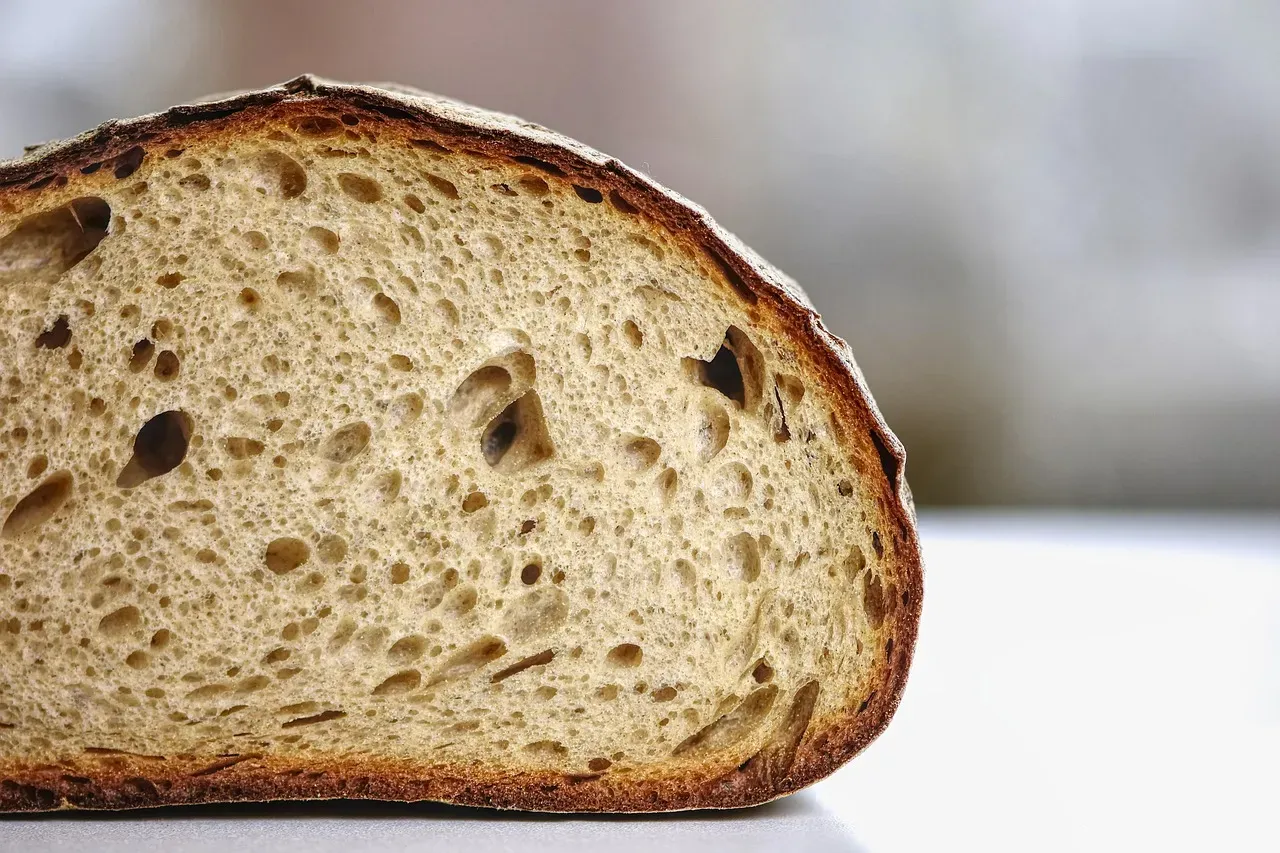
The final slice of a loaf often gets called the heel in many households nationwide. New England speakers sometimes prefer the word end instead. Northern areas may use crust while certain East Coast and Great Lakes communities say butt.
Dialect surveys from university projects document these small but persistent choices. The terms arise from practical kitchen language passed down through families. They surface most often during casual meals or baking conversations.
Addressing a Group Brings Out Clear Regional Markers
Southern speakers lean on y all when talking to more than one person. Much of the rest of the country defaults to you guys in the same context. Smaller pockets in the Northeast still use youse on occasion.
These plural forms appear in maps based on large respondent pools and show steady geographic clustering. They carry subtle social signals that locals recognize instantly. Recent discussions in language resources from 2025 note the patterns continue without rapid change.
Porches and Similar Structures Use Varied Labels

Outdoor sitting areas attached to homes go by porch in most regions. Southern states frequently call the same space a veranda or gallery. Some midwestern and western areas add deck when the structure sits at ground level.
Architectural styles and local building traditions helped shape these preferences over time. Collections of everyday vocabulary confirm the splits remain noticeable today. Home descriptions in real estate listings often reflect the same regional habits.
These Word Choices Reveal Deeper Cultural Layers
Each variation connects to the people who settled particular areas and the industries that shaped daily life there. Linguistic records spanning decades show the patterns hold steady even as media spreads national terms. Travelers and newcomers still encounter the differences in ordinary exchanges.
The divides add texture to American English without creating real barriers. They serve as quiet reminders of the country s layered history and the ways language travels with families and communities. Over time these small distinctions continue to mark where someone grew up or now calls home.