

Non Opioid Option for Acute Pain Management

Suzetrigine, marketed as Journavx, received approval as the first new non opioid medication for moderate to severe acute pain in decades. Clinical trials showed it reduced pain scores effectively after surgery without the risks tied to traditional opioids. Patients and doctors have welcomed this development because it addresses concerns about dependence while still providing reliable relief.
The drug works by targeting specific sodium channels in the nervous system. This mechanism allows it to interrupt pain signals at their source. Availability has expanded in early 2026 as hospitals and clinics integrate it into standard post operative protocols.
Twice Yearly Injection for HIV Prevention

Lenacapavir, sold under the name Yeztugo, earned approval in 2025 as a long acting pre exposure prophylaxis option. Studies demonstrated it prevented nearly all HIV transmissions when administered every six months. This schedule simplifies protection compared with daily pills or more frequent shots.
Public health programs began rolling it out in 2026 to reach higher risk groups more efficiently. The formulation uses a novel capsid inhibitor that maintains steady drug levels over extended periods. Early data from real world use supports its strong safety profile across diverse populations.
Long Acting Therapy for Hemophilia
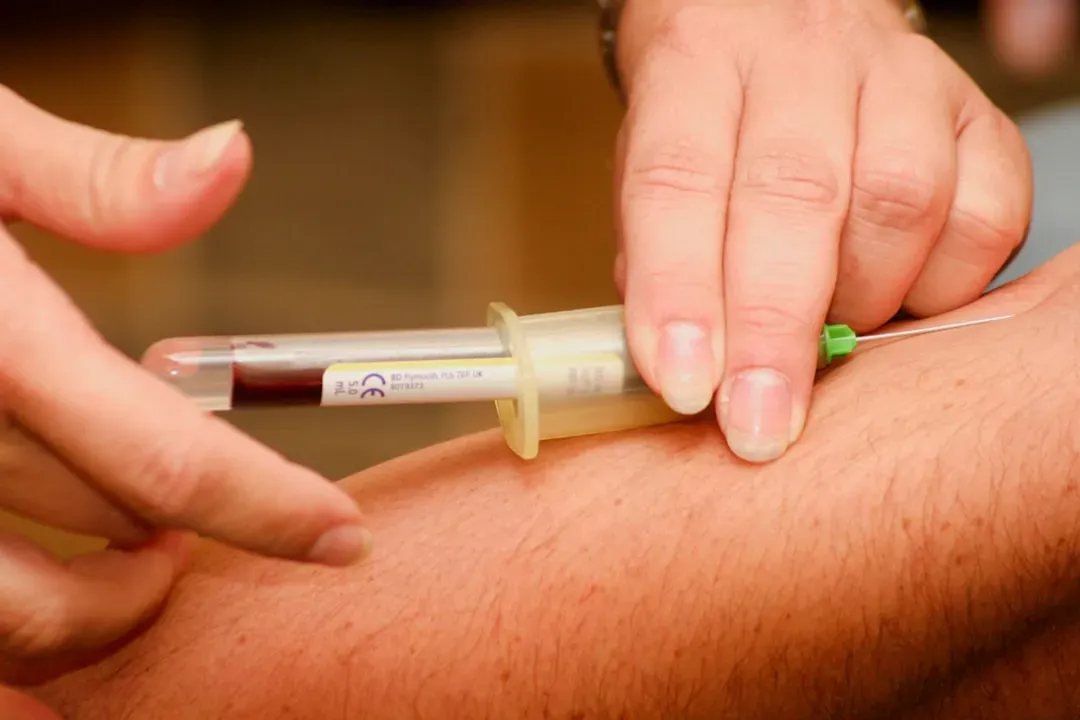
Fitusiran, known as Qfitlia, gained clearance in 2025 for treating hemophilia with less frequent dosing. The treatment reduces the need for regular clotting factor infusions by targeting antithrombin levels. Patients report fewer bleeding episodes and greater freedom in daily routines.
Regulatory reviews confirmed its benefits for both hemophilia A and B cases. Distribution networks expanded this year to include specialty pharmacies and treatment centers. Ongoing monitoring continues to track long term outcomes in the growing number of users.
Nasal Spray Alternative for Severe Allergic Reactions

Neffy became the first needle free epinephrine delivery method approved for children and adults in 2025. It uses a nasal spray that absorbs quickly into the bloodstream during anaphylaxis. This format removes barriers for people who fear injections or struggle with auto injectors.
Pediatric approvals now cover ages four and older in specific weight ranges. Emergency responders and schools started stocking the spray in 2026 as guidelines updated. Real world feedback highlights its ease of use in high stress situations.
These four advances illustrate how 2025 research translated into practical tools now reaching patients. Their gradual rollout in 2026 underscores the value of thorough testing before broader access. Continued observation will shape how they fit into everyday care.