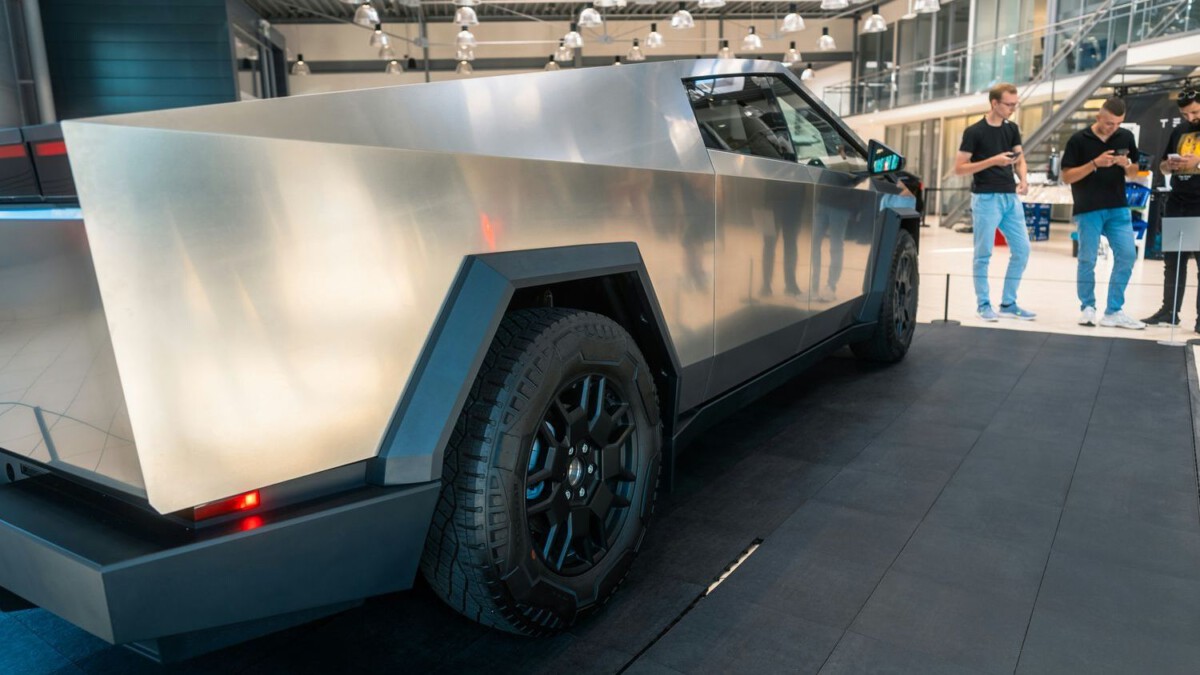
VIDEO: Cybertruck driver caught asleep behind the wheel on Hwy 101 – Image for illustrative purposes only (Image credits: Unsplash)
A video recorded over the weekend in Marin County has drawn attention to a Cybertruck traveling along Highway 101 with its driver visibly asleep at the wheel. The footage, submitted to local news outlets, shows the vehicle maintaining its lane and speed while the operator appears to doze. The incident occurred near 4 p.m. on Saturday, May 16, and has prompted renewed discussion about the limits of current driver-assistance systems on busy California roadways.
Sequence of Events on the Highway
The clip captures the Cybertruck moving steadily in traffic as the driver’s head tilts forward and eyes close for several seconds at a time. Observers noted that the vehicle continued without abrupt corrections or lane departures, consistent with Tesla’s Full Self-Driving or Autopilot features remaining engaged. No collision or sudden stop was reported, yet the driver’s prolonged inattention stood out clearly to those who reviewed the recording.
Highway 101 carries heavy weekend traffic through Marin County, making sustained periods of driver disengagement particularly noticeable to nearby motorists. The video does not indicate whether the driver later regained alertness or whether the system issued any alerts during the episode.
Broader Questions About Vehicle Autonomy
Tesla’s driver-assistance technology is designed to require constant human supervision, yet incidents like this one illustrate how easily that requirement can be overlooked. Regulators and safety advocates have long emphasized that these systems function best as aids rather than replacements for attentive drivers. The Marin County episode adds to a growing collection of cases in which operators have been documented relying too heavily on automation.
Industry analysts point out that the technology continues to improve through software updates, but real-world performance still depends on driver behavior. Highway 101, with its mix of commuter and recreational traffic, serves as a common testing ground for such systems in varied conditions.
Public Safety and Regulatory Context
California transportation officials have previously issued guidance reminding drivers that hands-free features do not eliminate the need for full attention. Enforcement remains challenging because violations often surface only after video evidence circulates online. In this instance, the clear visual record has allowed the public to see the exact moment of inattention without relying on secondhand accounts.
Consumer groups continue to press for clearer labeling of system capabilities and stronger safeguards against misuse. The episode on Highway 101 underscores how quickly a lapse can occur even on familiar routes during daylight hours.
What matters now: Drivers must treat every automated feature as a temporary aid that still demands active oversight, especially on high-volume corridors like Highway 101.
Looking Ahead for Road Users
Similar recordings have surfaced in other states, suggesting the issue is not isolated to one stretch of California highway. Manufacturers continue to refine monitoring systems that detect driver distraction, yet the technology remains imperfect. Continued public awareness and consistent enforcement appear essential as more vehicles incorporate advanced assistance packages.
The Marin County video serves as a reminder that even advanced engineering cannot fully compensate for human factors on public roads. As adoption of these systems grows, the balance between convenience and vigilance will remain a central concern for everyone who shares the highway.