Photo Essay: Europe Outsourced Migration Control – Libya Holds Consequences – Image for illustrative purposes only (Image credits: Pexels)
European efforts to curb irregular migration across the central Mediterranean have produced a clear drop in sea arrivals. At the same time, the approach has funneled thousands of people into Libyan detention centers whose operations remain largely hidden from outside view. The result is a system that delivers measurable results on one side of the border while raising persistent questions about accountability on the other.
Why the Numbers Matter Now
Sea crossings from Libya toward Europe fell sharply after a series of agreements between European governments and Libyan authorities. Those agreements emphasized cooperation on border enforcement and returns. The decline in departures has been welcomed in several European capitals as evidence that external partnerships can ease pressure on reception systems.
Yet the same arrangements have left large numbers of migrants and asylum seekers inside Libya. Many end up in facilities run by local authorities or armed groups. Access for independent monitors stays limited, and reports of overcrowding and mistreatment continue to surface through diplomatic channels and humanitarian networks.
How the Partnership Took Shape
European support for Libyan coast-guard operations and migration management began several years ago. Funding and equipment flowed to Tripoli with the explicit goal of intercepting boats before they reached international waters. Training programs and technical assistance followed, creating a layered system of controls along the Libyan coastline.
Over time, the focus expanded beyond interception to include the management of people who had already been returned or detained on land. European officials described the measures as necessary to disrupt smuggling networks and protect lives at sea. Libyan counterparts gained resources and political leverage in return.
Life Inside the Detention System
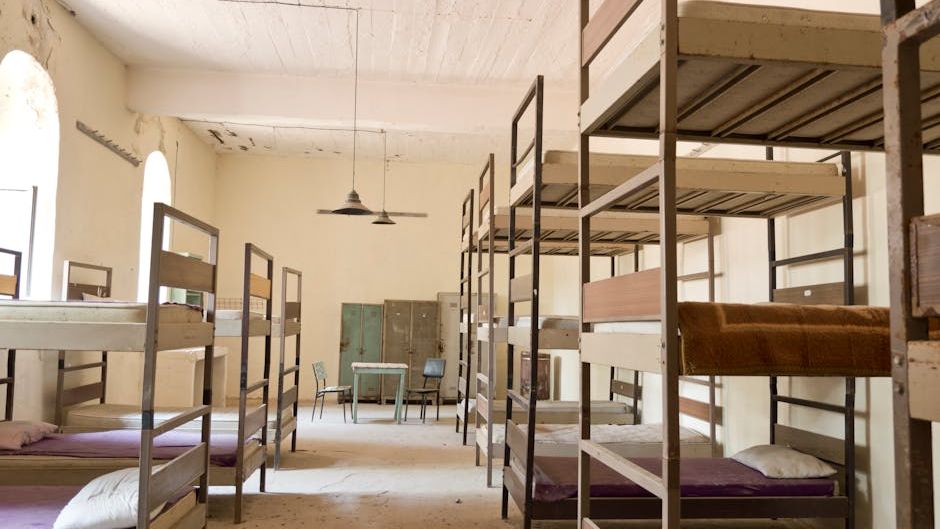
Thousands of individuals now find themselves held in centers whose conditions vary widely and often lack basic transparency. Some facilities operate under formal government structures, while others fall under the influence of local militias. Release or transfer decisions can depend on informal negotiations rather than clear legal processes.
Humanitarian organizations that manage to gain entry describe inconsistent access to food, medical care, and legal information. Families remain separated for extended periods, and opportunities for asylum claims or voluntary return programs remain uneven. The absence of regular independent oversight makes it difficult to track individual cases or verify improvements over time.
What Matters Now
The current arrangement has succeeded in lowering the number of Mediterranean crossings, yet it has also concentrated responsibility for migrant welfare inside a country still recovering from years of conflict. European governments continue to view the partnership as a practical tool for managing flows. Libyan authorities, for their part, treat the centers as part of a broader security and migration portfolio.
Future adjustments will likely depend on whether both sides can introduce stronger safeguards and clearer reporting mechanisms. Without those steps, the reduction in sea arrivals risks remaining tied to a detention system that operates largely out of sight.