
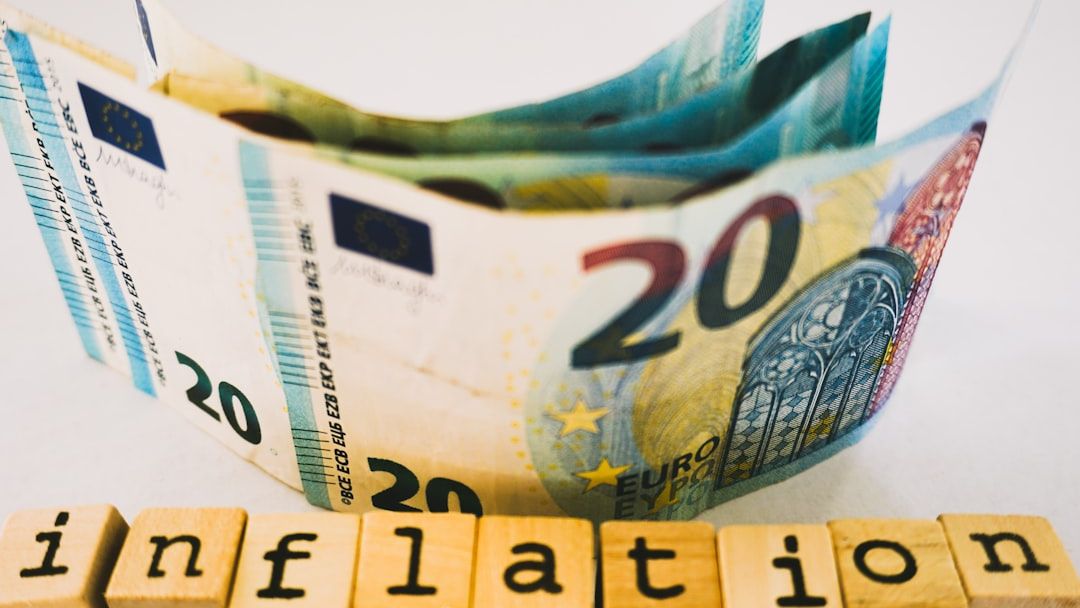
Increase In German Producer Prices Signals Gradual Broadening Of Inflationary Pressure – Image for illustrative purposes only (Image credits: Unsplash)
Berlin – Fresh data from the Federal Statistical Office showed producer prices in Germany climbing 1.7 percent year on year in April. The increase marked the first annual gain since February 2025 and reversed a 0.2 percent decline recorded in March. Energy costs continued to play a central role, yet the figures also revealed upward pressure in several non-energy categories.
Energy Costs Drive the Turnaround
Monthly producer prices jumped sharply in the latest reading, with energy products leading the advance. The surge reflected ongoing tensions in the Middle East that lifted crude oil and related costs. Excluding energy, however, prices still rose 1.3 percent on the year, indicating that the rebound was not confined to one sector.
Capital goods and durable consumer goods posted steady gains of 1.9 percent each. Intermediate goods, including metals and wood products, also contributed to the overall lift. These movements suggest that cost pressures are beginning to filter through supply chains beyond immediate fuel expenses.
Implications for Businesses and Consumers
Manufacturers now face higher input costs that may eventually reach retail shelves. Companies in construction, automotive supply, and food processing are among those most exposed. Many have already begun adjusting pricing strategies to protect margins amid the shift.
Consumers could feel the effects through elevated prices for finished goods and services. The latest consumer inflation reading of 2.9 percent in April already incorporated some of these upstream increases. Policymakers at the European Central Bank will watch the trend closely when assessing the pace of any further rate adjustments.
Timeline and Broader Context
Producer prices had declined for more than a year before the April turnaround. The previous low point came amid falling energy prices after the peak of earlier global supply disruptions. The current rebound coincides with renewed geopolitical strains that have pushed energy markets higher once again.
Analysts note that the breadth of the latest gains differs from the energy-driven spikes seen in 2022. A wider range of goods now shows positive annual changes, raising the possibility that inflation could prove more persistent than previously expected.
What Matters Now
Companies are reassessing inventory and procurement plans in light of the new cost environment. Central banks and governments will monitor whether the producer-price upturn feeds through to wages and final consumer prices. The coming months will clarify whether April marked a temporary rebound or the start of a more sustained shift in Germany’s inflation trajectory.