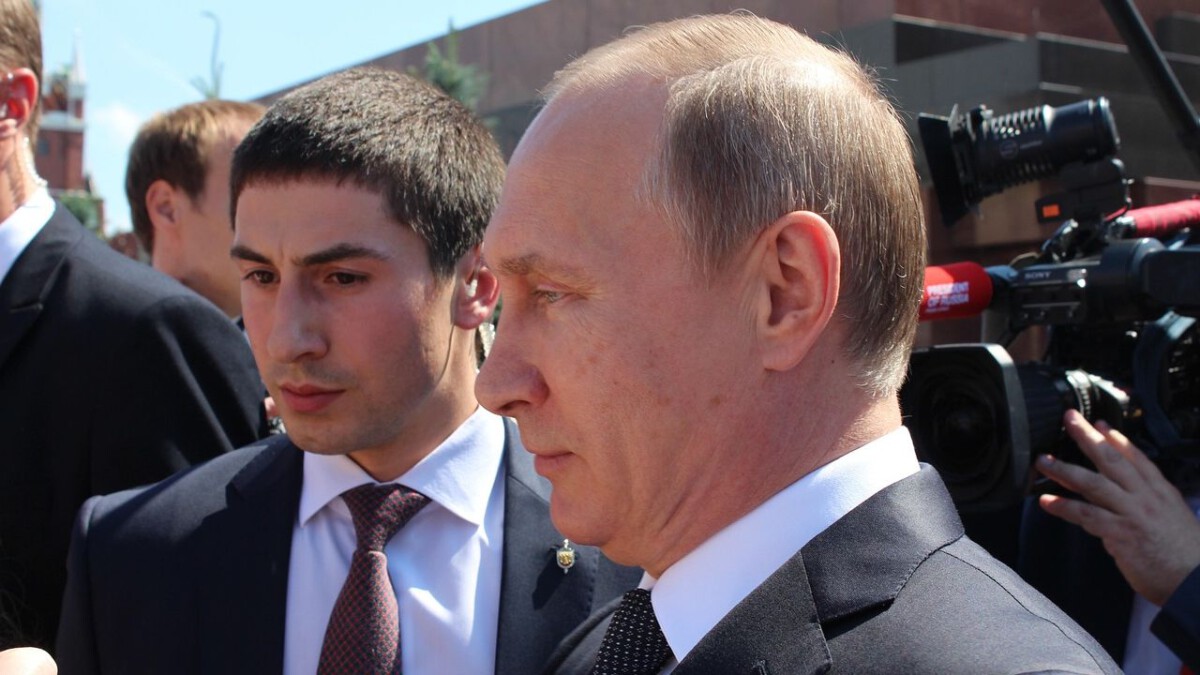
China’s Xi, Russia’s Putin praise ties but see no energy headway at Beijing talks – Image for illustrative purposes only (Image credits: Pixabay)
Beijing – Chinese President Xi Jinping and Russian President Vladimir Putin met for high-level talks this week, describing their bilateral relationship in glowing terms while failing to announce concrete advances on a long-discussed natural gas pipeline that Moscow has long sought to advance. The summit unfolded days after a separate visit by U.S. President Donald Trump to China, adding layers of geopolitical context to the discussions. Both leaders signed more than 20 agreements covering trade, technology, and cultural exchanges, yet the centerpiece energy project remained largely unresolved.
High-Level Praise for Strategic Partnership
Putin opened the talks by noting that relations between Russia and China have reached an “unprecedentedly high level.” Xi echoed the sentiment, highlighting the steady expansion of cooperation across multiple sectors despite external pressures. The two sides also issued a joint declaration underscoring their shared vision for a multipolar world order.
These statements reflect a pattern of regular high-level engagement that has continued even as global energy markets face new disruptions. Officials from both countries emphasized that the partnership provides mutual economic and security benefits at a time of shifting international alignments.
Energy Cooperation Takes Center Stage
The proposed Power of Siberia 2 pipeline dominated much of the energy-focused portion of the agenda. The project would transport up to 50 billion cubic meters of gas annually from Russia’s Yamal Peninsula to northern China via Mongolia, offering Moscow an alternative to lost European markets.
Negotiators have discussed the route for nearly two decades, and a legally binding memorandum was signed last year. Still, key details such as pricing, financing, and construction timelines continue to elude final agreement. Analysts note that China’s preference for supply diversification has slowed momentum even as regional energy uncertainties grow.
Broader Agreements and Ongoing Challenges
Beyond energy, the leaders formalized cooperation in trade, media, and education. A new Russia-China Years of Education initiative for 2026–2027 was launched to expand people-to-people exchanges. These steps build on existing frameworks that have already boosted bilateral trade volumes significantly in recent years.
Yet the absence of a breakthrough on the pipeline underscores persistent differences in commercial priorities. Russia seeks firm commitments to replace revenue streams affected by sanctions, while China weighs long-term import strategies against fluctuating global prices and alternative suppliers.
Looking Ahead Amid Global Shifts
The Beijing meeting reinforced the durability of the Russia-China relationship even without immediate energy deliverables. Both capitals signaled continued willingness to coordinate on regional and international issues, including responses to recent developments in the Middle East.
Future progress on major infrastructure projects will likely depend on how quickly negotiators can bridge remaining gaps on commercial terms. For now, the summit delivered symbolic reinforcement of ties more than tangible new energy infrastructure commitments.