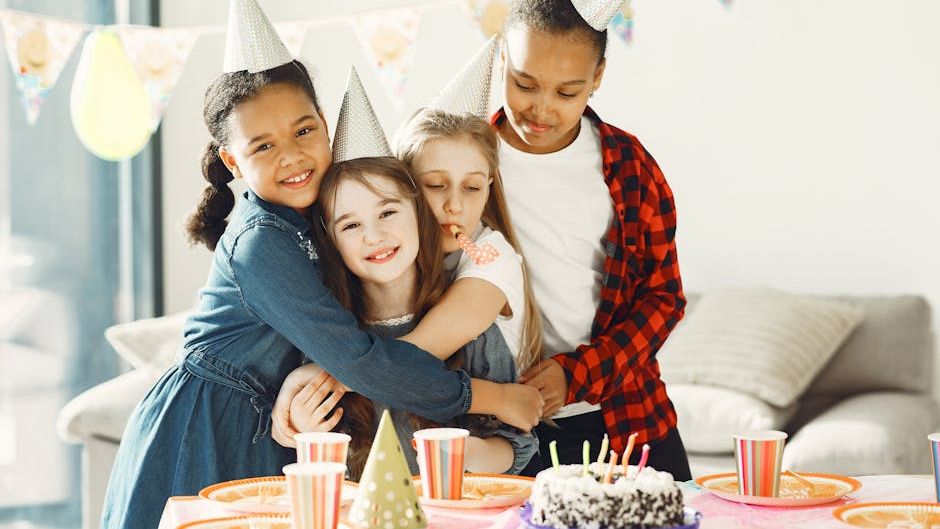
Dear Abby: Our mother died on my son’s birthday – and my sibling insists on making the day somber – Image for illustrative purposes only (Image credits: Pexels)
Families often face difficult choices when a joyful occasion lands on the same date as a profound loss. In one recent case, a mother’s death anniversary coincides with her grandson’s birthday, creating tension between siblings who hold different views on how to mark the day. One wants to keep the focus on quiet reflection, while the other seeks to preserve a sense of celebration for the child. Such overlaps test the ability to honor grief without overshadowing everyday milestones.
The Weight of Shared Dates in Family Life
Anniversaries of loss carry emotional weight that can linger for years. When those dates align with birthdays or other positive events, the contrast becomes especially sharp. Relatives may disagree on whether to acknowledge the sadness openly or to shield younger family members from it. These differences often stem from individual grieving styles rather than any lack of care for one another.
Children, in particular, benefit from consistent recognition of their special days. A birthday represents growth and future possibilities, even when it arrives amid family sorrow. Adults who experienced the loss firsthand may find it harder to separate the two feelings. Clear communication helps prevent one perspective from dominating the other.
Approaches That Allow Both Emotions to Coexist
Many families discover that small, intentional gestures can bridge the divide. A morning moment of remembrance followed by an afternoon focused on the child’s celebration offers one path forward. Others choose to hold separate observances on nearby dates to give each feeling its own space. The key lies in respecting that grief and joy do not cancel each other out.
Parents frequently emphasize the importance of modeling healthy emotional balance for the next generation. When adults demonstrate that both sadness and happiness can occupy the same day, children learn flexibility in their own responses. This modeling reduces the chance that younger members internalize guilt over enjoying their birthday. Professional counselors often note that such flexibility supports long-term family resilience.
Practical Steps for Moving Ahead
Thoughtful planning can ease recurring conflicts. Consider these options when similar date overlaps arise:
- Discuss expectations with all involved adults well before the date arrives.
- Include the child in age-appropriate decisions about how the day will unfold.
- Create a brief, private ritual for remembrance that does not interrupt the main celebration.
- Allow each person to opt into or out of specific activities without pressure.
- Revisit the plan each year, as feelings and family dynamics can shift over time.
These steps do not eliminate sadness but reduce the likelihood that it overshadows other meaningful moments. They also signal to everyone that the family values both memory and ongoing life.
Looking Toward Future Years
Over time, the intensity of grief often softens, allowing more room for celebration. Families that establish flexible traditions early tend to navigate these dates with greater ease as children grow older. The goal remains consistent: to remember the person who is gone while continuing to build new memories with those who remain. In this way, shared dates can eventually represent both continuity and renewal rather than ongoing division.