The Bleak Streets of Pyongyang: Empty Roads and Orchestrated Life
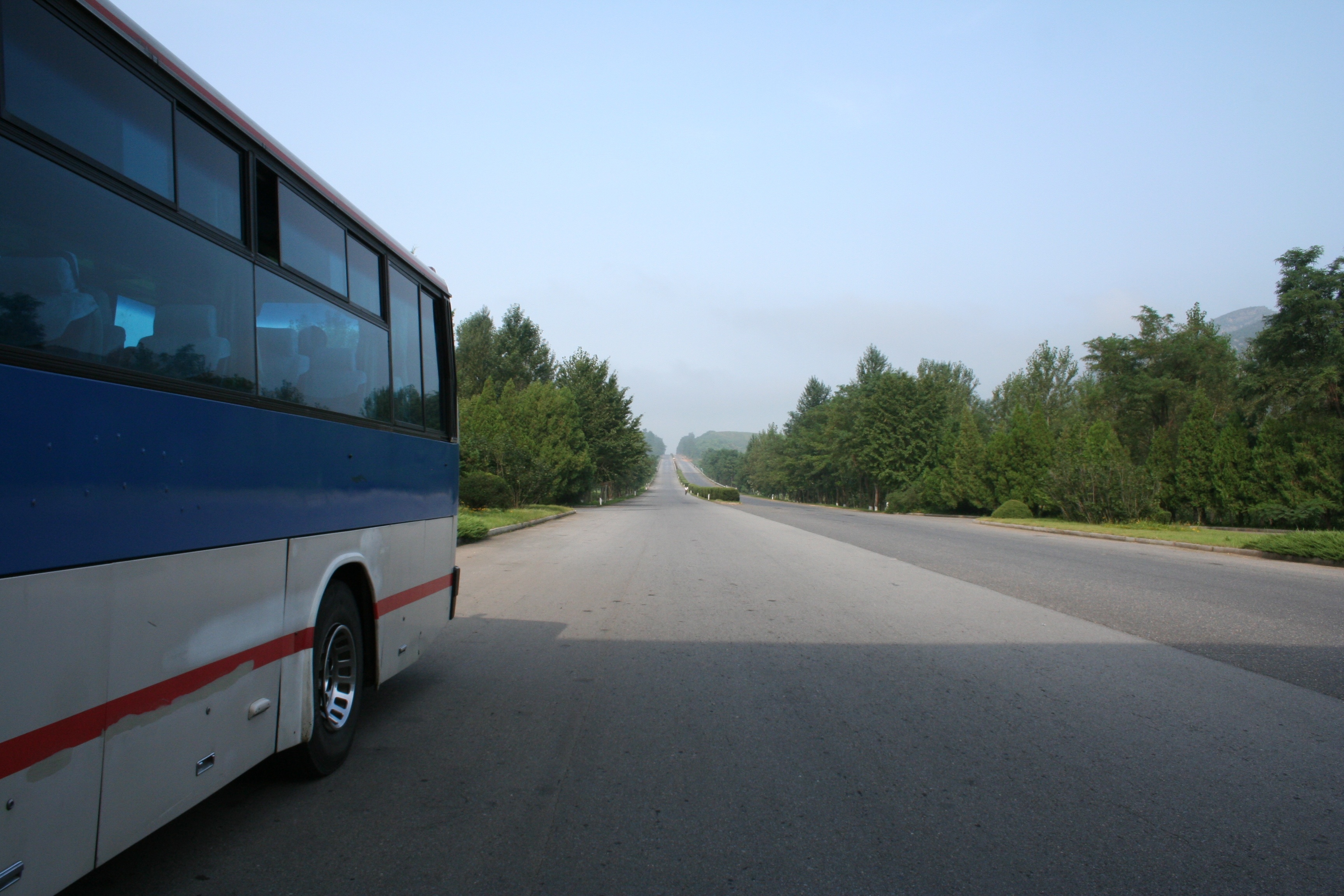
Walking through the heart of Pyongyang, one is struck by the eerie emptiness of its broad boulevards. While government propaganda boasts about bustling city life, real photos show an almost staged calm, with very few private vehicles and pedestrians. According to a 2024 UN report, North Korea had fewer than 30,000 privately owned vehicles in a city of 3 million—a sign of the regime’s tight control. Traffic is often managed by human traffic controllers, not automated signals, highlighting the state’s reliance on surveillance over technology. Street scenes reveal rows of nearly identical apartment blocks, many suffering from neglect and visible decay. Billboards display nothing but political slogans and images of the Kim dynasty, further emphasizing the absence of commercial advertising. These visuals directly contradict the government’s efforts to present Pyongyang as a modern metropolis.
Inside Kim Il Sung Square: Mass Gatherings and Rigid Control
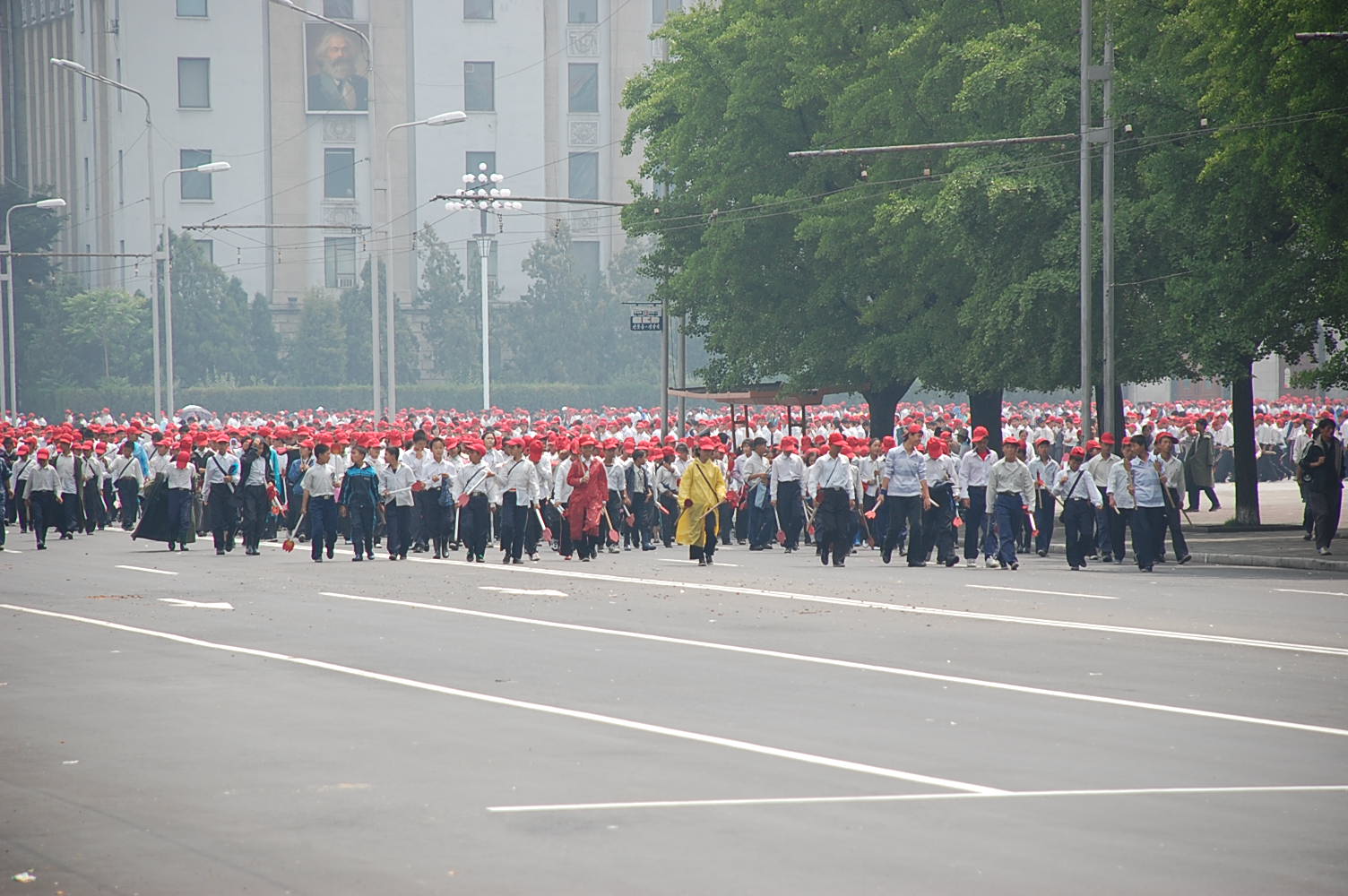
Kim Il Sung Square is a focal point for the regime’s massive parades and political demonstrations. Rare images snapped by foreign journalists, such as those from the Associated Press in 2023, reveal the scale and choreography of these events. Tens of thousands of participants stand in perfectly aligned formations, each movement meticulously rehearsed for weeks. Drones and security guards monitor every angle to prevent any unsanctioned behavior. Despite the spectacle, the faces in the crowd often appear tense and emotionless, a stark contrast to the jubilant energy shown on state TV. After the events, the square quickly empties, returning to a state of surveillance and silence. Such images highlight the regime’s obsession with order and image management, often at the expense of genuine public spirit.
Border Towns: The Harsh Reality at the Edge
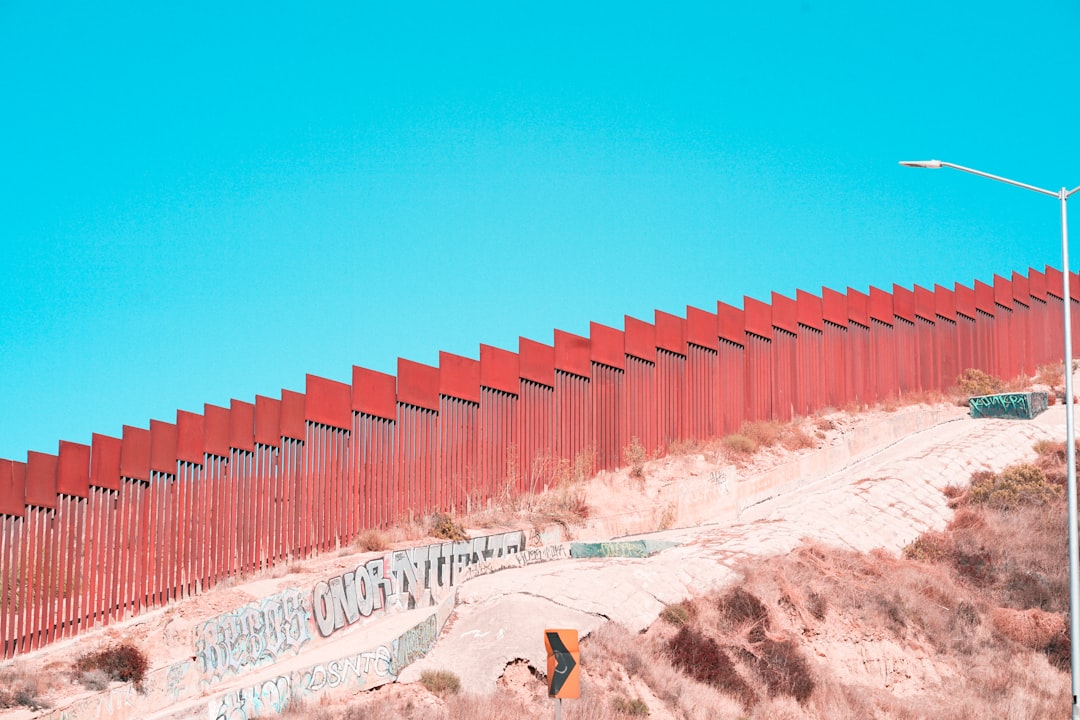
Photos of Sinuiju and Hyesan, two major border towns, show a world far removed from Pyongyang’s carefully curated image. Satellite images from 2024 reveal makeshift markets, called jangmadang, where locals trade smuggled goods from China. These markets operate in the shadows of heavy military patrols and razor-wire fences. Reports from defectors confirm that food scarcity is severe here, with blackouts occurring almost nightly. The Yalu River, separating North Korea from China, is often frozen in winter, and images show desperate attempts at clandestine crossings—a crime punishable by death. The contrast between the border’s impoverished neighborhoods and the regime’s propaganda is stark, exposing the country’s deep economic divides.
Rural Life: Hardship and Hunger in the Countryside
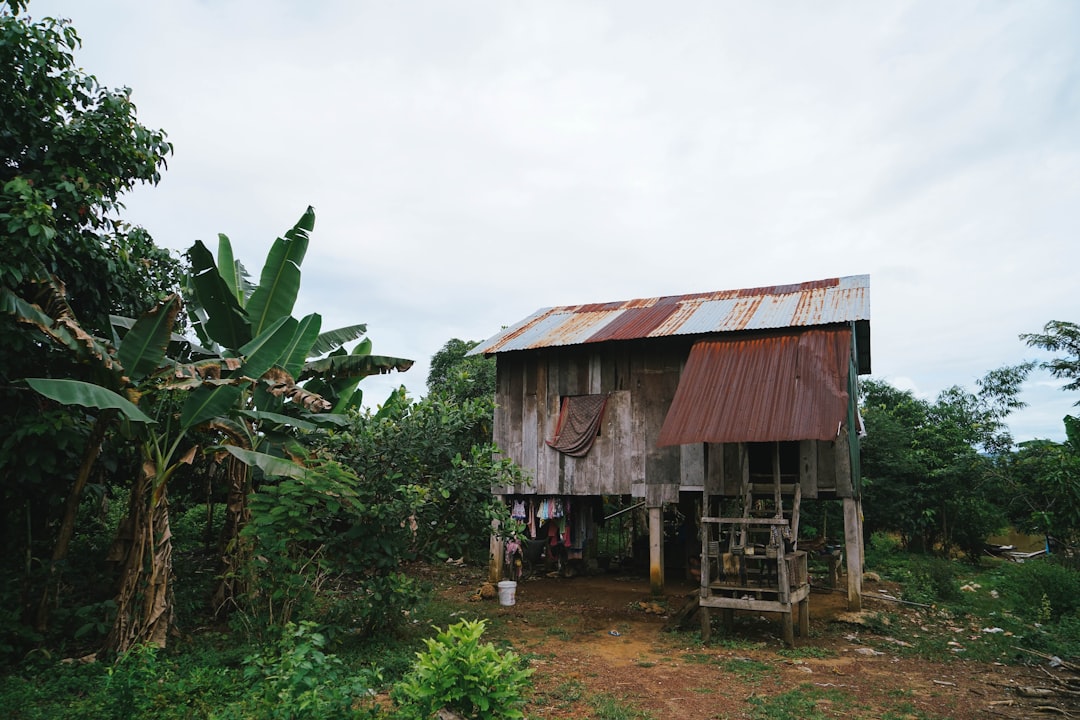
Outside the cities, rare photos published by aid organizations like the World Food Programme in late 2023 expose rural deprivation. Mud-brick homes with thatched roofs stand amid barren fields, many left fallow due to fertilizer shortages. According to the WFP, over 40% of North Koreans remain chronically undernourished, with harvests in 2023 falling by 12% compared to previous years. Children can be seen carrying water from wells several kilometers away, as indoor plumbing is a luxury in most villages. Livestock is scarce; goats and chickens roam freely, often scavenging for scraps. Farmers use oxen instead of tractors, highlighting the lack of modern equipment. These images challenge the regime’s claims of rural prosperity.
Hospitals and Health Care: Stark Contrasts and Desperation
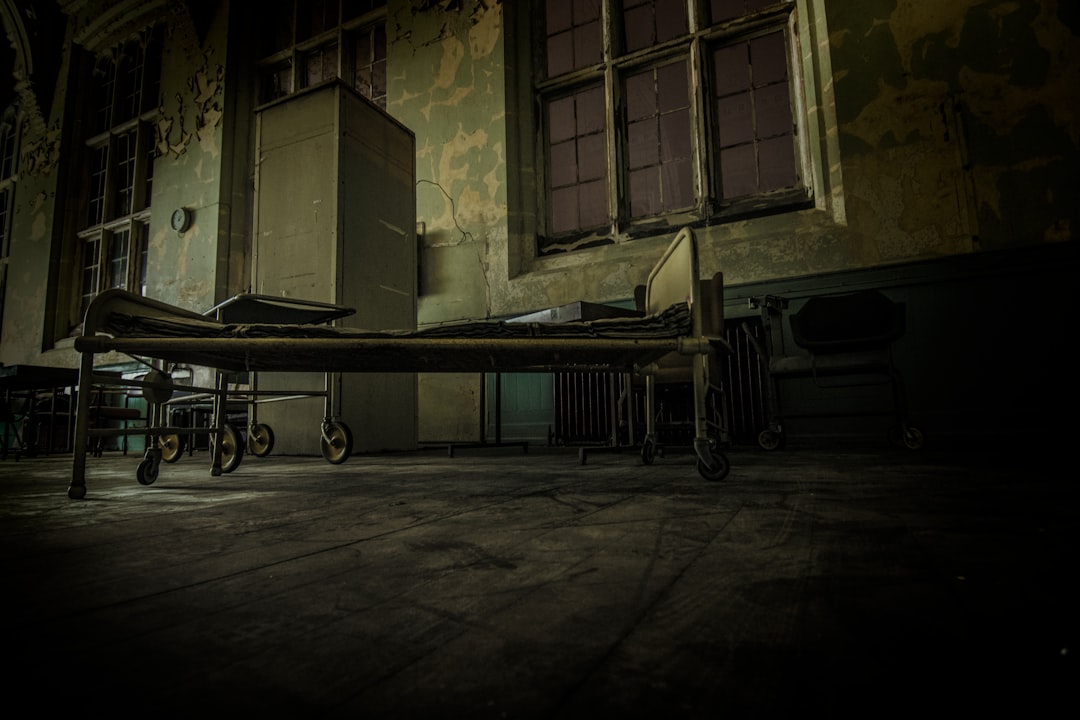
Photos smuggled out by the organization Liberty in North Korea in early 2024 show the grim reality inside provincial hospitals. Rusting beds, peeling paint, and rooms crowded with patients paint a dire picture. Medical supplies are alarmingly scarce; syringes and bandages are frequently reused, increasing infection risks. The World Health Organization reported in March 2024 that only 30% of hospitals outside Pyongyang have a regular electricity supply. Doctors often rely on herbal remedies or outdated Soviet-era equipment that hasn’t been replaced in decades. Images of malnourished children and tuberculosis patients speak to systemic neglect. These photos are rarely seen outside North Korea, as the regime tightly restricts access.
The Military First: Everyday Militarization and the Army’s Presence
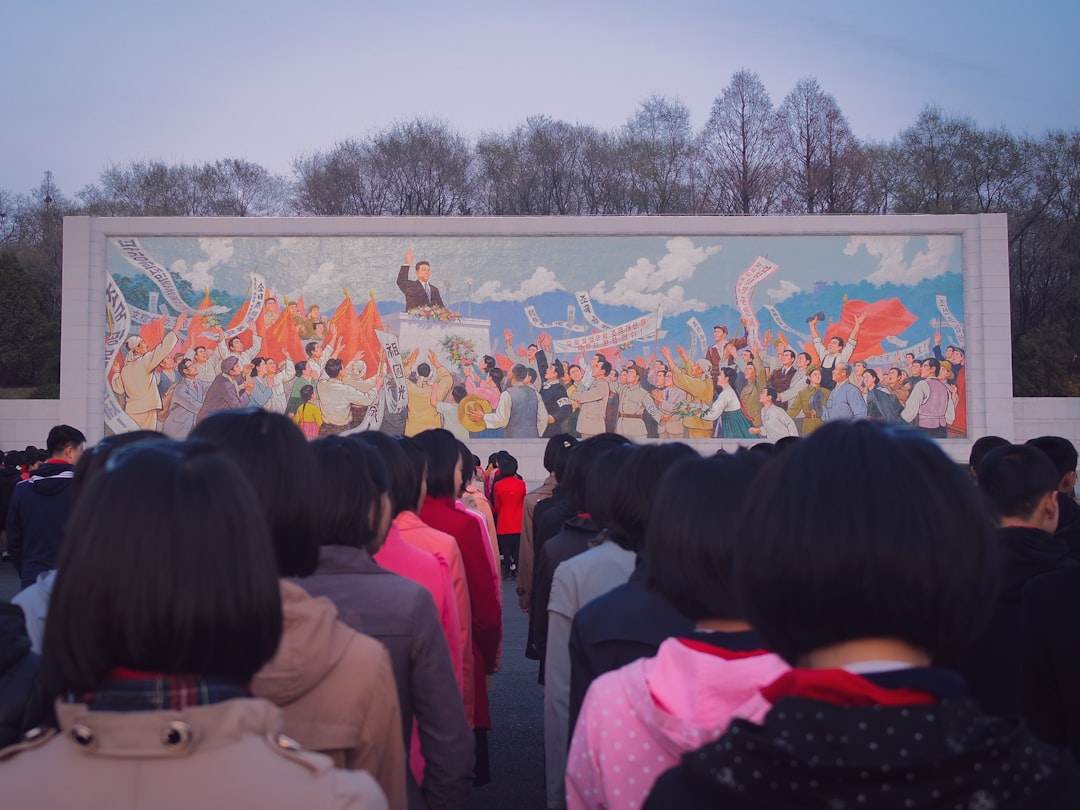
Photographs taken by satellite and rare ground-level images obtained by Human Rights Watch in December 2023 reveal the overwhelming presence of military infrastructure. Soldiers in full uniform are a constant sight, even in remote villages and agricultural zones. According to South Korean intelligence, North Korea maintains the world’s fourth-largest standing army, with over 1.2 million active personnel. Images show military trucks repurposed for civilian use—transporting crops, building materials, and sometimes even schoolchildren. Checkpoints dot every major road, and civilians are routinely stopped for identification checks. The militarization of daily life is evident everywhere, underscoring the regime’s focus on security over civil development.
State-Controlled Amusement: The Empty Rides of Pyongyang’s Theme Parks
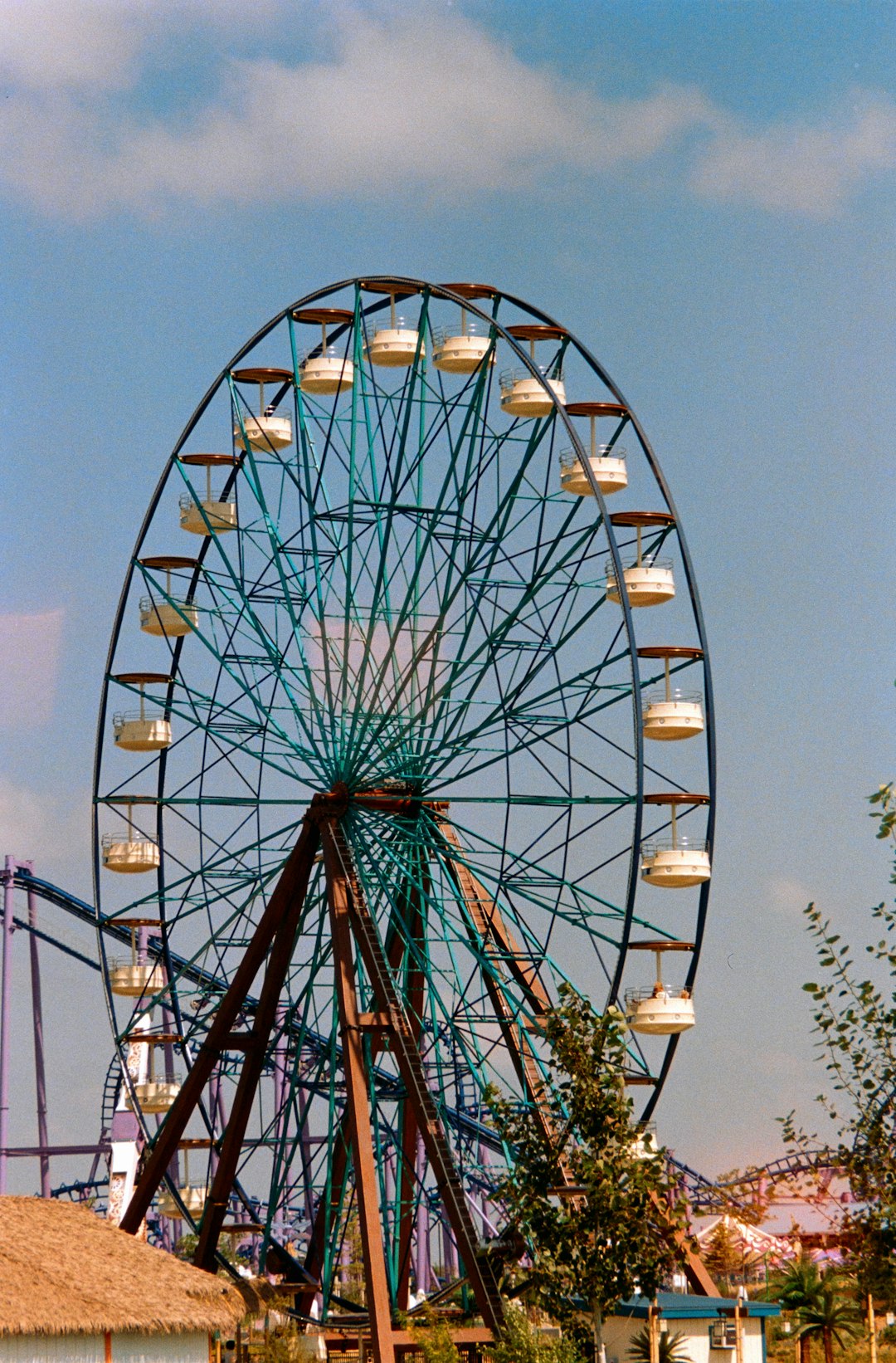
Unveiled to foreign media in 2023, the Munsu Water Park and Kaeson Youth Park are two of Pyongyang’s flagship amusement venues. However, candid photos reveal a curious emptiness: rides sit idle, and pools are often devoid of swimmers. Locals report that these facilities are reserved for party elites and special state occasions, not the general public. Entry fees are prohibitively high compared to average monthly wages, which, according to a 2024 analysis by Seoul National University, remain below $100. Security guards are present everywhere, ensuring that only pre-approved visitors enter. The contrast between the parks’ glossy official photos and the reality of empty attractions is striking. These venues serve more as propaganda tools than genuine entertainment for citizens.
The Forbidden Markets: Underground Trade and Survival
Images secretly taken in 2024 by defectors show the thriving black markets in cities like Chongjin and Hamhung. Vendors sell rice, corn, electronics, and even South Korean soap operas on USB drives—a crime punishable by imprisonment or worse. Despite harsh crackdowns, these markets have become lifelines for millions, with the UN estimating that they account for up to 60% of household income in some regions. Surveillance officers, known as inminban, patrol the markets, looking for contraband and unauthorized gatherings. Children and elderly alike participate, trading small goods for food. These photos reveal a parallel economy operating beneath the regime’s watchful eye, fueled by necessity and ingenuity. The regime’s attempts to stamp out market activity have only driven it further underground.
Schools and Indoctrination: Learning Under Watchful Eyes
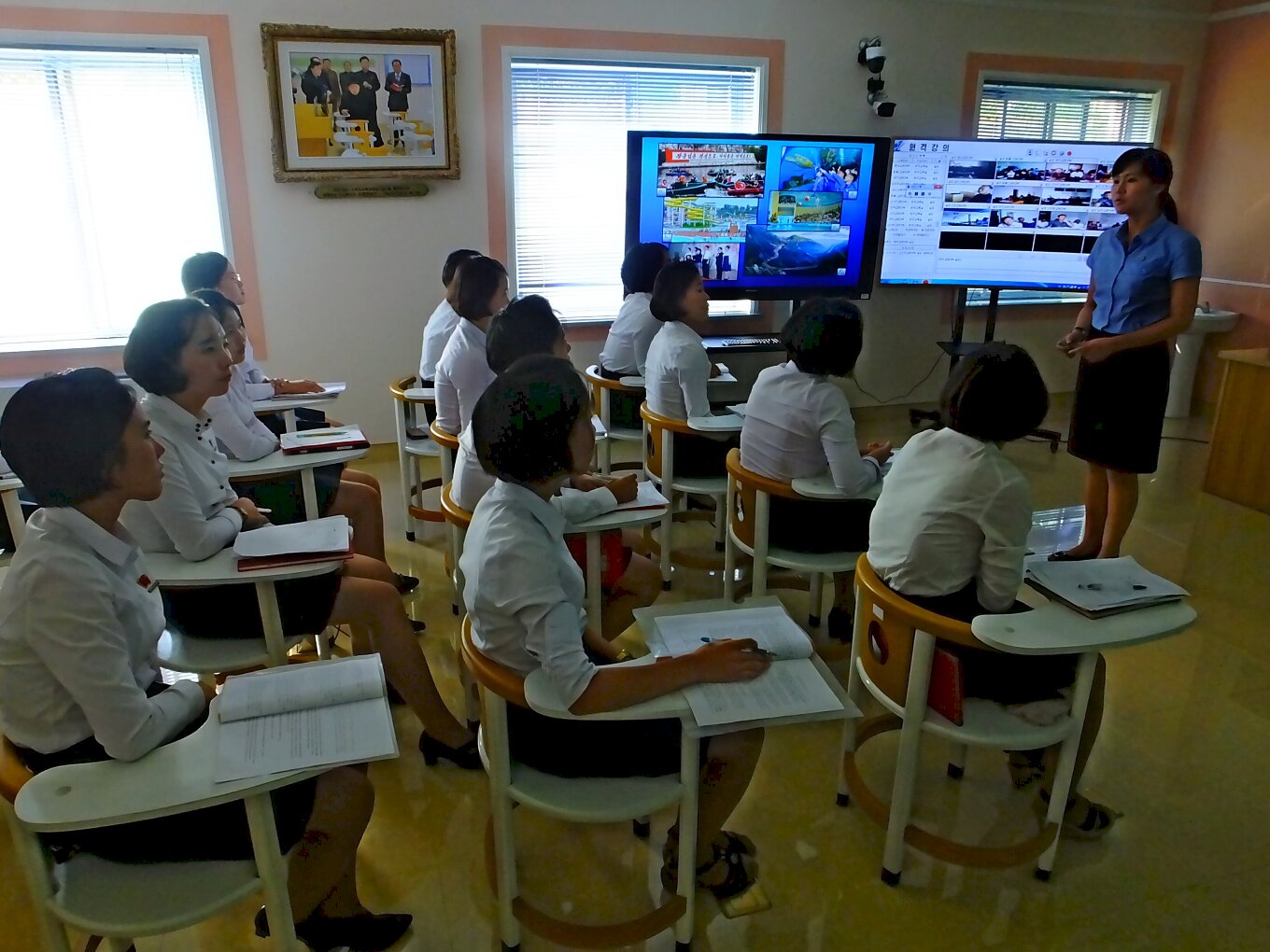
Rare shots from inside North Korean schools, published by Reuters in late 2023, reveal classrooms decorated with portraits of the Kim family. Lessons are dominated by ideological instruction—math and science take a backseat to revolutionary history and loyalty pledges. Students wear identical uniforms, and their daily routines are punctuated by patriotic songs and synchronized exercises. Teachers are often party members tasked with reporting any signs of dissent. Educational materials are strictly censored; foreign languages, except Russian and Chinese, are rarely taught. Attendance is compulsory, and absences are met with home visits by state officials. The regime’s grip on education extends beyond the classroom, shaping young minds from their earliest years.
Nighttime from Space: The Darkness That Tells a Story
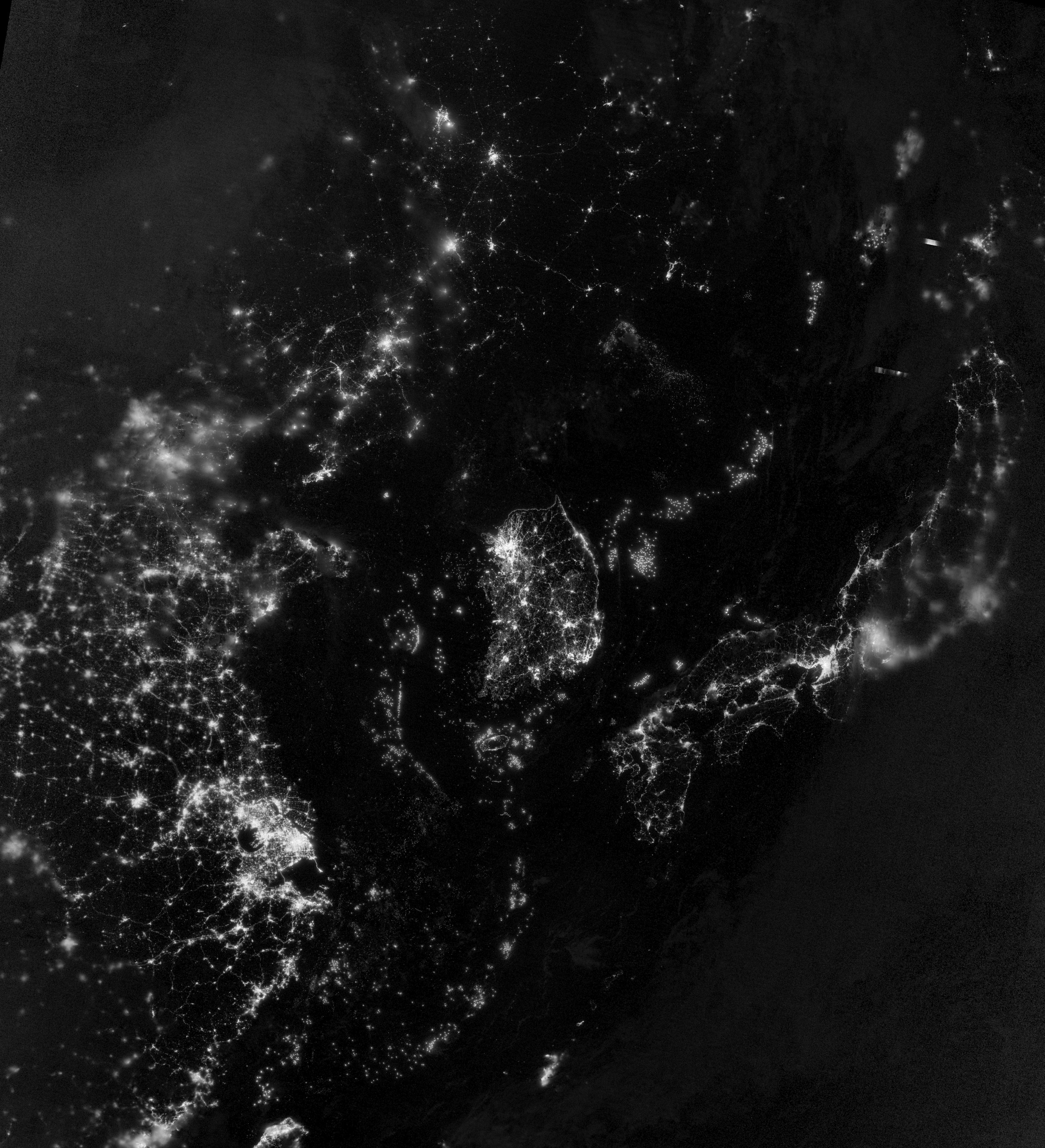
One of the most telling images of North Korea comes not from the ground, but from space. NASA’s 2024 nighttime satellite photos clearly show the country as a dark void amid brightly lit neighbors. Only Pyongyang emits a faint glow, while the rest of the nation is shrouded in darkness due to chronic electricity shortages. According to the International Energy Agency, North Korea’s per capita electricity consumption in 2023 was less than 5% of South Korea’s. Urban blackouts are routine, forcing residents to rely on candles or battery-powered lamps. The lack of light is a stark visual metaphor for the regime’s isolation. These images are so sensitive that officials have reportedly ordered severe punishment for anyone caught sharing them.