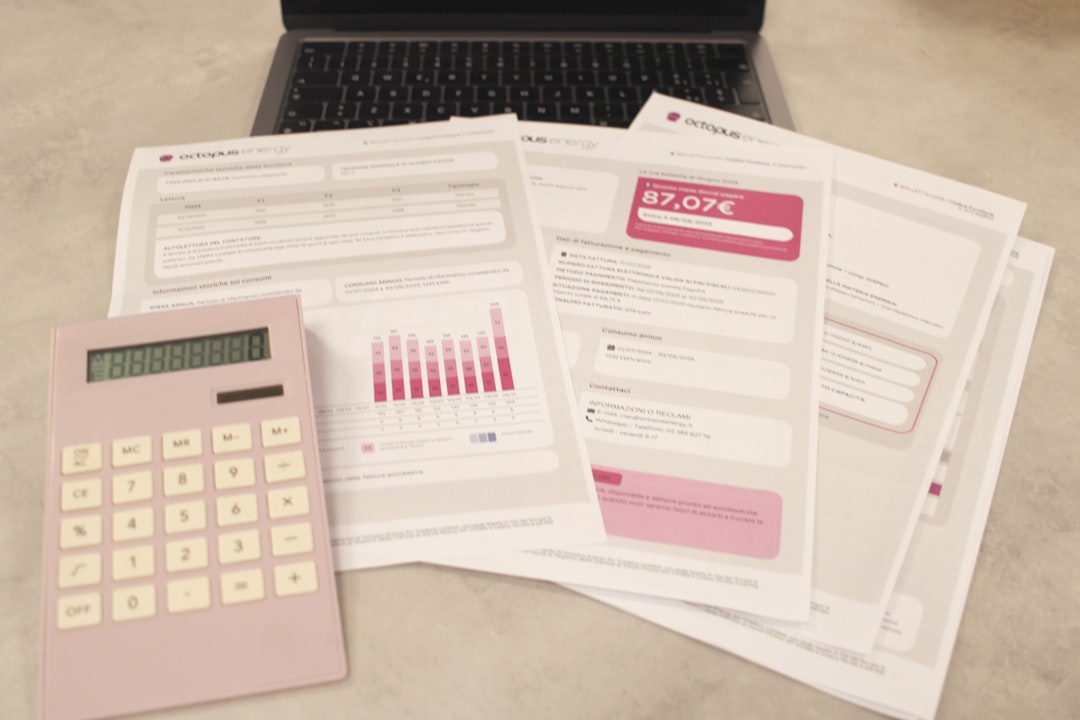
Understanding the Essence of an Accounts Payable Audit (Image Credits: Unsplash)
In an era where financial missteps can erode profits quickly, accounts payable audits emerge as indispensable tools for businesses. These systematic reviews examine a company’s obligations to suppliers, ensuring transactions align with actual operations. Companies that prioritize such audits mitigate risks and foster stronger financial oversight.
Understanding the Essence of an Accounts Payable Audit
An accounts payable audit involves a detailed, independent review of a company’s AP records, including invoices, payments, and vendor data.[1] Auditors scrutinize these elements to verify that liabilities are recorded accurately and completely. This process reveals discrepancies that might otherwise go unnoticed in daily operations.
Two primary types exist: internal audits conducted by company staff and external audits performed by third-party experts. Recovery audits focus specifically on reclaiming overpayments or duplicate charges from vendors. Each approach strengthens the integrity of financial reporting.[2]
Why AP Audits Drive Business Resilience
Financial accuracy stands at the forefront of an AP audit’s value. Auditors confirm that all payables reflect true business activities, preventing understated liabilities that could inflate reported profits. Such precision supports reliable financial statements and informed decision-making.
Fraud prevention ranks equally high. Common schemes include fictitious vendors or inflated invoices, which audits detect through transaction matching and control evaluations. Operational efficiency improves as well, with identified bottlenecks leading to streamlined workflows. Compliance with regulations further solidifies a company’s standing.[3][4]
Key Steps in Conducting an Effective AP Audit
Auditors begin by organizing all relevant documents, such as invoices and payment records. They then perform reconciliations between AP ledgers and bank statements to spot variances. Analytical procedures compare current balances against prior periods for anomalies.
Next, teams validate vendor details and scrutinize internal controls like approval processes. Testing a sample of transactions ensures payments match authorized purchases. The process concludes with reporting findings and recommending improvements.[4][5]
- Gather and organize AP documentation.
- Reconcile accounts and review vendor master files.
- Conduct analytical reviews and sample testing.
- Evaluate internal controls and payment accuracy.
- Document issues and prepare actionable reports.
Best Practices to Fortify AP Processes
Implementing automation tools enhances audit readiness by creating digital trails and reducing manual errors. Segregating duties – separating invoice approval from payment execution – curbs fraud opportunities. Regular training keeps staff vigilant on emerging risks.
Standardizing workflows and setting approval thresholds further bolsters defenses. Companies benefit from periodic self-audits alongside formal reviews. These measures not only ease audits but also minimize day-to-day discrepancies.[6][7]
- Adopt AP automation for real-time tracking.
- Enforce segregation of duties.
- Conduct vendor due diligence routinely.
- Set multi-level approvals for high-value payments.
- Perform surprise audits quarterly.
- Leverage analytics for anomaly detection.
Key Takeaways
- AP audits ensure transaction accuracy and completeness.
- They detect fraud early, protecting cash flow.
- Strong processes yield efficiency and compliance gains.
Accounts payable audits transform potential vulnerabilities into strengths, securing a business’s financial foundation. Proactive implementation yields lasting returns through reduced losses and optimized operations. What audit strategies has your team adopted? Tell us in the comments.