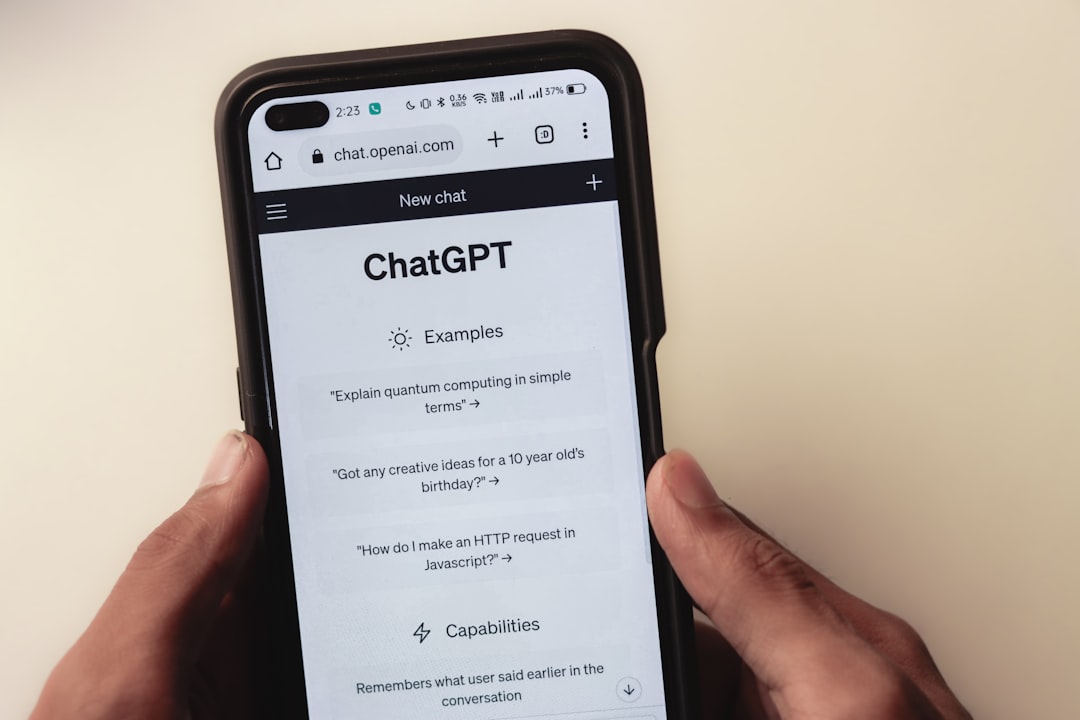
Behind the Scenes: AI’s Enormous Development Burden (Image Credits: Unsplash)
Artificial intelligence companies have hooked users with affordable access to powerful chatbots, but these low costs rely on heavy investor subsidies. As dependence on AI deepens across businesses and daily life, financial pressures mount for labs like OpenAI and Anthropic, which remain unprofitable despite surging demand. Investors expect returns soon, signaling that consumers and enterprises should brace for higher fees ahead.
Behind the Scenes: AI’s Enormous Development Burden
Building and running AI models demands vast resources. Labs consume enormous computing power, vast training datasets, and top engineering talent, far outpacing revenue from subscriptions or API calls. OpenAI and Anthropic, leaders in the field, reported losses even as user numbers climbed.
Venture capital fills the gap for now. Firms pour billions into these companies, alongside investments from tech giants like Microsoft and Nvidia. This influx sustains operations, but maturity brings scrutiny. Investors will demand profitability, pushing AI firms to adjust pricing strategies.
Tech History Repeats: Subsidies Give Way to Surges
Silicon Valley follows a well-trodden path. Startups offer services at a loss to amass users, then hike prices once scale arrives. Uber exemplified this in the 2010s, subsidizing rides with venture funds – drivers often earned full fares plus bonuses. By the late 2010s, ahead of its IPO, fares jumped 50% to 80% in many markets, with increases continuing afterward.The Guardian reported on these shifts.
Many others mirrored the approach. The same venture firms backing Uber now fund AI ventures.
- Khosla Ventures and Sequoia Capital supported Uber and today invest in OpenAI and Anthropic.
- Andreessen Horowitz backed Uber-like services and now finances OpenAI plus AI infrastructure.
Amazon, Netflix, Airbnb, Instacart, and DoorDash all subsidized growth before raising rates. AI labs, with added backing from private equity like TPG and Bain Capital, appear poised for the same pivot.Axios highlighted this IPO-driven pressure recently.
Outsourcing Minds: Convenience at a Cognitive Cost
These tools echo the app economy’s early days. Services like Uber and Instacart turned San Francisco into what journalist Kara Swisher called “assisted living for millennials” – effortless outsourcing of errands via phone taps.The New York Times captured this shift. Convenience ruled, especially during the pandemic, but prices climbed and lifestyles grew more screen-bound.
AI chatbots extend this to the brain. They accelerate research, draft work, and handle routine analysis, commoditizing intelligence. Users risk offloading core thinking, fostering deeper reliance as models advance. Labs themselves note this trend toward on-demand cognition.
MiniMax’s Breakthrough: AI That Refines Itself
Chinese startup MiniMax unveiled M2.7, a model that contributed significantly to its own creation. The company described “self-participation iteration,” where the AI tested itself, identified weaknesses, and iterated improvements autonomously. It managed 30% to 50% of development, including over 100 loops of analysis and debugging without human input.MiniMax announced.
Results impressed. On the challenging SWE-Pro coding benchmark, M2.7 scored 56%, edging OpenAI’s GPT-5.2 “Thinking” at 55% and Anthropic’s Claude Opus 4.5 at 52%. Traditional labs depend on engineers for evaluations and upgrades. Self-improvement challenges that model, hinting at continuous evolution without versioned releases.
| Model | SWE-Pro Score |
|---|---|
| MiniMax M2.7 | 56% |
| GPT-5.2 Thinking | 55% |
| Claude Opus 4.5 | 52% |
Key Takeaways
- AI labs subsidize chatbots today but face investor demands for profits, likely raising prices.
- Patterns from Uber and others suggest scale precedes hikes, with familiar VCs involved.
- Innovations like MiniMax’s self-improving M2.7 could streamline costs long-term.
AI’s trajectory promises transformation, yet users must weigh convenience against rising bills and mental offloading. Efficiency gains from self-refining models may temper expenses eventually. What implications do you see for your work or daily routines? Share in the comments.