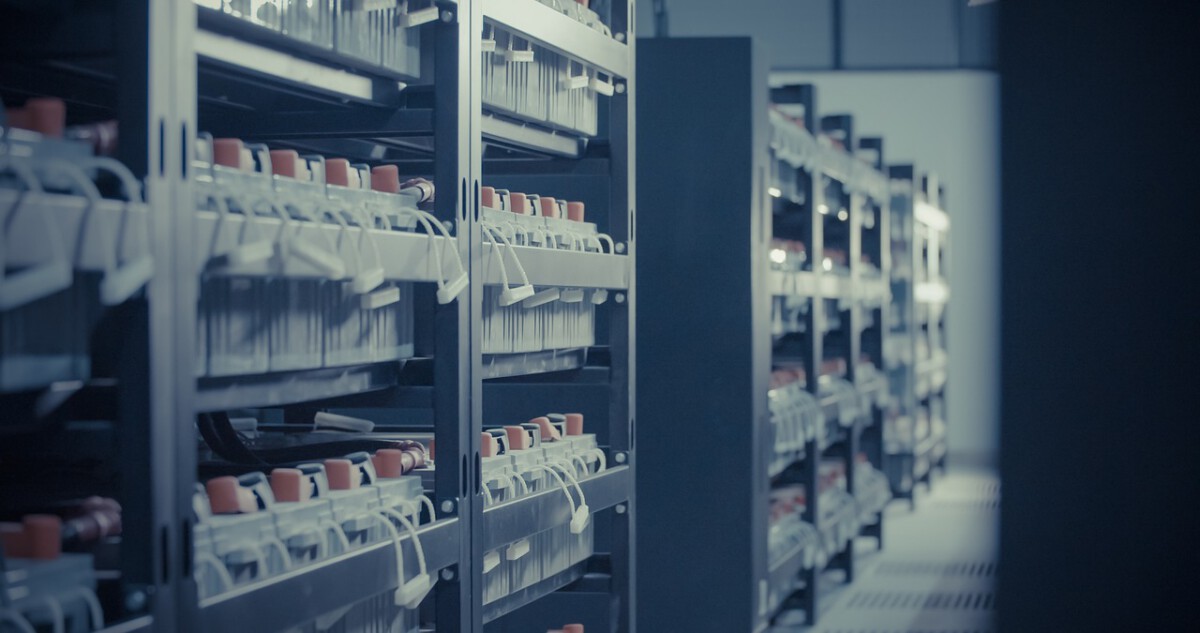
Surge in Electricity Consumption Reshapes Grid Priorities (Image Credits: Pixabay)
Artificial intelligence continues to reshape economies and technologies, but its rapid expansion in data centers places unprecedented strain on power systems. These facilities now draw electricity comparable to that of entire small cities, challenging grid reliability nationwide. Forecasts indicate electric demand will climb nearly 16% by 2029, propelled largely by data center growth alongside manufacturing and strategic sectors. As operators seek stable energy, solutions like advanced batteries gain prominence to bridge gaps in supply.
Surge in Electricity Consumption Reshapes Grid Priorities
Two years prior, global data centers accounted for 460 TWh of electricity generation. Projections show this figure doubling to 1,000 TWh by 2030 and reaching 1,300 TWh by 2035, according to the International Energy Agency’s analysis on energy supply for AI. In the U.S., data centers stand as primary contributors to rising loads, as outlined in a 2024 national load growth report.
This escalation demands innovative management. Operators increasingly integrate large-scale storage to handle peaks and shifts. Such measures prevent blackouts and optimize renewable sources, ensuring continuous AI processing.
Batteries Emerge as Essential Stabilizers
Large-format lithium-based batteries have evolved from backup roles to core operational tools in AI facilities. They enable load shifting, peak shaving, and seamless renewable energy dispatch. Predictable usage cycles enhance longevity and efficiency.
Grid operators rely on these systems for resilience. As AI scales, batteries underpin the “always-on” requirement, mitigating risks from volatile demand. Technological progress in lithium chemistries further amplifies their viability for sustained deployment.
Foreign Dependence Threatens Supply Chain Stability
The U.S. sources nearly three-quarters of its lithium-ion batteries from abroad, creating vulnerabilities amid surging needs. Critical minerals such as lithium, nickel, and cobalt face acute shortages without domestic ramp-up. A recent analysis highlights this exposure in minerals, batteries, and U.S. reliance on Chinese imports.
Data center expansion accelerates mineral hunger. Current initiatives fall short of matching AI’s pace. Strategic gaps risk hampering national competitiveness in computing advancements.
Recycling Unlocks Domestic Mineral Reserves
End-of-life batteries from vehicles, consumer devices, and storage units hold recoverable minerals already within U.S. borders. Recycling extracts lithium, nickel, cobalt, and others from these sources, feeding them back into production loops. This closed-loop strategy reduces import reliance.
Refinement processes convert scrap into battery-grade materials. Abundant domestic feedstock – from roadsides to garages – positions recycling as immediate relief. Benefits extend beyond supply:
- Strengthens national security by localizing key inputs.
- Revitalizes manufacturing, including mineral processing.
- Enhances global standing in the AI competition.
- Supports sustainable practices through reuse.
- Lowers costs via efficient recovery.
Infrastructure Investments Chart the Path Forward
Scaling recycling and refinement facilities remains crucial for independence. Capacity must span extraction from used batteries to new cell production. This end-to-end leadership secures AI data centers’ power needs.
Demand for batteries ties directly to uninterrupted AI operations. A robust mineral chain offers competitive edges in the international race. Investments here promise long-term grid stability and innovation leadership.
In the end, mastering critical mineral recycling stands as America’s strategic pivot to fuel AI’s ascent without compromise. Domestic supply chains will determine who leads this transformative era.
- AI data centers drive electricity demand to double globally by 2030.
- U.S. imports nearly 75% of lithium-ion batteries, heightening risks.
- Battery recycling provides immediate access to essential minerals like lithium and cobalt.
What steps should the U.S. prioritize to secure its mineral future? Share your views in the comments.