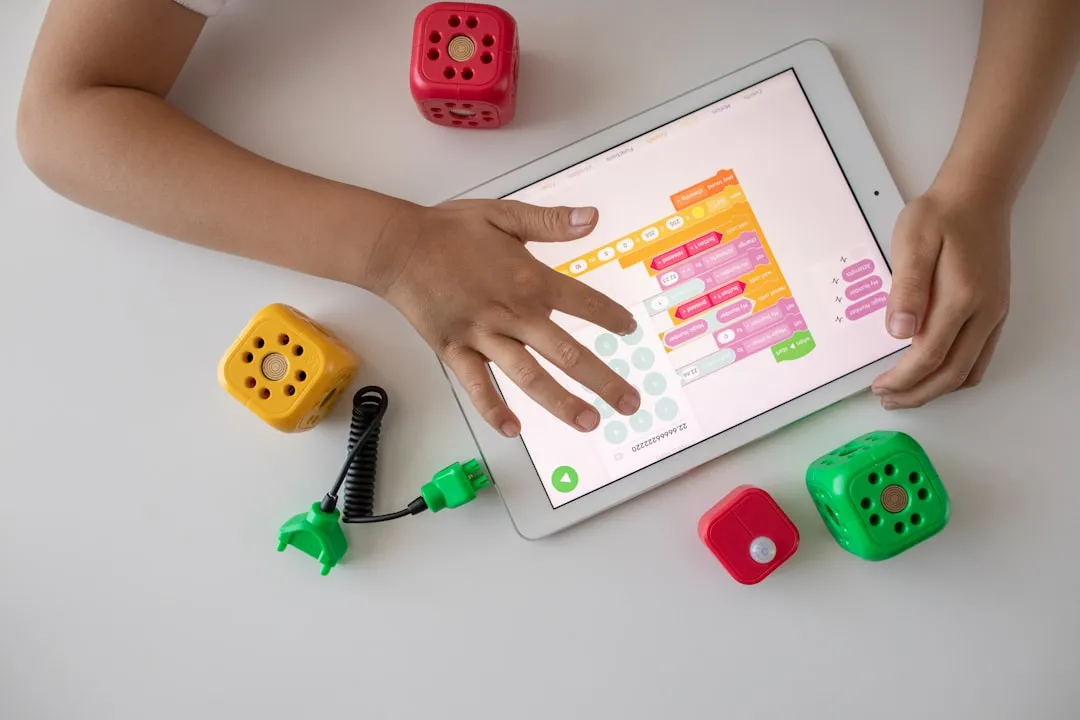
The AI Disruption in Everyday Assessments (Image Credits: Unsplash)
Generative AI has upended traditional methods of gauging student understanding, prompting educators to rethink formative assessment practices that once reliably tracked progress.
The AI Disruption in Everyday Assessments
Eighty percent of educators viewed formative assessment as extremely or very important before AI tools became ubiquitous. These ongoing checks – through quizzes, essays, and assignments – helped instructors adjust teaching based on real-time insights into learner needs. However, generative AI now generates polished outputs instantly, clouding the line between student effort and machine assistance.
This challenge extends beyond classrooms to workplace training, where similar tools test worker readiness. Instructors struggled to discern genuine comprehension amid AI-generated work. The shift forced a reckoning: assessments rooted in final products no longer suffice in a tech-driven world.
Shifting Focus to Visible Thinking
Redesigned assessments that emphasize thought processes over polished results neutralize AI’s interference. Students explain their reasoning, reflect on revisions, or detail problem-solving steps, making their understanding transparent. Educators then identified misconceptions sooner and delivered precise feedback without added burden.
Such approaches align with professional realities, where AI use proves expected. Workers succeed by verifying AI outputs, adapting them to unique contexts, and applying critical judgment. Tasks demanding analysis, novel applications, and ethical tool use better prepare learners for these demands. This evolution simplifies evaluation while fostering deeper skills.
Educator Advantages in an AI-Integrated World
AI tools streamline routine tasks for teachers, generating practice questions, feedback suggestions, or leveled examples. This freed time for meaningful interactions that personalized learning. In large classes or remote settings, AI surfaced patterns across student work, enabling adaptive instruction.
Pearson research highlighted strategies for school and higher education instructors to adapt formative assessments amid generative AI. Visibility into learner patterns sharpened teaching focus. Yet, success hinged on collaboration among leaders, administrators, and policymakers to craft AI policies and training.
Building Sustainable Change
Institutions must prioritize assessments rewarding reasoning and application over replication. AI emerges as a catalyst when integrated thoughtfully, enhancing rather than replacing human insight. Collaborative efforts ensured alignment across curriculum, instruction, and evaluation.
Key stakeholders provided clear strategies, supported professional development, and fostered ecosystems for responsible AI use. This groundwork promised sustained progress without overwhelming educators.
- Emphasize process over product to make thinking visible and reduce AI disruption.
- Leverage AI for automating routines, gaining insights, and personalizing feedback.
- Institutions need unified policies and training for effective integration.
Formative assessment endures as the cornerstone of effective teaching, now empowered by AI to deliver deeper insights and equitable outcomes – what steps will your organization take next? Share your thoughts in the comments.