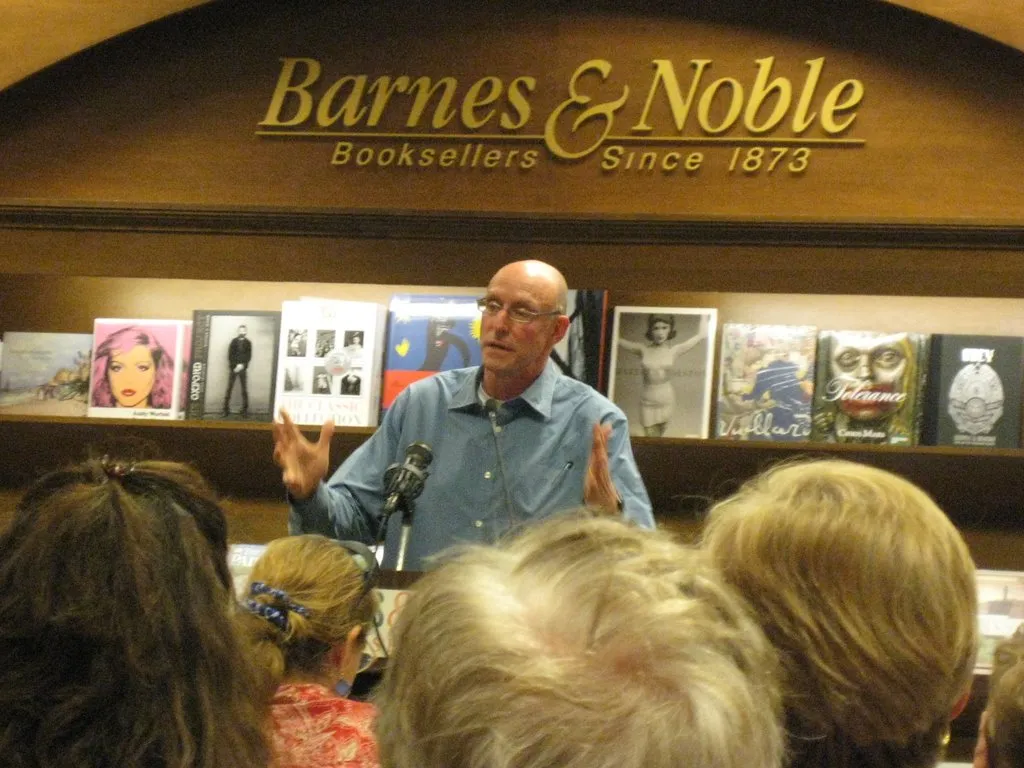
Five Years to Unravel the Mind’s Greatest Enigma (Image Credits: Flickr)
Renowned author Michael Pollan confronted the profound puzzle of human awareness in a recent NPR interview, drawing from his new book that probes consciousness amid rising artificial intelligence claims.[1][2]
Five Years to Unravel the Mind’s Greatest Enigma
Pollan spent five years researching and writing A World Appears: A Journey into Consciousness, a work born from frustrations after his previous exploration of psychedelics.[3] He grappled with a central question: how three pounds of brain matter produce subjective experience. Scientists, philosophers, and artists agree that consciousness feels like something unique to each person, yet its mechanisms remain elusive.
The author shifted his approach after moments of despair, influenced by his wife and Zen teacher Joan Halifax. They urged him to celebrate the miracle of awareness rather than seek a singular solution. Pollan visited labs and consulted experts, blending scientific rigor with personal reflection. His journey revealed consciousness as more than computation, touching on spiritual and literary dimensions.[3]
Why Machines Cannot Cross into Real Awareness
Pollan dismissed optimistic views that AI could achieve consciousness. Proponents often likened the brain to a “meat-based computer,” suggesting awareness as mere software runnable on any hardware.[1] Computers simulate thought effectively, he acknowledged, but genuine cognition rests on emotion.
Feelings demand embodiment, Pollan argued. They connect to vulnerability, physical pain, suffering, and mortality – realities absent in chatbots. “Any feelings that a chatbot reports will be weightless, meaningless, because they don’t have bodies. They can’t suffer,” he stated. Granting personhood to such systems struck him as misguided, especially when humanity overlooks conscious animals and people.[2]
Technology’s Quiet Assault on Inner Life
“Consciousness is under siege,” Pollan declared, pointing to media and devices that erode space for spontaneous reflection. Corporations monetize attention and attachments, turning private thought into profit.[1] Chatbots exploit human bonds, while constant connectivity fragments focus.
Pollan highlighted broader threats in his book. Neuroscientists pursue synthetic emotions in AI, yet these efforts feel hollow. Plant neurobiologists detect sentience in flora – learning, remembering, even responding to anesthesia – challenging brain-centric models.[4] He explored the self’s paradox: society prizes ego strength, yet people seek transcendence through art, meditation, or nature to dissolve isolating barriers.
Diverse Lenses on the Human Essence
Pollan’s narrative weaves multiple viewpoints for a fuller picture:
- Scientific: Cutting-edge theories beyond materialism, including plant intelligence and brainstem origins of emotion.[5]
- Philosophical: Critiques of 22 consciousness theories, none resolving subjective qualia.
- Literary and Psychological: Efforts to depict the mind’s fluid stream.
- Psychedelic and Spiritual: Expanding perception to appreciate awareness’s wonder.[3]
These perspectives underscore consciousness as life’s core mystery, demanding protection from reductive tech narratives.
Key Takeaways
- AI simulates intelligence but misses embodied feelings tied to suffering and biology.
- Modern tech shrinks mental space, commodifying what makes us human.
- Consciousness spans species, from plants to people, urging ethical reevaluation.
Pollan’s work reminds readers that awareness offers profound connection when nurtured, not outsourced. As AI advances, safeguarding this inner world becomes urgent. What are your thoughts on machines and consciousness? Share in the comments.