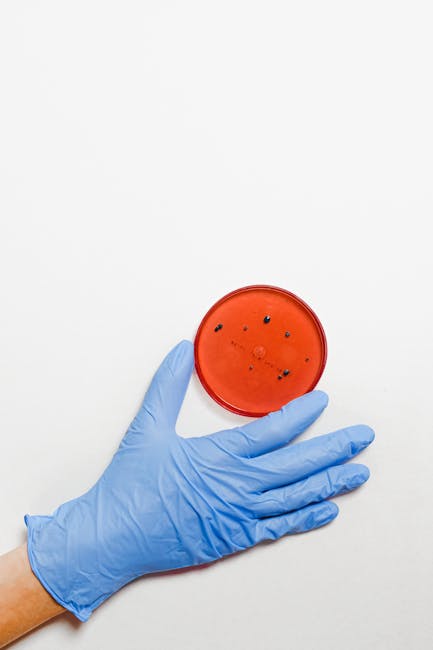
The Alarming Rise of Superbugs (Image Credits: Pexels)
Antibiotic resistance has emerged as one of the most pressing threats to global health, turning common infections into deadly challenges. Bacteria evolve rapidly, rendering many existing drugs ineffective and complicating essential medical procedures worldwide. Artificial intelligence now offers a powerful tool to accelerate the discovery of new antibiotics, potentially averting millions of deaths projected in the coming decades.
The Alarming Rise of Superbugs
A landmark study in The Lancet projected that antibiotic-resistant infections could cause more than 39 million deaths between now and 2050, with resistant bacteria contributing to over 8 million deaths annually by mid-century if trends persist. In 2019 alone, these superbugs led to 1.2 million deaths globally, surpassing the fatalities from AIDS and malaria that year.
Modern medicine depends heavily on antibiotics for surgeries like C-sections, organ transplants, and chemotherapy treatments. As bacteria develop resistance, routine infections become life-threatening, straining healthcare systems everywhere. The World Health Organization has highlighted this crisis through detailed fact sheets on antimicrobial resistance.
Challenges in Traditional Antibiotic Development
Drug discovery through conventional methods proved slow and costly, requiring scientists to screen thousands or millions of chemical compounds to find viable candidates. For decades, the pipeline of new antibiotics shrank as these inefficiencies mounted. Large-scale lab testing limited exploration to small molecule collections feasible for synthesis and evaluation.
Existing drug structures often fell prey to known bacterial resistance mechanisms, necessitating fresh approaches. Researchers struggled to identify novel scaffolds and mechanisms of action amid these constraints. The Centers for Disease Control and Prevention documented the facts and stats underscoring this dwindling supply.
AI’s Precision Edge in Drug Discovery
Artificial intelligence excels at analyzing vast chemical libraries to predict and design compounds likely to combat bacteria, slashing the need for initial manual testing. Machine learning models cut the early discovery phases – hit identification, hit-to-lead optimization, and lead optimization – by 50% to 75%, speeding progress from promising molecules to preclinical candidates.
AI explores tens to hundreds of millions of potential compounds through computer modeling, prioritizing top candidates for lab validation. This method uncovers entirely new chemical structures overlooked in traditional screening. A Nature study demonstrated how such techniques surface innovative options.
Here are key ways AI boosts efficiency:
- Generates hypotheses from massive datasets.
- Prioritizes molecules for synthesis and testing.
- Analyzes biological patterns to refine predictions.
- Simulates interactions with dynamic targets like proteins.
Empowering Teams and Broadening Access
Organizations like Phare Bio integrate AI as a collaborative partner, where models propose ideas and scientists validate them in the lab. This human-machine synergy reshapes drug development across small molecules, antibodies, and protein dynamics simulations. Startups, nonprofits, and academic labs now compete effectively without massive infrastructure.
AI lowers entry barriers by leveraging open datasets and powerful models, fostering a global response to resistance. Smaller teams access tools once reserved for big pharma, democratizing innovation. Wellcome insights explained the historical hurdles in antibiotic development.
Key Takeaways
- AI accelerates discovery by 50-75%, targeting superbugs more effectively.
- It expands explorable compounds from thousands to millions, revealing novel structures.
- Democratization enables diverse teams to join the fight against resistance.
Antibiotic resistance demands urgent innovation, and AI stands ready with its strengths in pattern recognition, scale, and iteration. Paired with human expertise, it promises a new generation of antibiotics to safeguard global health. What do you think about AI’s role in this fight? Share your views in the comments.