From Manual Grind to Automated Efficiency (Image Credits: Pixabay)
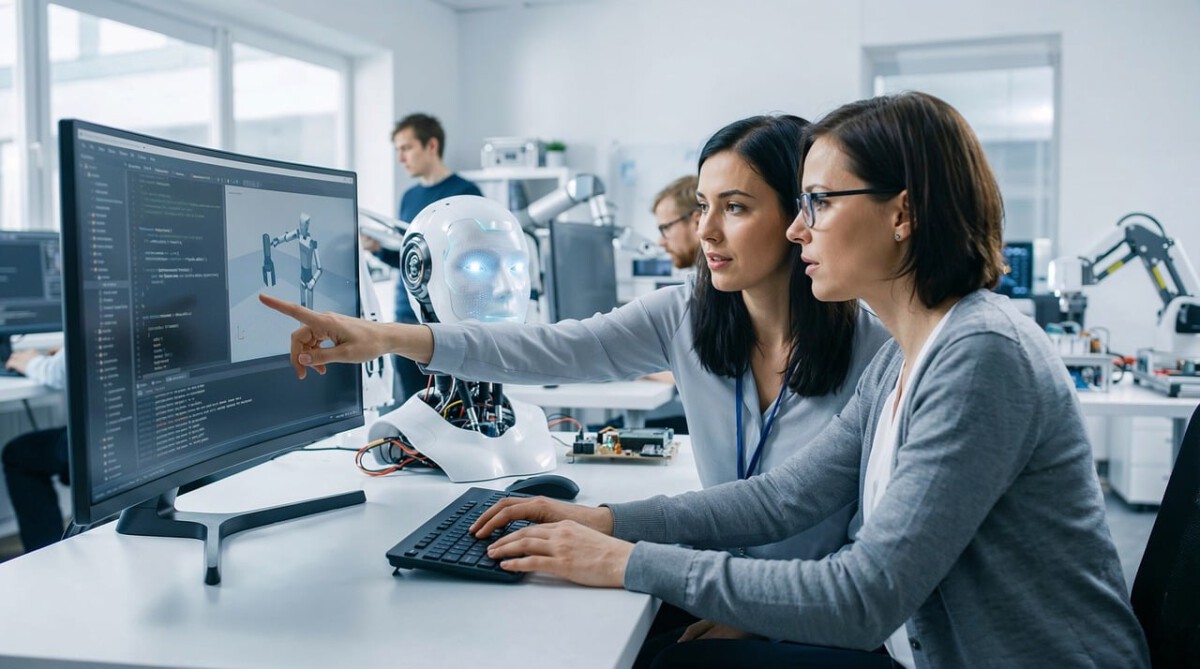
Businesses across industries have begun integrating artificial intelligence into their research processes, automating tedious tasks that once consumed hours. This evolution emerged prominently in recent years, with tools handling data gathering and initial processing to deliver faster results. Researchers now channel their efforts into interpretation, empathy-driven analysis, and compelling storytelling that drives decisions.[1][2]
From Manual Grind to Automated Efficiency
Professionals in market and customer research long spent up to 60 percent of their time on manual tasks like scoping projects and reviewing transcripts. AI workflows changed that dynamic decisively. Tools now generate research plans from product briefs, suggest methodologies, and outline timelines in minutes.[1]
One striking example involved UX teams where AI reduced interview analysis from nearly 30 minutes per session to just five. This acceleration stemmed from natural language processing that extracted key insights and built searchable knowledge bases. Researchers reviewed and refined these outputs, ensuring accuracy while stakeholders gained real-time access to findings. The result proved transformative: teams identified bottlenecks earlier and collaborated more effectively on strategic recommendations.[1]
Key Stages Where AI Excels in Research
AI integrated seamlessly across the research pipeline, starting with goal definition and planning. Systems drafted unbiased questions, recruitment emails, and interview scripts based on simple prompts. This step alone mitigated common pitfalls like leading queries, allowing humans to focus on refining objectives.[2]
During data collection, AI transcribed recordings in multiple languages and took live notes, highlighting pivotal moments. Analysis followed suit, with tools performing initial qualitative coding and thematic clustering five times faster than manual methods. Researchers then interpreted patterns, adding context that machines could not grasp. Reporting wrapped it up by tailoring summaries for diverse audiences, from executives seeking high-level implications to developers needing technical details.[2]
- Planning: AI suggests sample sizes, screening criteria, and alternatives to expert input.
- Collection: Automated transcription and note-taking replace assistants.
- Analysis: Speeds synthesis by grouping data into themes for human review.
- Presentation: Generates customized reports, saving iteration time.
- Feedback: Provides instant post-interview summaries against best practices.
Business Impacts and Productivity Gains
Market research firms reported 85 percent of professionals experiencing workflow improvements through automation. Data cleaning, weighting, and crosstabs once took days; AI handled them in hours, ensuring integrity from the start. This shift enabled analysts to pose deeper strategic questions rather than wrestle with processing errors.[3]
Consumer goods companies like Colgate-Palmolive leveraged AI for quick access to proprietary data and trends, accelerating product concept testing. Employees queried vast datasets directly, boosting creativity in development. Similarly, 88 percent of small and medium businesses adopted AI for efficiencies, with many reinvesting saved time into growth strategies. These cases underscored a pattern: AI elevated competitiveness by 74 percent among users.[4][5]
| Workflow Stage | Manual Time | AI-Assisted Time |
|---|---|---|
| Interview Analysis | 30 minutes | 5 minutes |
| Data Synthesis | Weeks | Days |
| Project Scoping | Hours of back-and-forth | Minutes |
The Human Edge Remains Irreplaceable
While AI mastered patterns and speed, it fell short on context, ethical judgment, and empathy. Researchers supervised outputs, interpreted the “why” behind behaviors, and wove narratives that resonated with stakeholders. This division of labor amplified strengths: machines processed volume, humans crafted meaning.[2]
Feedback loops further honed skills, with AI summarizing technique application post-interview. Teams upskilled collectively, extending expertise across departments. Businesses that embraced this hybrid model reported higher-quality work and innovation, proving AI as an enabler rather than a substitute.[1]
Key Takeaways:
- AI automates 60 percent of manual research tasks, slashing project timelines.
- Researchers shift to interpretation and storytelling, enhancing decision impact.
- 85 percent of market researchers see workflow gains, fueling strategic focus.
AI’s integration into research workflows marked a pivotal advancement for business professionals, balancing efficiency with human insight. This approach promised sustained productivity as tools evolved. What changes have you seen in your research processes? Tell us in the comments.