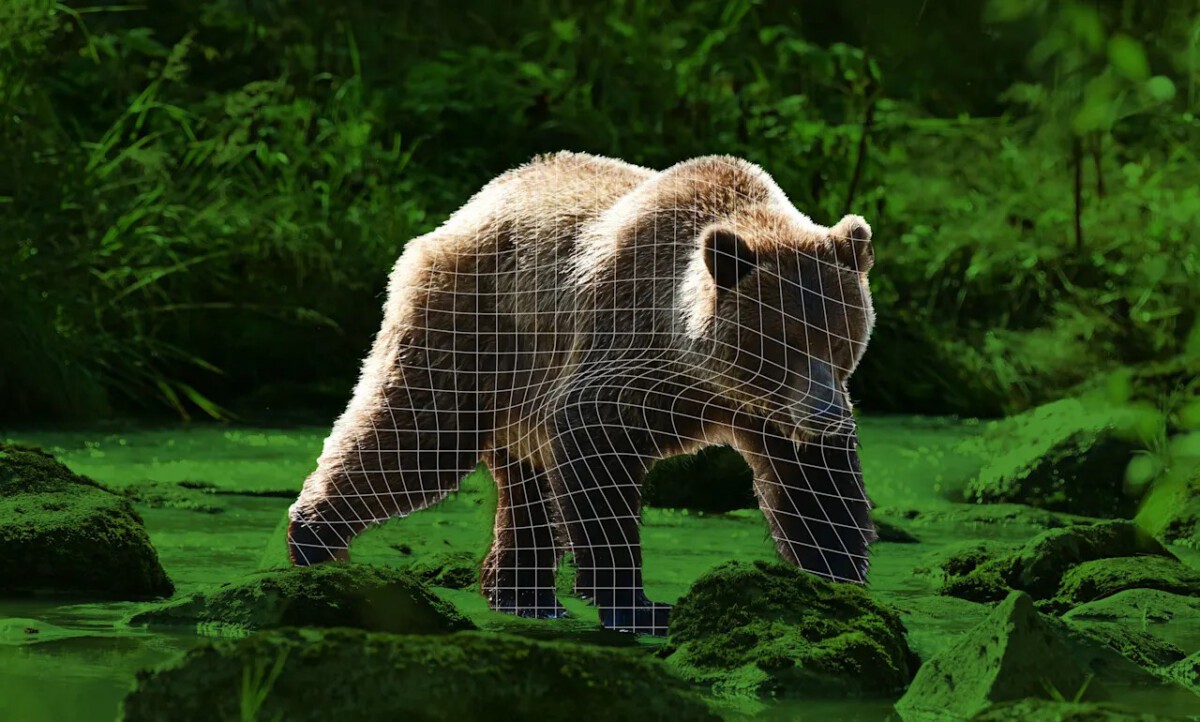

The Perils of Pinpointing Individual Bears (Image Credits: Images.fastcompany.com)
In the remote valleys of British Columbia, a dramatic grizzly bear encounter underscored the urgent need for better tools to distinguish one bear from another in the wild.
The Perils of Pinpointing Individual Bears
Late in November 2025, a mother grizzly with two cubs charged a group of schoolchildren during a field trip near Bella Coola, injuring 11 people, including four with serious wounds. Wildlife officials launched an immediate response, scouring the rugged terrain on foot and from the air to locate the responsible animal. The goal was clear: assess the bear’s behavior and decide whether relocation or euthanasia was necessary to protect the community.
Teams set traps and captured four potential suspects, but DNA analysis from attack-site evidence exonerated each one, leading to their release. After weeks of exhaustive searching, authorities suspended the operation without identifying the culprit. This incident revealed a persistent challenge in wildlife management – bears often resemble one another to the untrained eye, complicating efforts to track individuals exhibiting risky patterns.
Traditional methods like DNA sampling demand direct contact, which proves costly and distressing for the animals. Trapping disrupts their natural routines and heightens stress levels, prompting experts to explore less invasive alternatives. Such approaches not only safeguard bear welfare but also streamline operations for overstretched conservation teams.
BearID Emerges as a Technological Ally
Researchers have turned to artificial intelligence to bridge these gaps, with BearID standing out as a promising innovation. Developed through collaboration between computer scientists Ed Miller and Mary Nguyen, alongside behavioral ecologist Melanie Clapham of the Nanwakolas Council of First Nations, the tool leverages deep learning algorithms to analyze bear photographs.
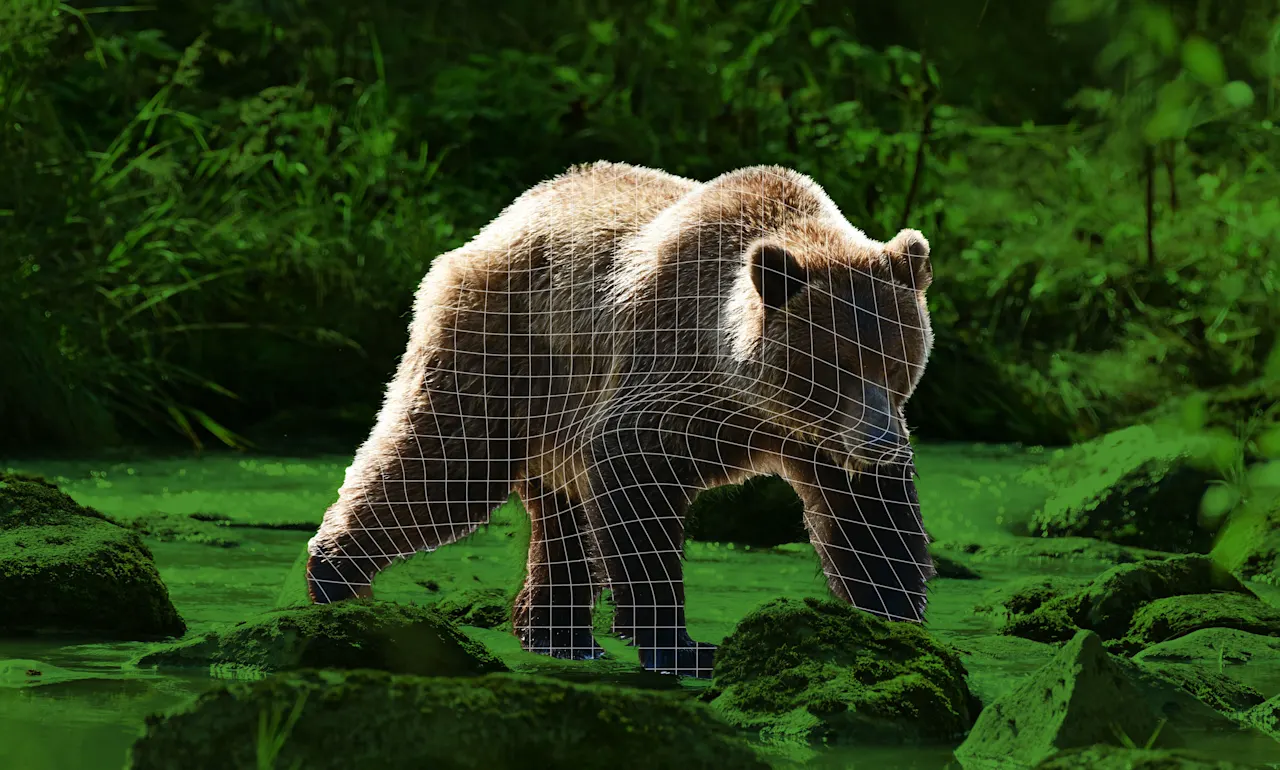
The system focuses on facial geometry – the precise spacing between eyes, nose, and other landmarks – that stays consistent despite seasonal weight fluctuations from spring leanness to autumn bulk. By processing images from sources like Knight Inlet in British Columbia and Katmai National Park in Alaska, BearID creates unique profiles for each bear, enabling matches across time and locations.
Practical applications extend beyond crisis response. The technology aids in estimating population densities more accurately, as repeated sightings of the same individuals refine census data. For Clapham’s studies on grizzly behavior, it allows non-intrusive monitoring, revealing insights into social dynamics and habitat use without repeated captures.
Miller’s complementary webcam detection tool now scans live feeds from Brooks River, flagging bear appearances in real time. The team is also adapting the model for Andean bears in Ecuador, partnering with experts like Rebecca Zug at Universidad San Francisco de Quito to support regional conservation.
Ethical Edges and Public Engagement
Unlike facial recognition applied to humans, which has drawn sharp criticism for privacy invasions and biases, wildlife versions face fewer ethical hurdles. Companies like Meta have scaled back or repurposed human-focused systems amid concerns over misuse, yet animal applications proceed with emphasis on benefits like threat mitigation. Still, risks exist, such as erroneous identifications leading to unwarranted interventions.
Ecologists caution that spotlighting individuals could humanize wild populations, potentially complicating group-level decisions. Naming bears, for instance, might sway public opinion against necessary management actions, like culling for ecosystem balance. Rangers at Katmai National Park debate this, noting how labels like “Killer” or “Fluffy” color perceptions of behavior.
- Enhanced accuracy in identifying conflict-prone bears reduces human injuries.
- Cost savings from minimized trapping and DNA tests free resources for broader habitat protection.
- Deeper behavioral data informs policies on land use and climate impacts.
- Public tools foster appreciation, as seen in events drawing widespread participation.
- Adaptability to other species expands global conservation potential.
Yet, these tools also cultivate stronger connections between people and wildlife. Annual events like Fat Bear Week at Katmai, where viewers voted for favorites such as Bear 32 – known as “Chunk” for his distinctive scars – garnered over a million engagements in 2025. AI could amplify this by automating identifications, making individual stories more accessible and inspiring support for preservation.
Key Takeaways
- BearID offers a non-invasive way to track individuals, improving responses to human-bear conflicts.
- It supports population monitoring and behavioral research without stressing wildlife.
- While ethical debates persist, the technology promises to balance safety and conservation goals.
As AI reshapes how we interact with the natural world, tools like BearID signal a future where technology empowers rather than endangers wildlife management. What role do you see for such innovations in protecting both bears and communities? Share your thoughts in the comments.