

The Eaton Fire’s Unrelenting Assault (Image Credits: Ca-times.brightspotcdn.com)
Altadena – One year after the Eaton Fire ravaged communities under hurricane-force winds, residents continue to navigate a landscape of loss and tentative progress.
The Eaton Fire’s Unrelenting Assault
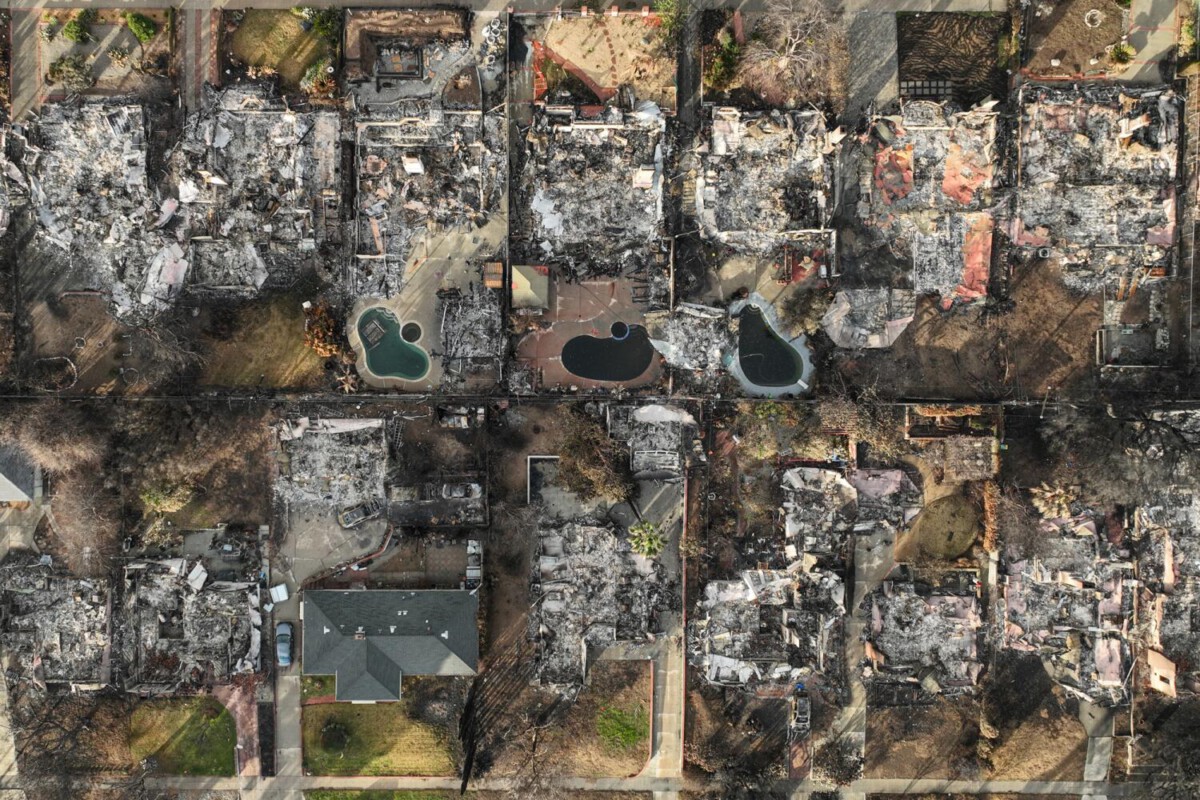
A fierce combination of dry conditions and powerful Santa Ana winds ignited the Eaton Fire on January 7, 2025, in the hills near Eaton Canyon. Firefighters faced extreme challenges as gusts up to 100 miles per hour carried embers across the terrain, grounding aerial support and overwhelming ground crews. The blaze quickly engulfed over 10,000 acres, destroying nearly 1,000 structures and claiming 19 lives in Altadena alone. Displaced families watched helplessly as homes that had stood for generations turned to ash in hours.
The fire’s rapid spread highlighted vulnerabilities in wildfire-prone areas, where urban edges meet wildlands. Emergency declarations followed swiftly, with state resources prepositioned in anticipation of the worsening weather. Yet, the scale of destruction left an indelible mark on the community’s fabric, particularly affecting long-established Black households that formed Altadena’s cultural backbone.
Early Recovery Steps Amid the Debris
In the immediate aftermath, local authorities launched coordinated response efforts to secure the area and provide aid. Los Angeles County established recovery centers offering permitting assistance and financial guidance for survivors. Virtual community meetings became lifelines, updating residents on rebuilding timelines and available grants. By mid-2025, the first signs of progress emerged as crews cleared scorched lots and assessed structural damage.
Small businesses along key streets like Lake Avenue fought to reopen amid supply chain disruptions and lost inventory. Entrepreneurs shared stories of resilience, piecing together operations with county-backed loans. These initial actions fostered a sense of unity, as neighbors volunteered for cleanup drives and mutual aid networks distributed essentials to those still without permanent housing.
Ongoing Hurdles in Rebuilding Homes and Lives
Despite these efforts, reconstruction has proceeded at a frustratingly slow pace. As of early 2026, fewer than a dozen homes have been fully rebuilt across the affected zones, with bureaucratic delays and rising material costs cited as major barriers. Investors have approached some displaced owners with buyout offers even before ashes cooled, raising concerns about gentrification pressures on vulnerable families. Half of Altadena’s Black households suffered direct losses, exacerbating inequities in access to recovery resources.
Permitting processes, though streamlined by new state laws signed in late 2025, still overwhelm many residents navigating insurance claims and environmental regulations. Gas leaks and lingering fire risks persist in some neighborhoods, complicating safe returns. Community leaders have called for expanded federal aid to address these gaps, emphasizing the need for equitable support in fire-scarred regions.
Signs of Hope and Community Strength
Amid the setbacks, milestones offer encouragement. The first post-fire home in Altadena received its certificate of occupancy in late 2025, symbolizing a turning point for rebuilding. County supervisors extended emergency powers to accelerate contracting, injecting momentum into stalled projects. Local organizations hosted reflection events on the anniversary, where survivors recounted acts of solidarity that sustained them through the darkest months.
Broader state initiatives continue to bolster recovery, including predeployment strategies for future threats. These developments underscore Altadena’s enduring spirit, as residents transform grief into collective action. Photographs capturing monthly progress reveal a town slowly reclaiming its identity, one rebuilt foundation at a time.
Key Takeaways
- The Eaton Fire destroyed nearly 1,000 structures and displaced thousands, fueled by hurricane-like winds.
- Rebuilding remains uneven, with only a handful of homes completed after one year.
- Community resources and new laws aim to support equitable recovery for affected families.
As Altadena reflects on a year of trials, the journey forward demands sustained commitment from all levels of government and society. What steps can communities take to better prepare for such disasters? Share your thoughts in the comments.