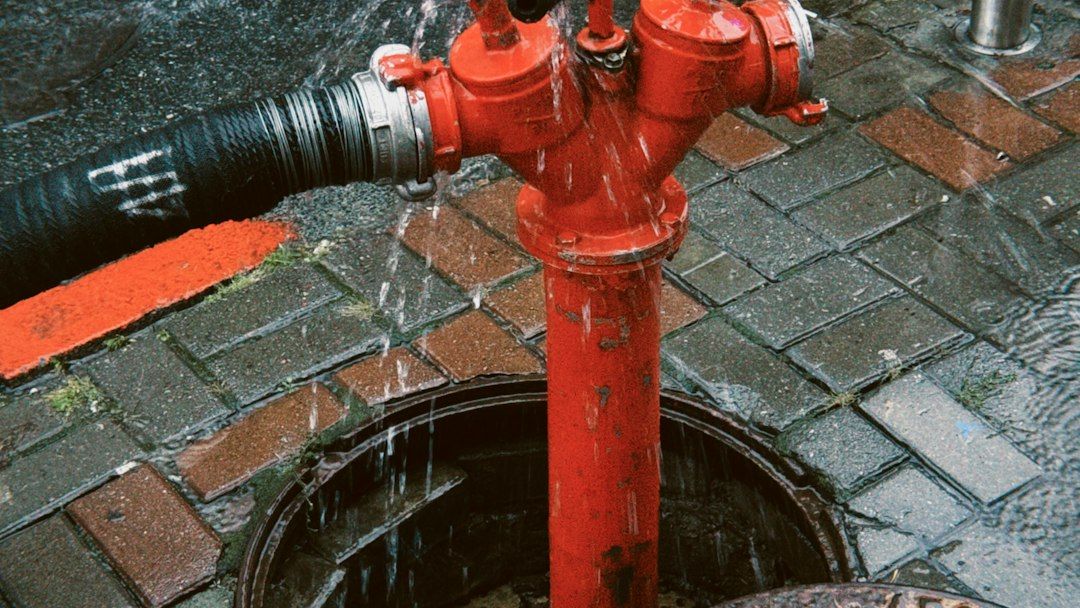

Every time you turn on a faucet or step onto a sidewalk, you’re trusting infrastructure most of us never see. Hidden below our streets lies a vast network of pipes, tunnels, and drains that keeps modern life flowing smoothly. Yet much of this buried skeleton is decades old, quietly deteriorating, and increasingly vulnerable to catastrophic failure.
The numbers tell a sobering story. Across the nation, aging water mains burst on a daily basis, sewers overflow into basements and rivers, and crumbling stormwater systems collapse beneath traffic. These failures don’t just inconvenience commuters. They flood hospitals, close businesses, contaminate drinking water, and expose families to toxic materials like lead. Let’s be real, we rarely think about what’s happening under the pavement until something goes wrong. Then the cost becomes impossible to ignore.
Water Mains on Borrowed Time
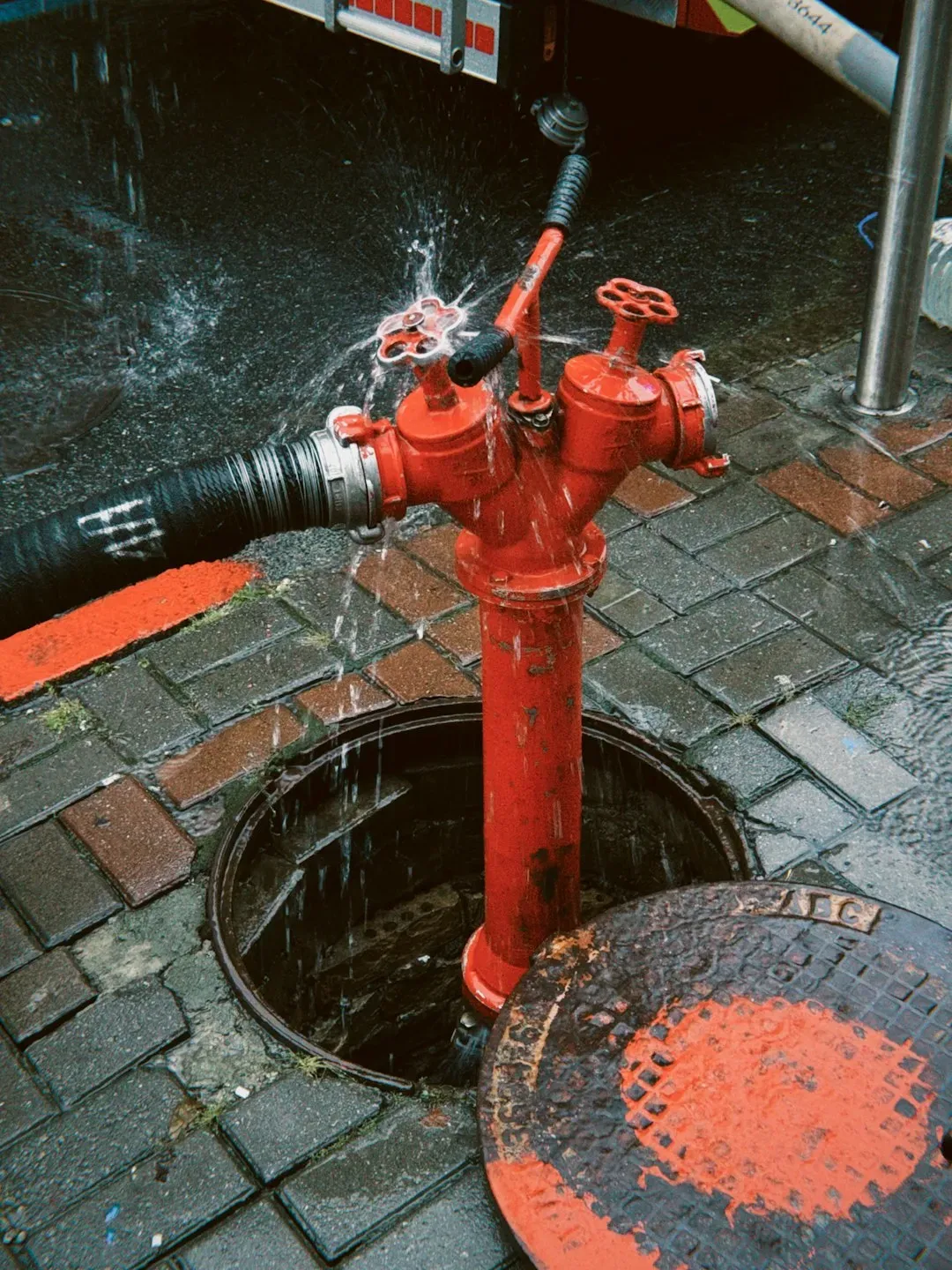
Nearly 20% of installed water mains in the U.S. and Canada are beyond their useful lives, according to a 2024 study summarized by the American Society of Civil Engineers. An estimated $452 billion is needed to cover the cost of replacing these aging mains, assuming a replacement cost of $1 million per mile. To put that in perspective, that’s more infrastructure than most of us can visualize – over 450,000 miles of pipe sitting underground, silently aging past the point of reliability.
The average age of failing water mains was found to be 53 years, a timeline that far exceeds design expectations for many pipe materials. Cast iron and asbestos cement pipes, common in systems installed throughout the mid-20th century, are particularly prone to breakage. The U.S. and Canada experience 260,000 water main breaks annually, representing $2.6 billion in annual repair costs. Each break risks service disruption, water loss, and costly emergency fixes that dwarf the price of planned upgrades.
A 127-Year-Old Pipe Floods the World’s Busiest Subway
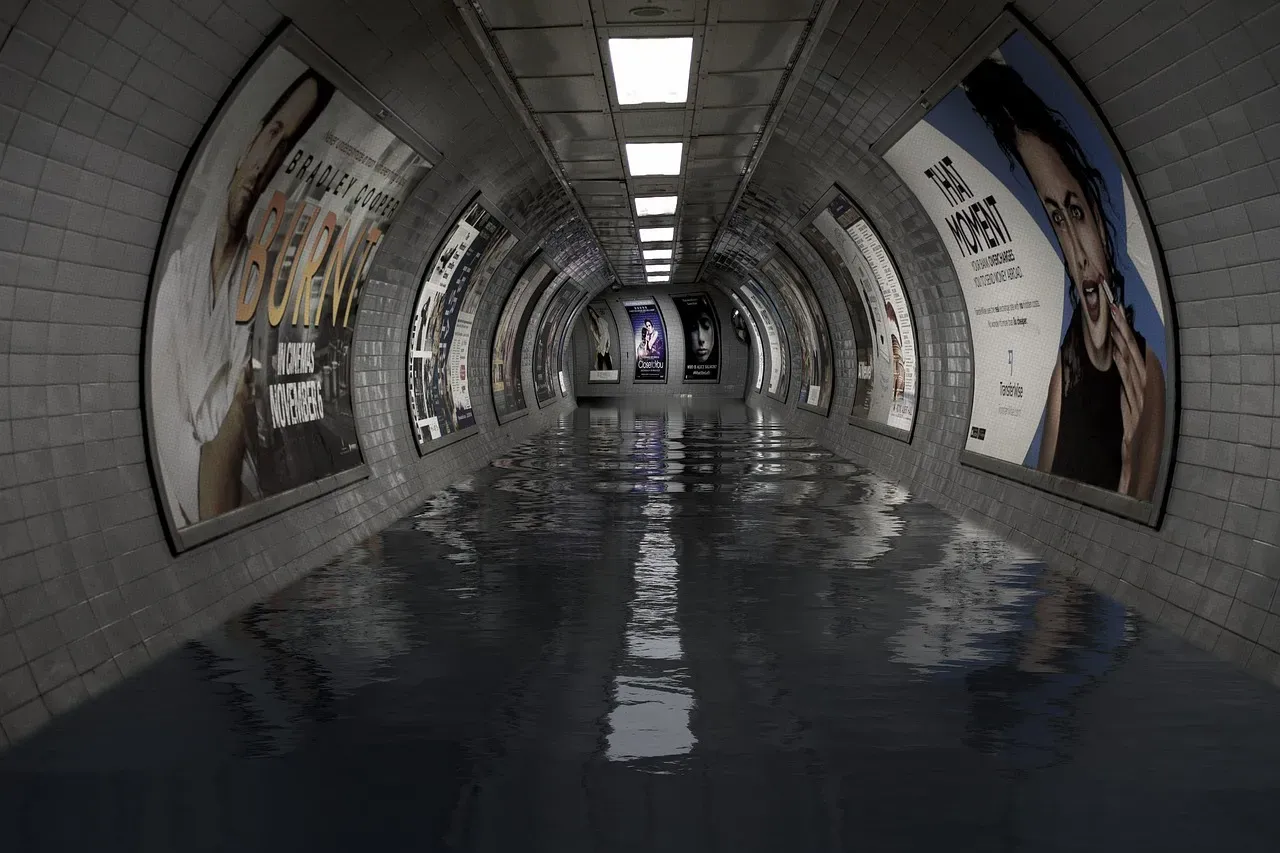
On August 29, 2023, a 127-year-old water main burst near Times Square, flooding the subway with an estimated 1.8 million gallons of water. The pipe, installed in 1896, predated even New York’s subway system. Videos showed water cascading down stairwells and turning track trenches into mini rivers, disrupting service for hundreds of thousands of commuters.
It’s hard to say for sure, but events like this reveal just how precarious our reliance on century-old infrastructure has become. A 2022 report found 40% of New York City’s water mains were installed before 1941, and experts have warned major breaks could become more frequent if old pipes aren’t replaced quickly. The Times Square incident wasn’t an isolated fluke – it was a loud, wet reminder of the clock ticking under every major city.
Stormwater Systems Collapsing Under Extreme Weather
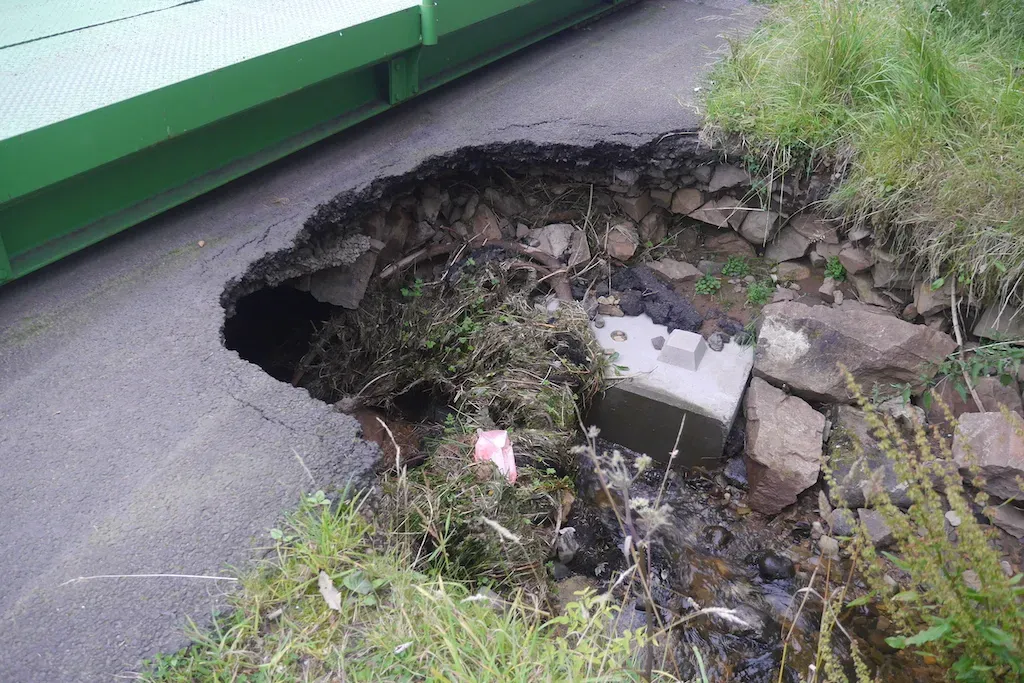
Record-breaking rainfall in spring and summer 2023 stressed Littleton, Colorado’s stormwater infrastructure, causing several aging corrugated metal culverts to collapse beneath city roadways. Sinkholes opened up, vehicles fell through pavement, and emergency crews scrambled to replace failed metal pipes with larger, more durable reinforced structures. The collapses weren’t just about old pipes – they were about outdated designs meeting the new reality of intense, unpredictable storms.
Across the country, stormwater infrastructure is straining. Climate change is amplifying rainfall intensity, overwhelming systems engineered for weather patterns that no longer apply. Aging culverts and drainage pipes, some installed decades ago using materials like corrugated metal, are simply buckling under the pressure. When they fail, the results range from flooded streets to complete roadway collapses, snarling traffic and endangering lives.
The Nation’s Underground Report Card: Still Failing
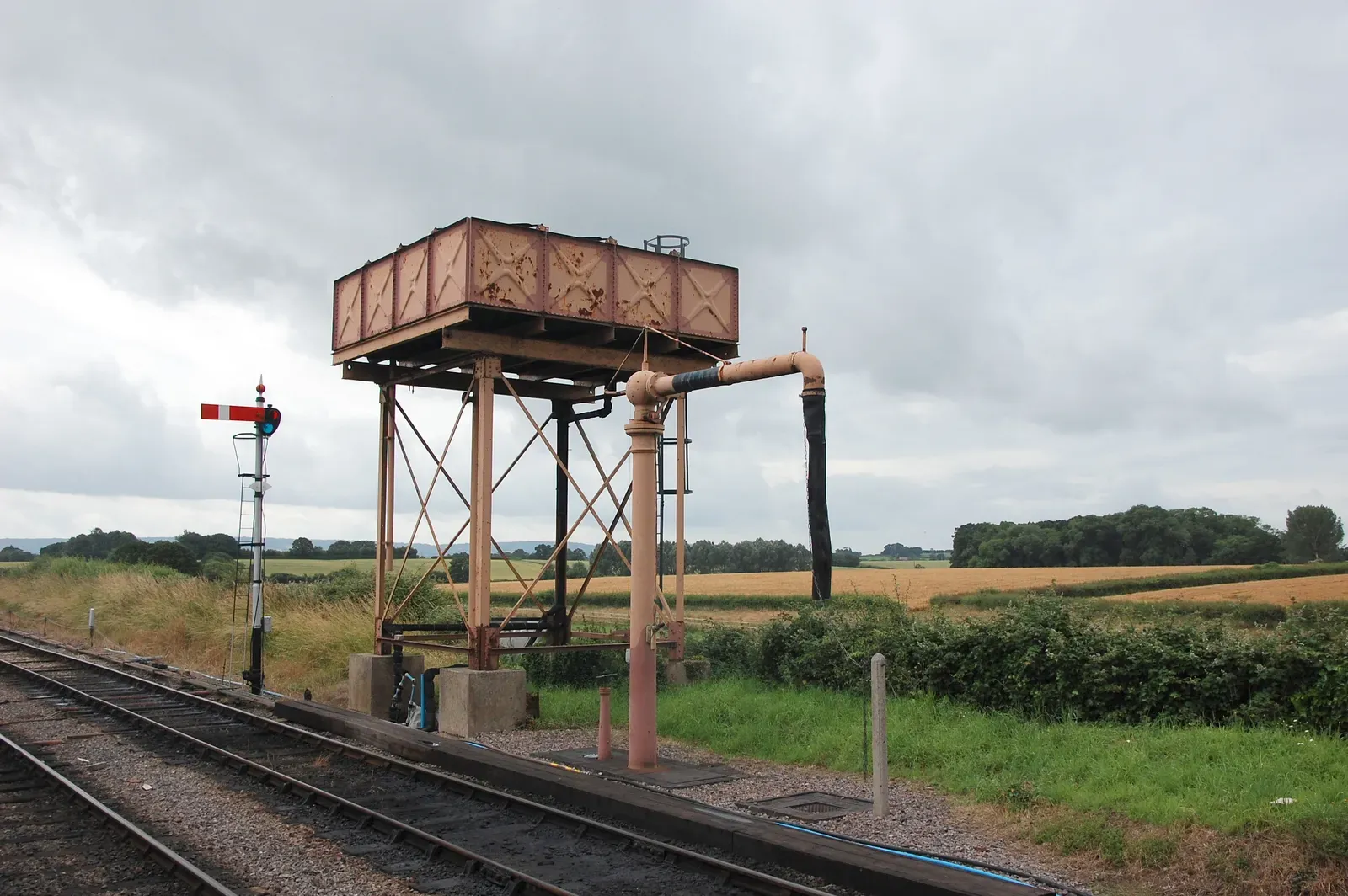
The American Society of Civil Engineers issues a national Infrastructure Report Card every few years, and the underground systems we depend on remain in poor shape. In the ASCE 2025 Report Card, Drinking Water received a C-, Wastewater received a D+, and Stormwater received a D. These letter grades are unchanged from the 2021 report card release, signaling stagnation rather than progress despite billions in federal investment.
Let’s be honest – a D grade for stormwater tied for the lowest score of any infrastructure category nationwide. The common theme in the report card is a critique of “persistent underinvestment”, particularly as critical infrastructure reaches the end of its useful life. Even with recent funding boosts, cities are falling further behind on maintenance and replacement schedules, setting the stage for more failures in the years ahead.
The True Cost: $625 Billion Just for Drinking Water
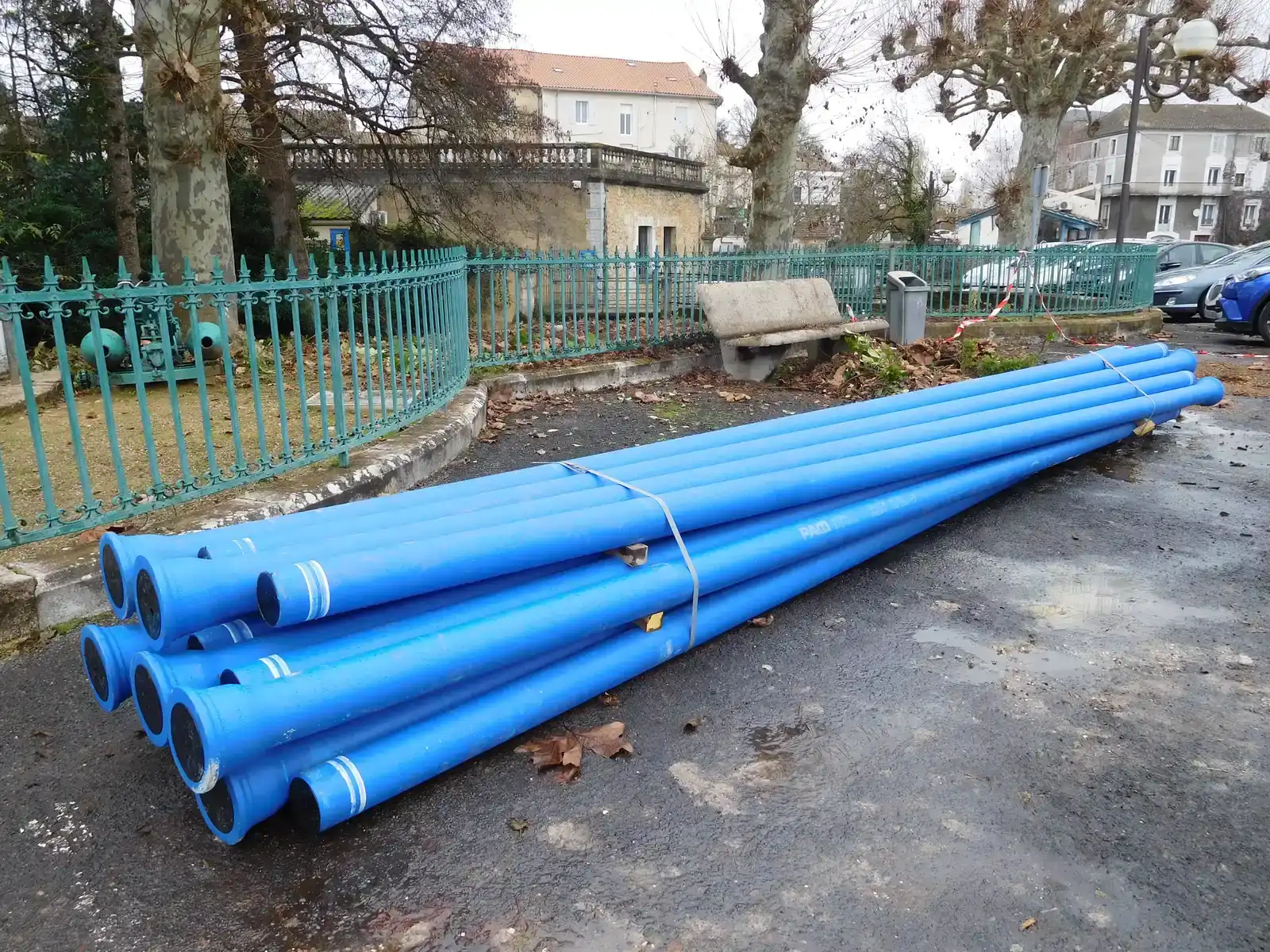
The EPA’s 7th Drinking Water Infrastructure Needs Survey and Assessment determined that drinking water systems will need $625 billion for pipe replacement, treatment plant upgrades, storage tanks, and other key assets over the next 20 years. Distribution and transmission infrastructure accounts for $422.9 billion to replace or rehabilitate aging or deteriorating pipelines and appurtenances. That’s just drinking water – add wastewater and stormwater, and the national price tag climbs past $1.2 trillion.
Honestly, those figures can feel abstract until you consider what they represent. Pipes buried beneath streets, many installed when your grandparents were young, are now leaking, breaking, and threatening public health. Distribution and transmission needs increased from $310 billion to $421 billion, a 36% increase not accounting for inflation, highlighting how quickly the problem is accelerating. Cities can’t keep up, and every year of delay makes the eventual repair bill steeper.
The Hidden Threat of Lead Service Lines
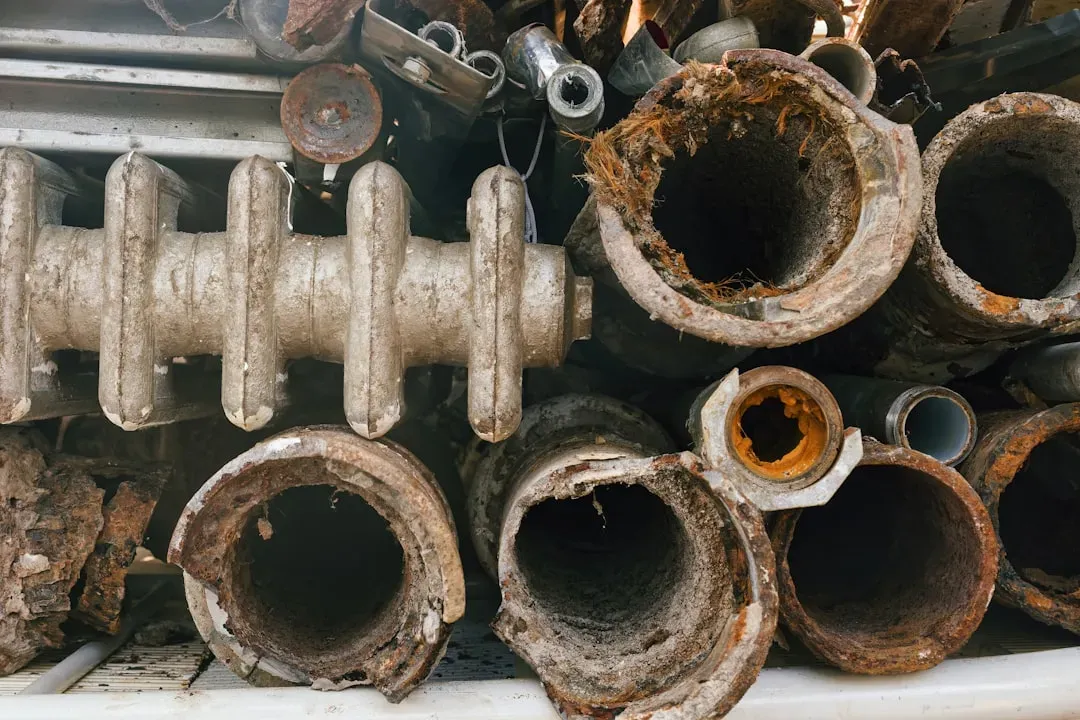
EPA’s 7th Drinking Water Assessment included survey questions focused on lead service lines and is projecting a national total of 9.2 million lead service lines across the country. Lead pipes, once standard in residential water connections, leach a potent neurotoxin directly into drinking water. Children are especially vulnerable, facing risks of cognitive impairment, developmental delays, and lifelong health impacts from even low-level exposure.
Replacing these lines is both urgent and expensive. Federal funding has ramped up in recent years, but challenges remain. An AP investigation in 2024 reported that EPA’s Office of Inspector General found the agency distributed roughly $3 billion to states for lead service line replacement in 2023 using unverified state data, raising concerns about whether money was going where it was needed most. Meanwhile, the pipes remain in the ground, a silent hazard for millions of families.
Funding Gap: Billions Short Every Year
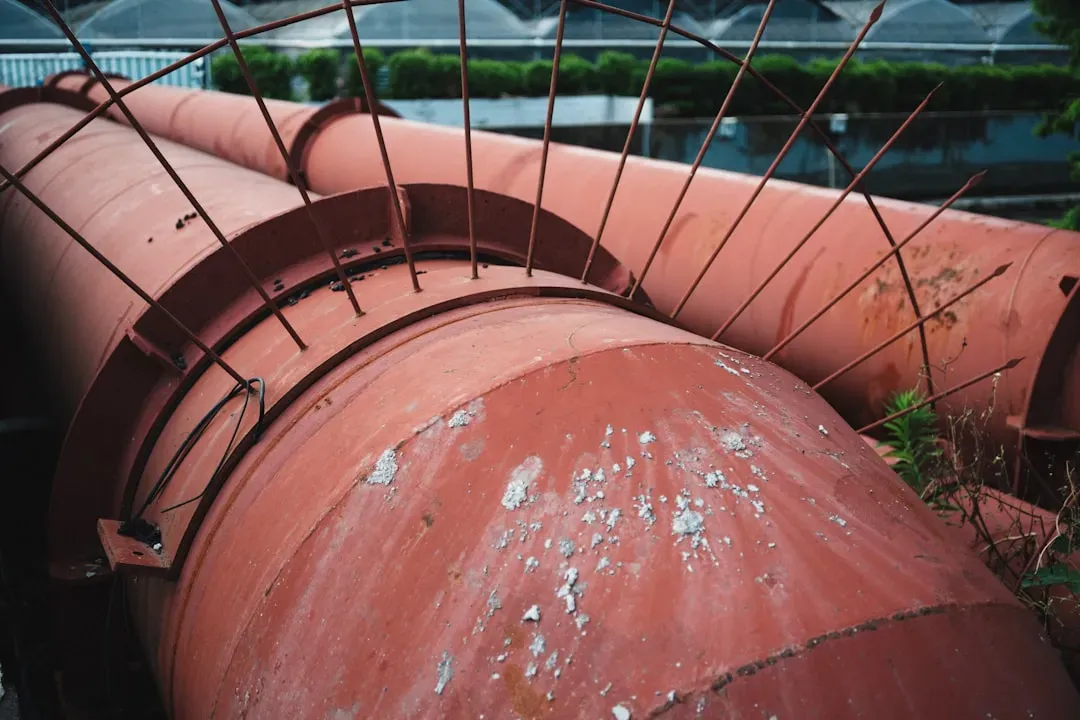
The 2025 ASCE Report Card identifies a major funding gap – of the $99 billion needed annually for wastewater and stormwater, only 30% is currently being met, and if unaddressed, the funding shortfall could balloon to more than $690 billion by 2044. A McKinsey analysis projected the U.S. water utility sector faced about a $110 billion funding gap in 2024, with estimates rising to $194 billion by 2030 if current trends continue. The math is brutal.
Here’s the thing – this isn’t a problem that fixes itself over time. Every year cities underfund maintenance and replacement, the backlog grows. Pipes age past their design life, leaks waste billions of gallons of treated water, and emergency repairs consume budgets that could have been spent on proactive upgrades. It’s a vicious cycle, and one that leaves ratepayers, taxpayers, and utility managers caught in an impossible squeeze.
Climate Risks Multiply the Danger
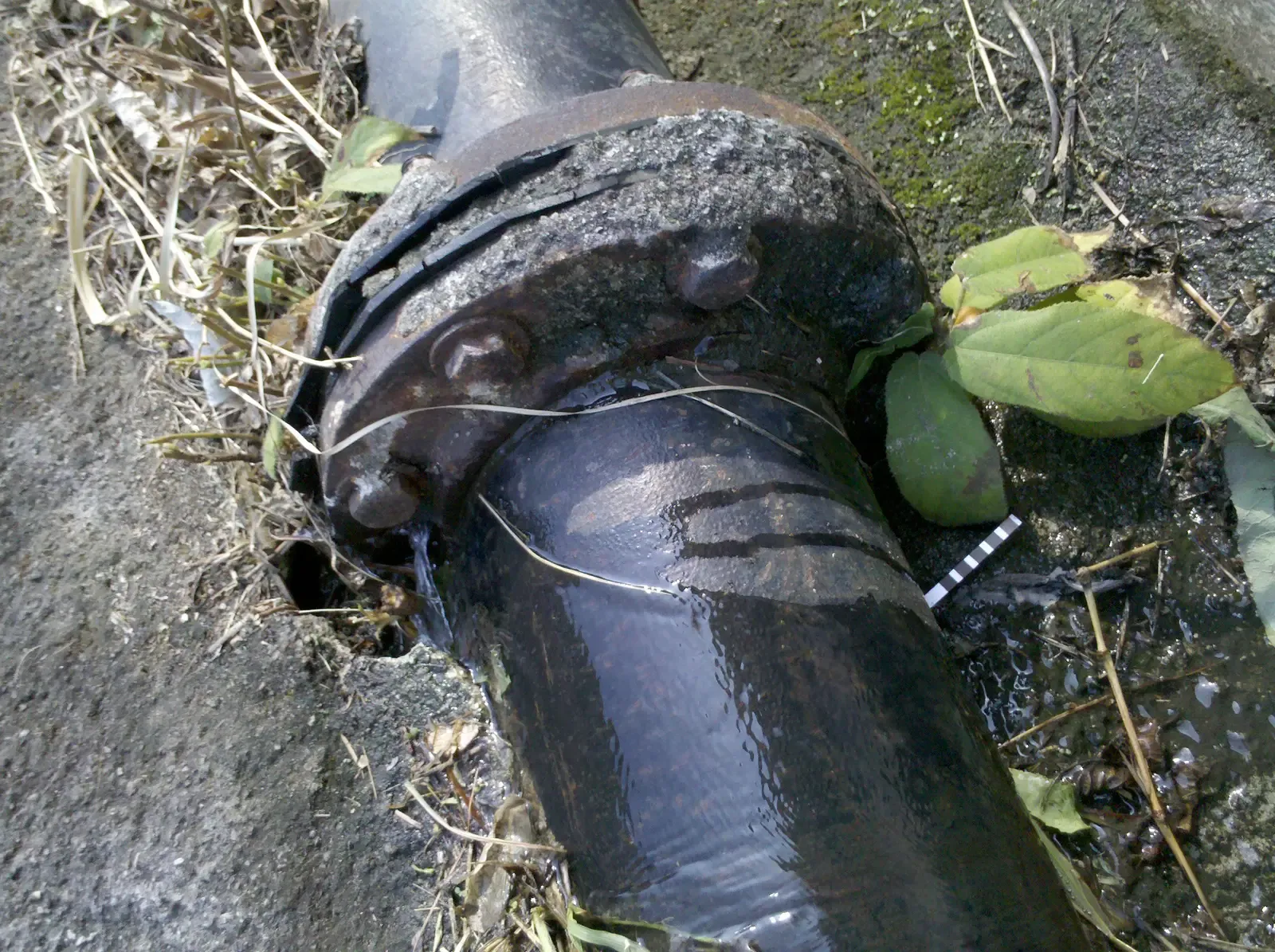
The watershed needs report says climate change will take a toll on aging infrastructure, with short-term risks like hurricanes, floods, tornadoes, and wildfires, and longer-term ones like rising temperatures, droughts, increasing precipitation, and sea-level rise causing broken pipes, overwhelmed stormwater systems, loss of power, and poor water quality. A GAO report published in August 2025 describes how wastewater and drinking-water utilities face growing climate-related risks, noting resilience measures such as reinforcing sewer crossings, relocating assets out of floodplains, and improving backup power.
Aging systems weren’t designed for the extremes we’re seeing now. A pipe that’s already corroded or weakened is far more likely to fail during a flood, heatwave, or freeze event. Cities are realizing they can’t just patch things up – they need to fundamentally rethink how underground infrastructure is built, located, and maintained in a world where “once-in-a-century” storms seem to arrive every few years.
Sewers That Are a Century Old
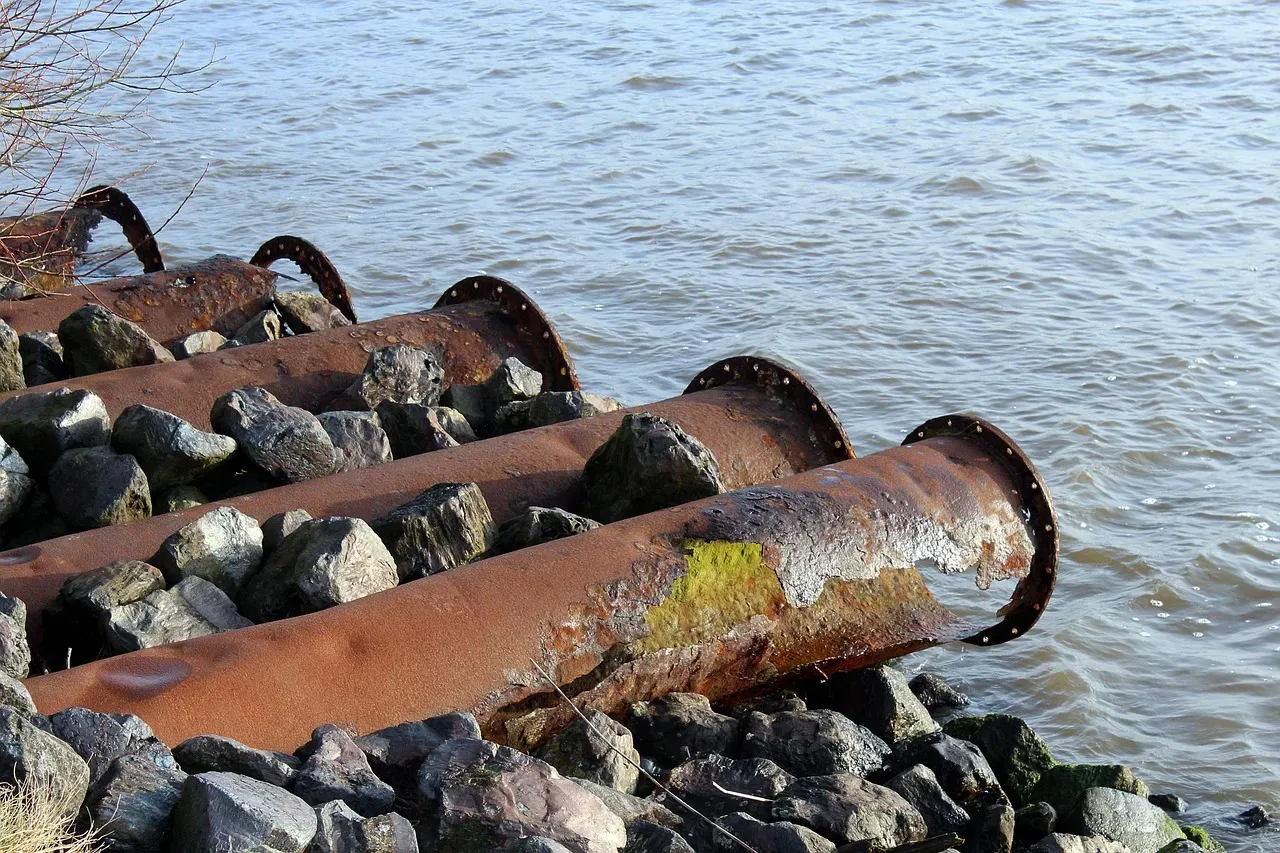
Some U.S. sewer systems date back more than 100 years. Portland’s Bureau of Environmental Services has warned that parts of its wastewater and stormwater system include pipes built a century ago or more, and that failures can cause serious neighborhood impacts and rising repair costs if upgrades lag. Aging sewers don’t just break – they leak, overflow, and back up into basements and streets, posing public health hazards and environmental contamination.
Sewage overflows into rivers and storm drains introduce pathogens, chemicals, and nutrients that degrade water quality and harm ecosystems. When a main line collapses, entire neighborhoods can lose service, forcing emergency rerouting and exposing residents to unsanitary conditions. The longer cities delay replacing these ancient lines, the higher the odds of catastrophic failure during peak demand or heavy rain.
What Cities Are Doing to Reduce Risk
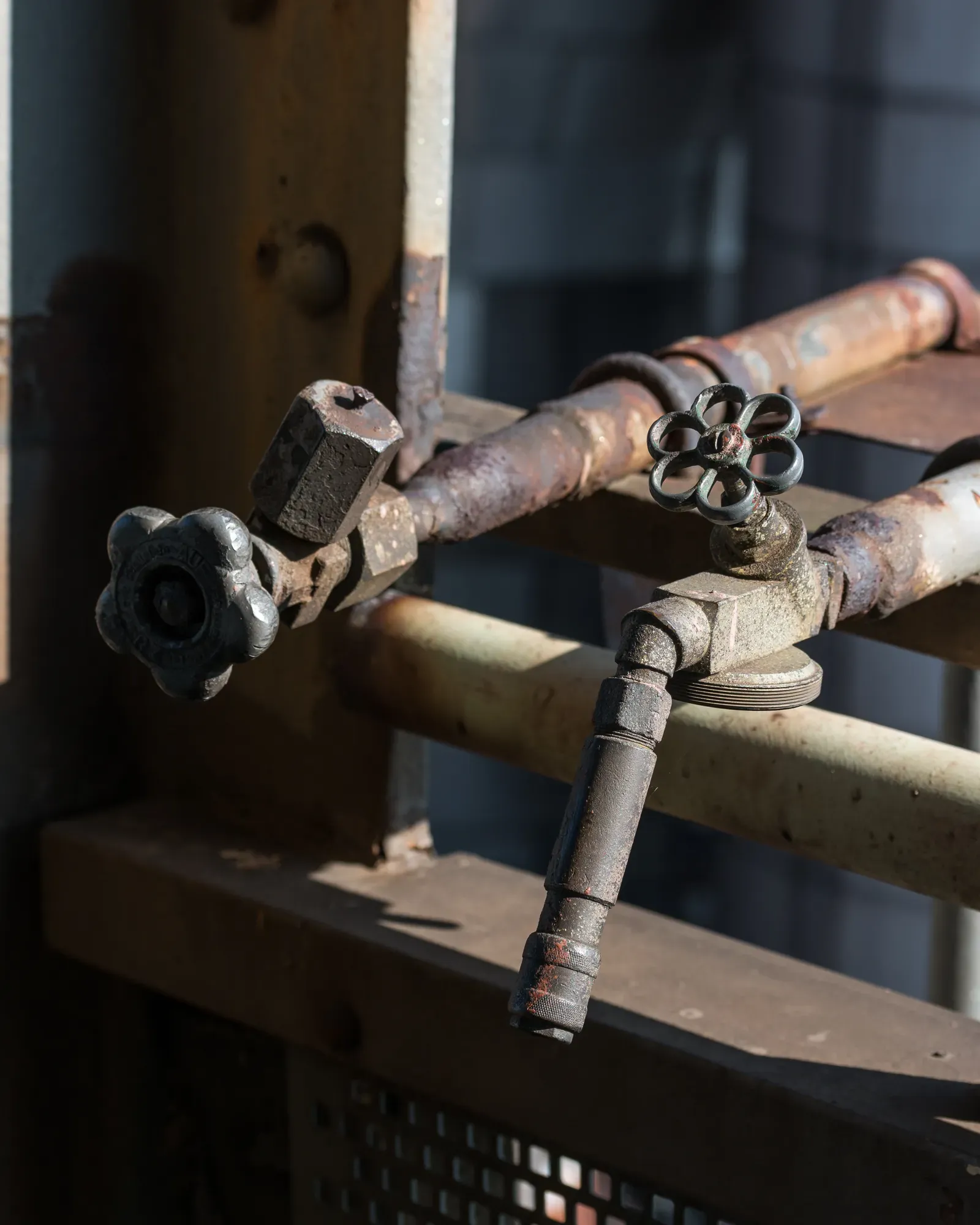
Despite the grim picture, many utilities are taking proactive steps. Asset management programs use data and predictive analytics to identify the highest-risk pipes before they fail. Smart sensors can detect leaks and pressure changes in real time, allowing crews to respond before a small problem becomes a major break. Some cities are prioritizing replacement of the oldest, most vulnerable sections first, focusing limited budgets where they’ll have the greatest impact.
Federal investment through the Infrastructure Investment and Jobs Act has channeled billions into state revolving loan funds, lead line replacement, and emerging contaminant treatment. Cities are also exploring innovative financing, rate adjustments, and partnerships with private firms to stretch dollars further. It’s not enough to close the gap entirely, but it’s a start. Progress is incremental, and the challenge remains daunting, yet the work continues block by block, pipe by pipe.
Conclusion: The Clock Is Ticking Beneath Our Feet
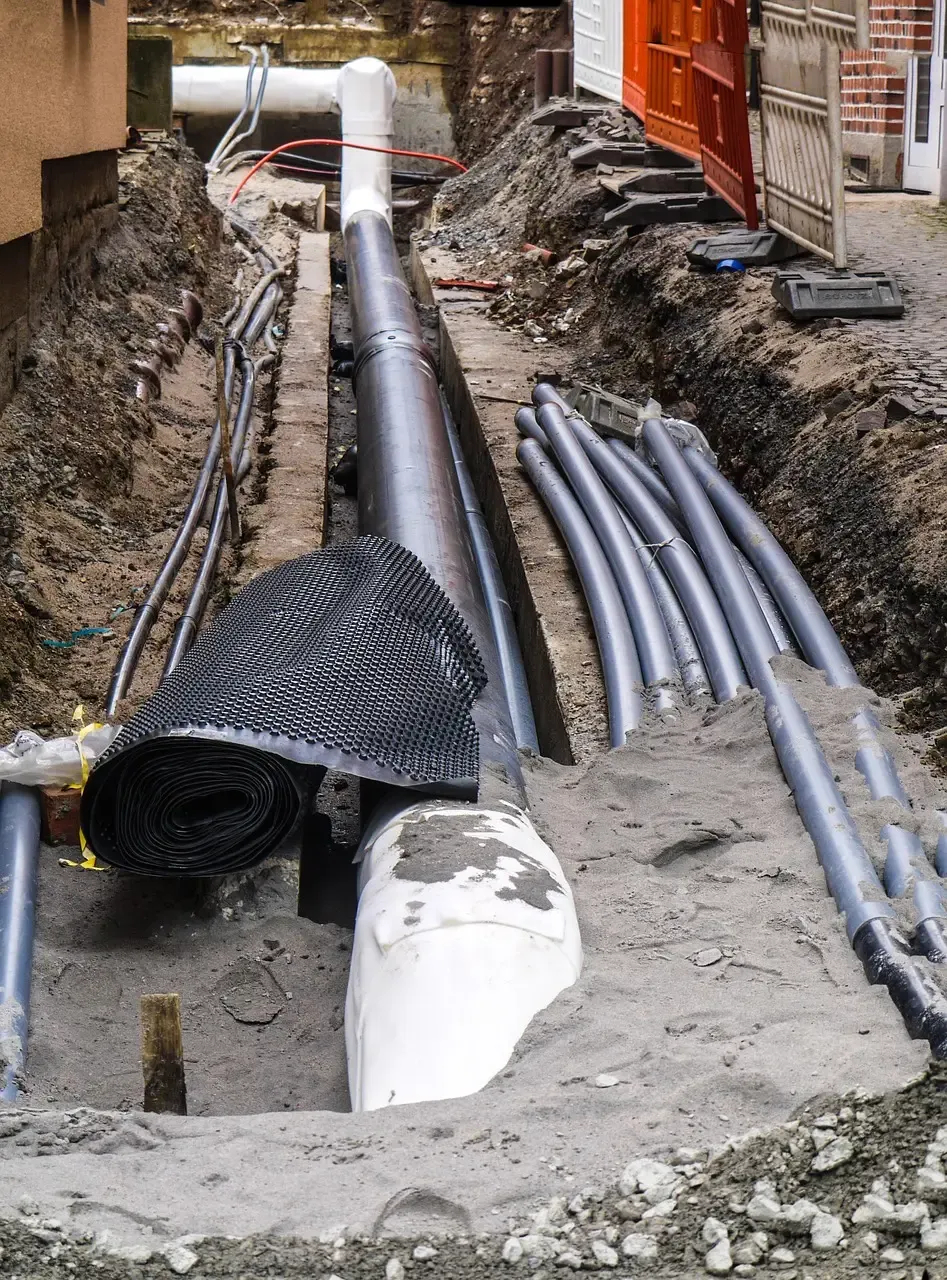
America’s underground infrastructure is quietly reaching a breaking point. Pipes installed generations ago are failing more often, and the cost of inaction grows steeper every year. From flooded subways to lead-contaminated tap water, the are real, measurable, and increasingly difficult to ignore.
The path forward requires sustained investment, smarter planning, and a willingness to prioritize invisible infrastructure that most of us take for granted. The work won’t be easy, and it won’t be cheap. Still, the alternative – continued breakdowns, service disruptions, and public health crises – is far worse. What do you think cities should prioritize first: replacing the oldest pipes, eliminating lead lines, or upgrading for climate resilience? The choice may define the next generation’s quality of life.