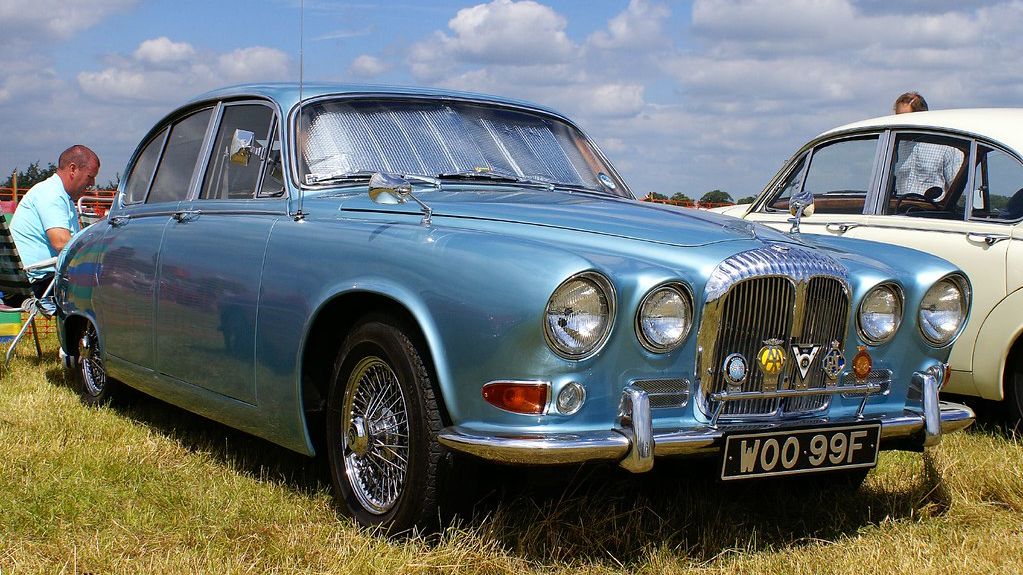

There is something about an old American muscle car that no modern vehicle can replicate. The rumble of a V8, the chrome glinting in the sun, the smell of decades of road history baked into the leather. It is raw, nostalgic, and oddly emotional in a way that a touchscreen dashboard never could be.
What is even more surprising is that this is not just sentimental nostalgia for older generations. Classic cars are drawing serious money, serious enthusiasm, and serious attention from buyers who were not even born when some of these machines rolled off the line. The numbers are real, the trends are accelerating, and the story behind this revival is more fascinating than most people expect. Let’s dive in.
A Multi-Billion Dollar Market That Just Keeps Growing
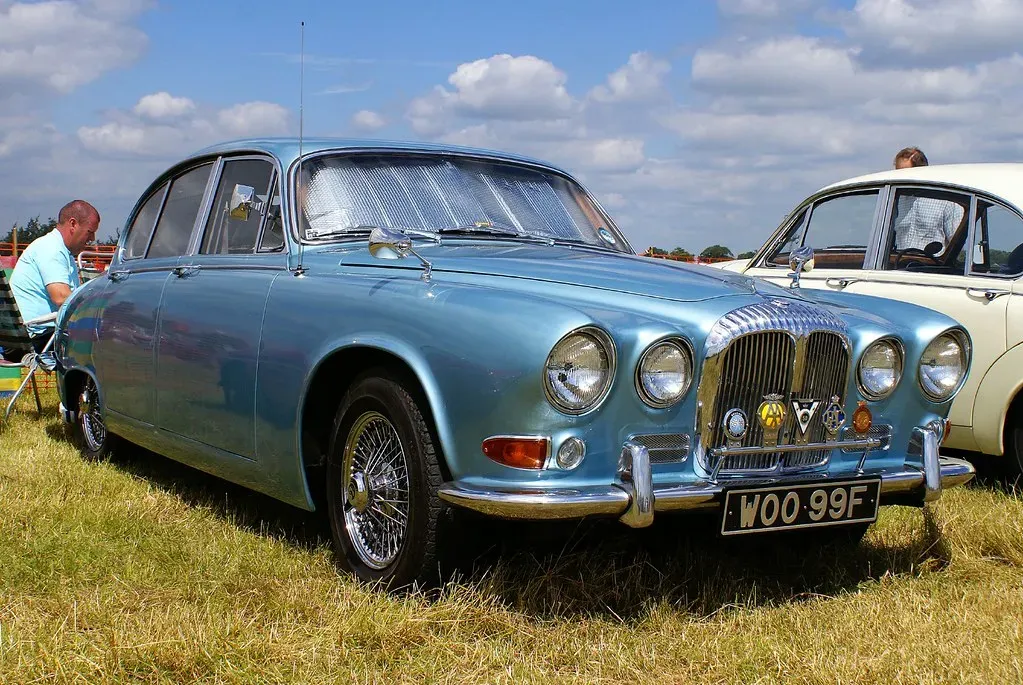
The scale of this industry will genuinely catch you off guard. The global classic car market was valued at roughly $39.7 billion in 2024 and is expected to reach $77.8 billion by 2032, growing at a compound annual growth rate of around 8.7 percent. Think about that for a second. That is nearly doubling in less than a decade.
The market’s momentum is driven by rising disposable incomes, increasing interest in collectible assets, and a deep cultural affinity for vintage automobiles. Collectors and enthusiasts seek classic models for both their emotional value and long-term investment potential. It is not just a hobby anymore. For many buyers, it is a genuinely smart financial move.
North America leads the world with a large base of collectors supported by frequent auctions, restoration hubs, and the intense cultural significance attached to vintage vehicles. The United States, unsurprisingly, sits at the very center of it all.
The U.S. Market Is on a Remarkable Upward Trajectory
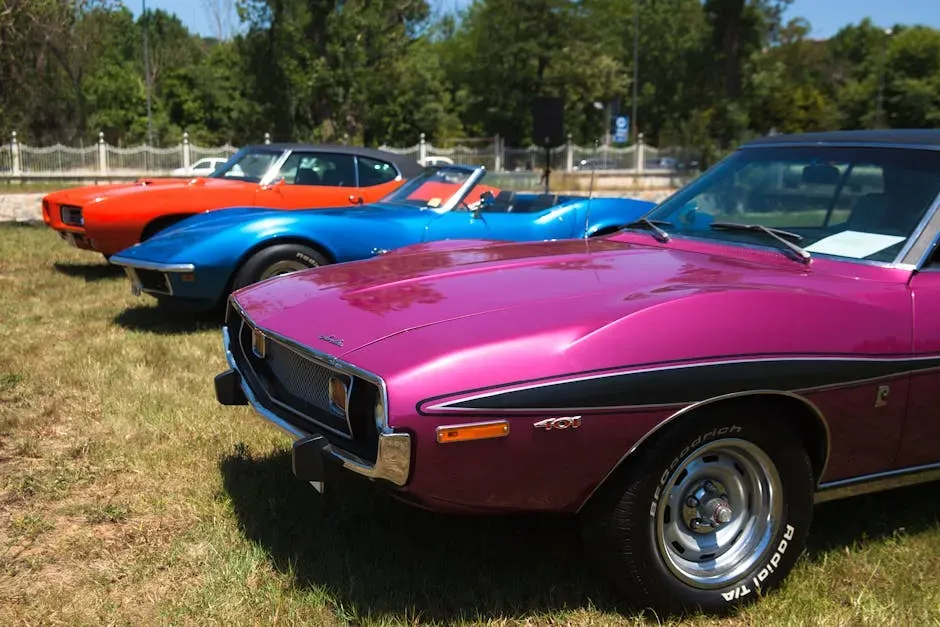
The U.S. classic car market grew from roughly $7.2 billion in 2018 to $12.6 billion in 2024, and analysts project it will reach nearly $26 billion by 2032, expanding at a rate of close to 8.82 percent annually. That kind of sustained, compounding growth is rare in any consumer market.
The South and West regions of the U.S. lead with roughly a combined 48 percent share of the market, due largely to favorable climate and strong collector density, followed by the Northeast at around 28 percent driven by high-income buyers. Sun, warmth, and no winter rust. It makes perfect sense.
Barrett-Jackson Auctions: Where the Money Gets Real
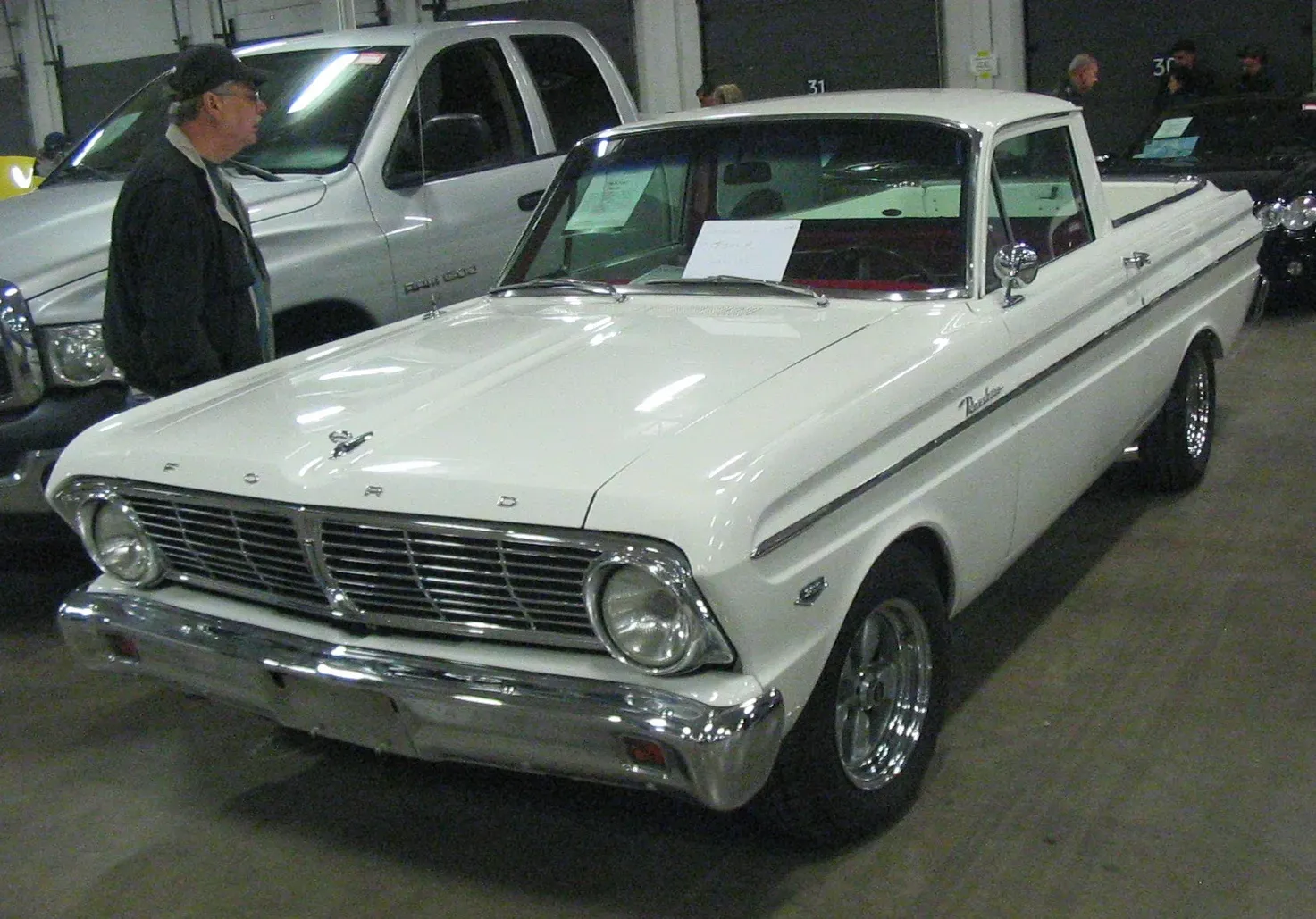
If you want to see just how serious classic car demand has gotten, look no further than auction results. Barrett-Jackson’s 2024 Scottsdale auction featured its largest docket in company history, with over 2,000 collectible vehicles selling for $200.9 million in auction sales alone, bringing total sales to $207.6 million – the most for a single auction in Barrett-Jackson history – with a 100 percent sell-through rate and over 190 world-record sales.
That is not an outlier either. In 2023, Barrett-Jackson earned $184.2 million from selling nearly 1,907 vehicles at its Scottsdale event. Year after year, the floors fill up, the paddles go up, and the records keep falling. The United States dominates with strong demand from private collectors, vintage car clubs, and high-profile auction events like Barrett-Jackson and Mecum.
America’s Most Iconic Models Lead the Pack
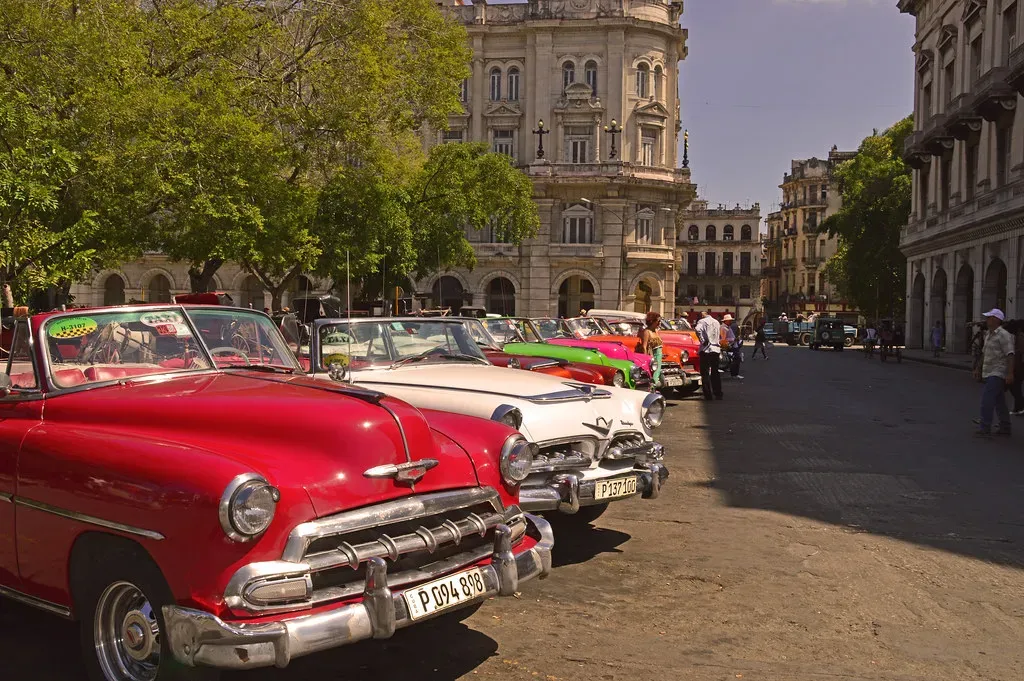
Honestly, it should surprise no one which cars are driving the most excitement. Wealthy collectors continue to drive premium valuations for rare models, particularly American muscle cars like the Ford Mustang and Chevrolet Camaro. These are not just cars – they are cultural artifacts with a mythology all their own.
Muscle cars hold the largest share in the collector segment, reflecting strong buyer demand for performance heritage and broad availability across multiple decades. At Barrett-Jackson’s fall 2024 event, for instance, a 1969 Ford Mustang Boss 429 crossed the block for $462,000, while a 1968 Ford Mustang Eleanor Tribute Edition sold for $451,000. These are not dusty relics. They are trophies.
Gen Z Is Falling in Love With Classic Cars

Here is where things get genuinely fascinating. Conventional wisdom would suggest that younger generations, raised on ride-sharing apps and electric vehicles, would have little interest in old machines with carburetors. The data tells a completely different story.
Hagerty’s 2024 “Future of Driving” survey found a strong and growing interest in collector cars among Gen Z. While nearly half of all respondents expressed interest in owning a classic car, Gen Z expressed significantly greater interest at 60 percent, compared to just 31 percent of Baby Boomers. That gap is enormous and worth sitting with for a moment.
Gen Z combined with Millennials now represent over a quarter of the entire collector car market. The demographics of the classic car hobby continue to shift each year, and Gen Z, defined as those born after 1996, now hold a nearly 10 percent share of insurance quotes with Hagerty. The next generation has arrived, and they are buying.
The Generational Shift Is Reshaping What Gets Collected
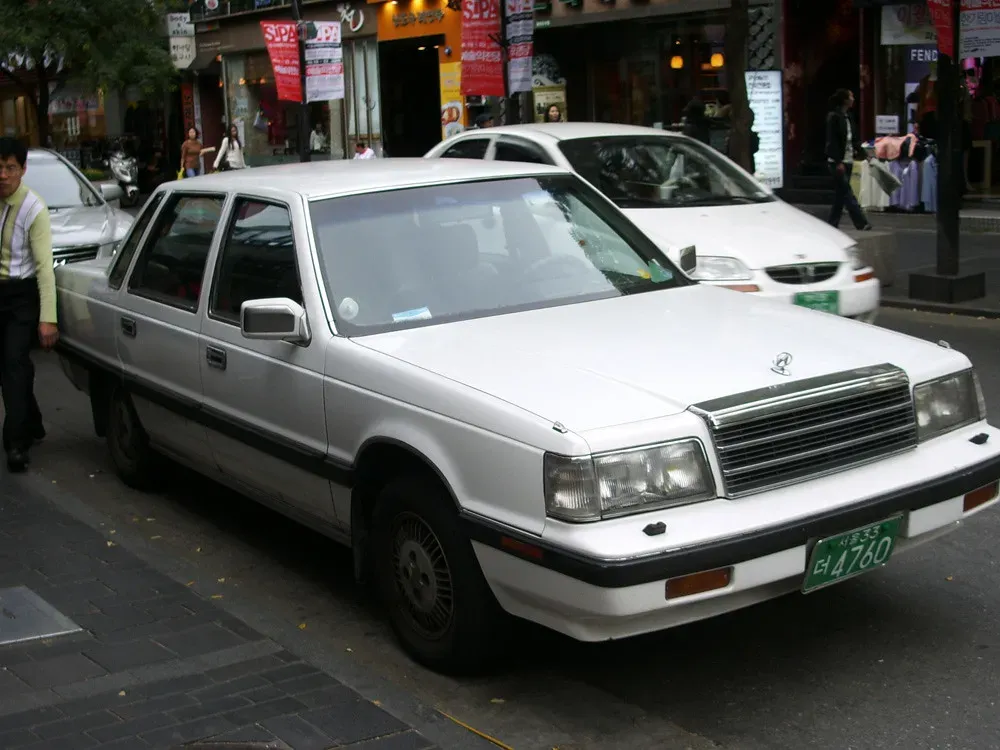
Here is the thing about generational turnover – it does not just bring new buyers, it changes which cars become desirable. Cars from the 1980s and 1990s are in high demand today. Hagerty developed a tracking program called the RADIndex specifically to follow these modern classics, and it increased by 2 percent in early 2025, reflecting growing demand.
The average model year on Hagerty’s 2025 Bull Market List is 2001, while the average model years on the 2023 and 2024 lists were a decade older, at 1989 and 1991 respectively. That is a clear, measurable shift in taste. According to Hagerty demographic data, the most common car that Gen Z enthusiasts inquire about for insurance coverage are Mazda Miatas from 1990 to 1998, while Millennials are most interested in the GMT400 Series trucks from 1988 to 2000. A bit unexpected, honestly, but the data is the data.
Online Auctions Have Changed the Game Entirely
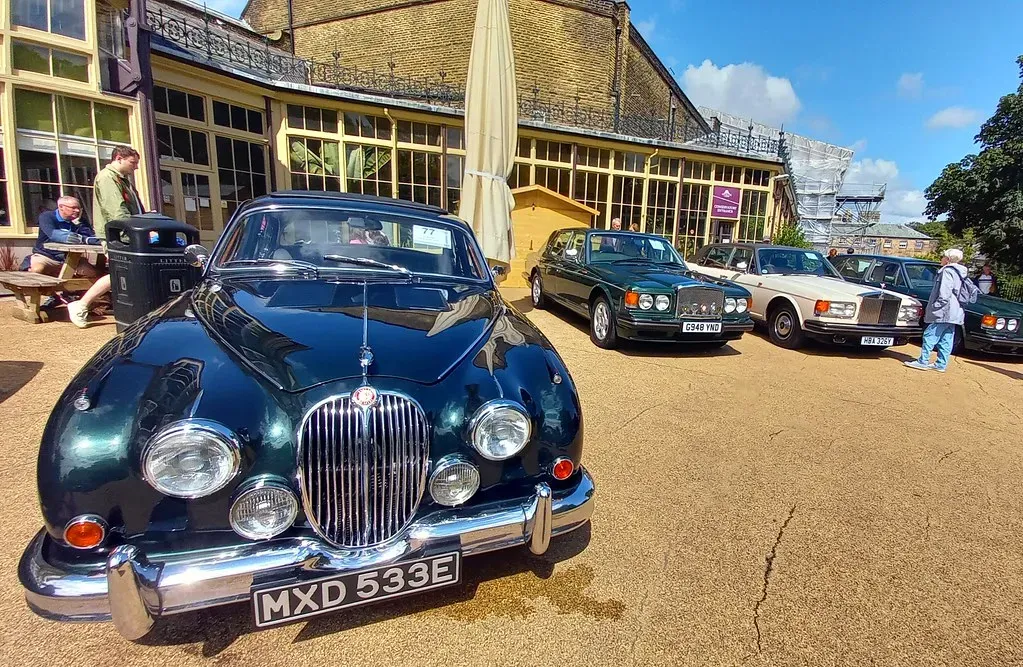
Online auctions had already gained significant traction in previous years, and 2024 marked the first year where the number of cars offered online more than doubled that of live auctions. The internet has democratized access to the collector car market in a way that nobody anticipated a decade ago.
While online auctions narrowly beat live auctions in total sales in 2024, they pulled even further ahead in 2025 and doubled their lead. Online auctions are now selling over 50,000 collector vehicles per year, up 6 percent since the previous year, while live auctions saw flat volume at around 21,000 vehicles sold. That is a seismic structural shift in how America buys and sells classic cars.
The Restomod Revolution: Old Bones, New Heart
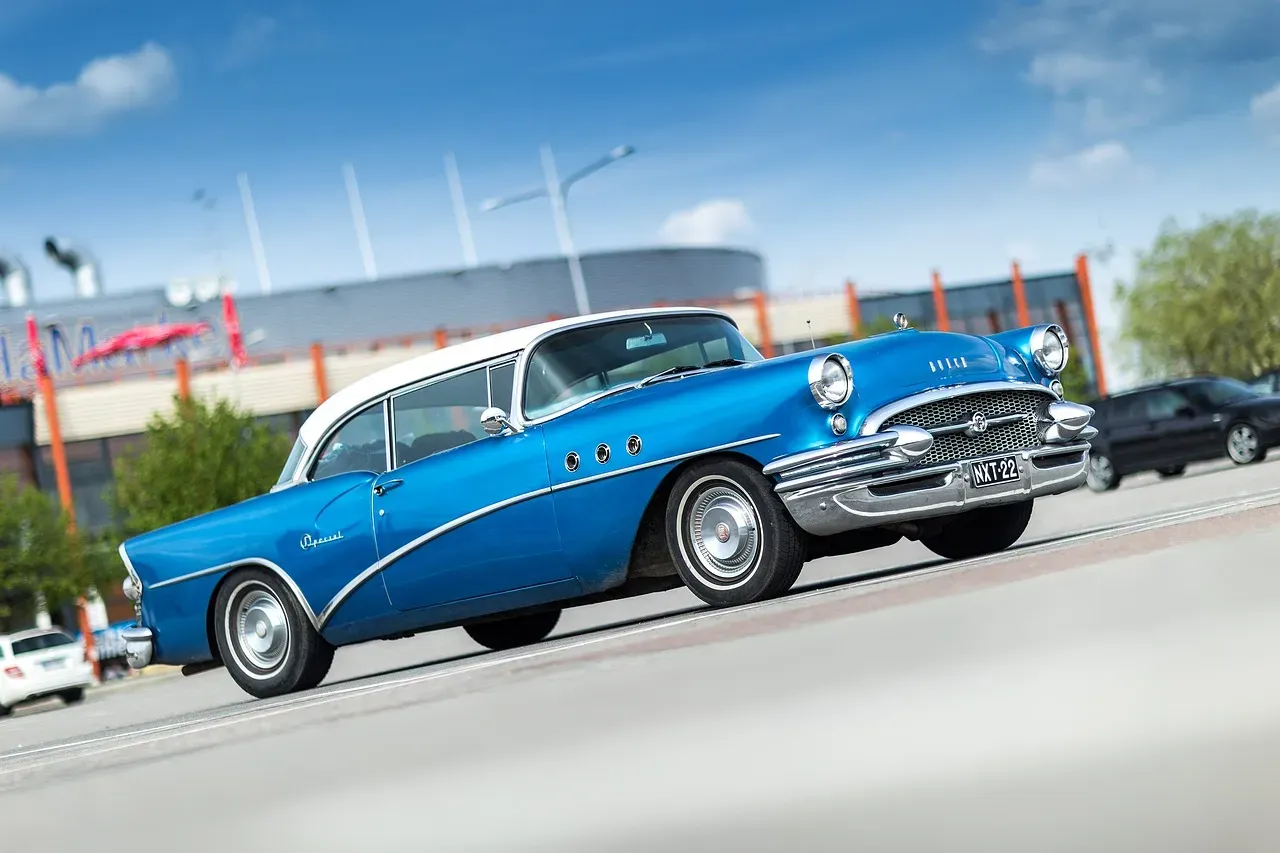
One of the most exciting developments in classic car culture is the restomod movement. Think of it like this: you take the gorgeous shell of a 1967 Chevrolet Corvette and rebuild it around modern suspension, brakes, and performance components. You get the looks people love without the driving dynamics that people tolerate.
Younger owners are typically more willing to swap in modern comfort and performance parts rather than keeping everything stock, creating a strong restomod sentiment that combines a vintage car’s classic design with modern technology. Classic vehicles remain highly attractive platforms for modification and restoration, with around 12 million pre-1990 classics currently on U.S. roads and the industry generating roughly $2.4 billion in annual sales. This category has recently experienced a significant uptick in demand from Millennial customers, with restomods and vintage SUVs like Ford Broncos increasingly coveted by younger consumers.
Electric Conversions: Where Nostalgia Meets Sustainability

I know it sounds crazy, but some of the most passionate classic car enthusiasts are now putting electric motors into their vintage machines. It is a trend that would have seemed like heresy just ten years ago, yet it is gaining real momentum across the industry.
At the 2023 SEMA Show, over 60 electric-swapped vehicles were on display, ranging from Jaguar E-Types and Porsche 911s to American classics such as Ford F-100s and Chevy Camaros, all converted to run on electric power. Opportunities in the expansion of electric classic car conversions are tapping into a growing eco-conscious consumer base without asking enthusiasts to sacrifice the cars they love. It is a clever middle ground – the shape of the past with the drivetrain of the future.
In December 2023, Lunaz Design unveiled an electrified version of the iconic Rolls-Royce Phantom V, featuring a bespoke electric powertrain and cutting-edge battery technology restored to original standards, providing zero-emission luxury driving while combining timeless elegance with modern sustainability. If that can happen to a Rolls-Royce Phantom, it can happen to anything.
The Aftermarket Industry Fuels the Entire Ecosystem
Behind every restored Mustang and restomod Camaro is a massive industrial infrastructure that makes it all possible. According to SEMA’s 2025 market report, U.S. consumers spent an estimated $52.65 billion modifying and upgrading their vehicles in 2024, a figure that underscores the resilience and cultural staying power of car customization in the United States.
According to SEMA’s Spring 2024 State of the Industry Report, 36 percent of retailers identify restoration and classic cars as a high-opportunity segment for growth. Vehicles from model year 1989 or earlier now officially fall into the “classic” category within SEMA’s analysis, marking a generational shift in collector taste. Many of these cars, including models from the 1980s and 1990s, are now the stars of exhibitions and a source of parts coveted for their emotional value. The entire supply chain is realigning itself around this cultural moment.
Conclusion: This Comeback Is Only Getting Started
Classic cars in America are not simply surviving. They are thriving in ways that defy easy explanation. The market is larger than ever, the buyers are younger than ever, and the creativity around restoration and conversion is richer than at any previous point in history.
What makes this story genuinely compelling is that it is not driven by one demographic or one trend. It is a convergence – nostalgia from older collectors, fresh enthusiasm from Gen Z buyers, digital platforms opening the market to anyone with a Wi-Fi connection, and creative builders blending old aesthetics with new technology. Halfway through 2025, the collector car market is settling into a new normal. Gone are the uncertain adjustments of earlier years, when reality checked the highest of valuations. Today, the market is more stable, more predictable, and ultimately more sustainable.
There is something almost poetic about a generation that grew up scrolling through Instagram falling in love with a machine built before their parents were born. What would you have guessed – that the future of classic cars would be led by people under thirty? Tell us what you think in the comments.